

Lexus LX570 (2013-2021) Engine Coolant Temperature Sensor Replacement Guide
Learn to identify failure symptoms and choose the right replacement sensor for your LX570's 5.7L V8 engine.
- A faulty ECT sensor commonly triggers codes like P0128, P0115, or P0118 and can cause poor fuel economy.
- For best results on a Lexus, choose an OEM-equivalent aftermarket brand like Denso, which is often the original parts supplier.
- Replacement is a simple DIY job for most owners, requiring basic hand tools and taking less than an hour.
- Do not ignore the symptoms; a bad sensor can lead to poor performance and, in rare cases, engine overheating.
Understanding the Engine Coolant Temperature Sensor
The engine coolant temperature (ECT) sensor in your 2013-2021 Lexus LX570 is a vital component that ensures your 5.7L 3UR-FE engine runs efficiently. It acts like a thermometer, telling the engine's computer how hot or cold the engine is. This data affects everything from a cold start idle to performance under heavy load. When it fails, it can cause a range of confusing problems, but it's a straightforward part to diagnose and replace.
Common Failure Symptoms
A failing ECT sensor can mimic other engine problems. Here are the most common signs to watch for:
- Check Engine Light: This is the most common symptom. The ECU will detect a reading that is out of the expected range and trigger a light on your dashboard.
- Poor Fuel Economy: If the sensor incorrectly tells the ECU the engine is cold, the computer will enrich the fuel mixture, causing you to use more gas than necessary.
- Erratic Temperature Gauge: The temperature gauge on your instrument cluster may stop working, read cold even after the engine has warmed up, or fluctuate wildly.
- Black Smoke from Exhaust: In severe cases, a very rich fuel mixture caused by a bad sensor can result in partially burned fuel exiting the exhaust as black smoke.
- Engine Overheating: If the sensor fails to report that the engine is hot, the cooling fans may not turn on when needed, leading to potential overheating.
Choosing the Right Aftermarket Sensor
For a precision vehicle like the LX570, the quality of electronic sensors matters. Sending incorrect data to the ECU can hurt performance and fuel economy. Aftermarket brands can be grouped into tiers:
Tier 1 - OEM-Equivalent: Brands like Denso and NGK/NTK are highly recommended. Denso is a known original equipment manufacturer for Toyota and Lexus, so a Denso aftermarket part is often the exact same quality as the part from the dealership, just without the Lexus box. These offer the best fit and performance for peace of mind.
Tier 2 - Quality Aftermarket: Brands such as Delphi, Standard Ignition (SMP), and Beck Arnley have a solid reputation for producing reliable sensors that meet or exceed OEM specifications. They are a dependable choice if an OEM-equivalent is not available.
Tier 3 - Budget-Friendly: Brands like URO Parts, Facet, and other store-specific brands are the most affordable. While they will function, their long-term reliability and the precision of their temperature readings may not match higher-tier brands. They can be a solution if budget is the primary concern.
Cost of Replacing the ECT Sensor
| Part Type | Price Range |
|---|---|
| New OEM (Dealer) | $70 - $98 |
| New Aftermarket | $13 - $83 |
| Shop Labor | $100 - $150 |
Frequently Asked Questions (FAQ)
Where is the ECT sensor located on the 2013-2021 Lexus LX570?
The engine coolant temperature sensor on the 5.7L (3UR-FE) V8 engine is typically screwed into a coolant passage on the engine block, often near the thermostat housing at the front of the engine. You will need to remove the plastic engine cover to see it.
Can a bad ECT sensor cause my LX570 to overheat?
Yes, it is possible. If the sensor fails in a way that it doesn't report a high temperature to the ECU, the electric cooling fans may not activate when you are in slow-moving traffic, which can cause the engine to overheat.
Do I have to drain all the coolant to replace the sensor?
No, you do not need to drain all the coolant. If you are quick, you will only lose a small amount of coolant when swapping the sensor. However, to minimize coolant loss, you can siphon a small amount from the radiator or coolant reservoir before starting. Always have some new, compatible coolant on hand to top off the system afterward.
What is the difference between OEM and aftermarket sensors for my Lexus?
An OEM sensor comes from Lexus and is guaranteed to fit and perform correctly. A quality aftermarket sensor from a brand like Denso is often the same part made in the same factory, just sold in a different box at a lower price. Lower-cost aftermarket sensors may have wider tolerances, potentially affecting the accuracy of the temperature reading sent to your vehicle's computer.
Technical Specifications
OEM Part Numbers: 89422-33030 89422-20010
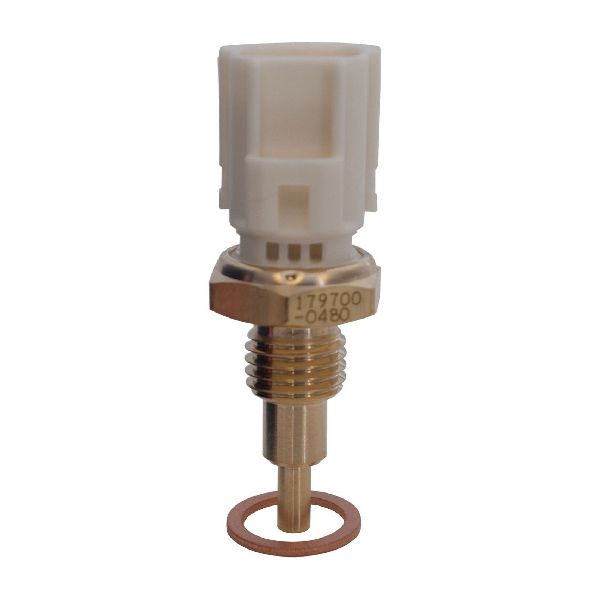
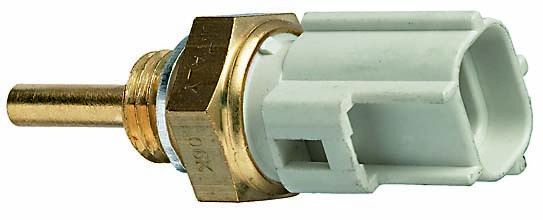
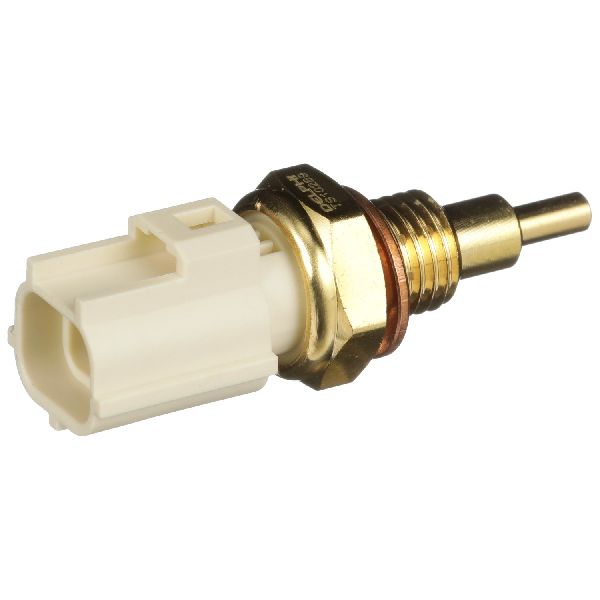
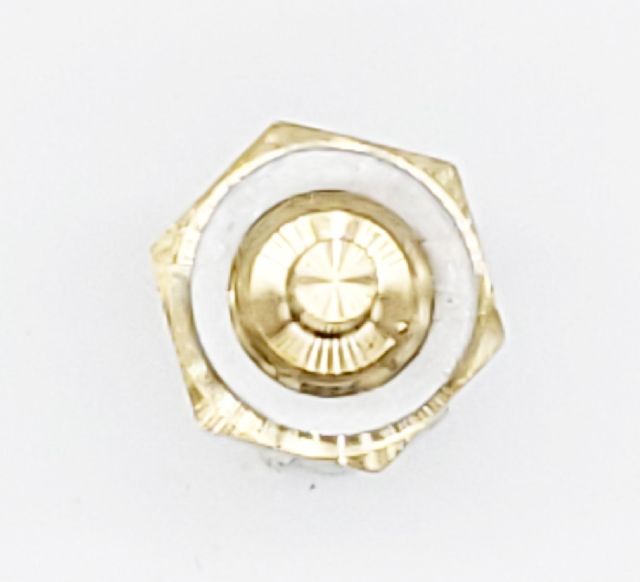
The sensor is a 2-pin thermistor with a threaded body that screws into an engine coolant passage.
We Have This Part in Stock


The information in this article is provided for general reference and educational purposes only. Vehicle specifications, procedures, and part compatibility can vary by production date, trim level, and region. Always consult your vehicle's factory service manual and verify part numbers before purchasing or performing repairs. Safety-critical components such as airbags, seat belts, and braking systems should be installed by a qualified professional.
- Lexus LX570: