

A Guide to Replacing Oxygen Sensors on Your 2013-2021 Lexus LX570
Keep your LX570's 5.7L V8 running efficiently and avoid costly repairs by understanding its oxygen sensors.
- Your LX570 has four oxygen sensors; two upstream (Air/Fuel) and two downstream.
- Denso is the Original Equipment Manufacturer (OEM) and the most recommended brand for replacement.
- A bad sensor will cause a check engine light, poor fuel economy, and can damage your catalytic converters if ignored.
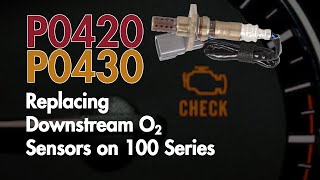
- A combination of warning lights (Check Engine, VSC, 4-Lo) often points to a failed oxygen sensor.
Understanding Oxygen Sensor Failure in the LX570
When an oxygen sensor in your LX570 begins to fail, it sends incorrect information to the engine's computer. This usually triggers the Check Engine Light and may be accompanied by other warnings like the VSC or flashing 4-Lo lights. You might notice your fuel economy getting worse, a rough idle, or a slight hesitation when you accelerate. Ignoring a bad sensor can lead to a damaged catalytic converter, a repair that is significantly more expensive than replacing the sensor itself.
Choosing the Right Aftermarket Oxygen Sensor
For a vehicle like the LX570, the quality of replacement parts matters. While many brands are available, they don't all offer the same reliability. It's crucial to choose a sensor that communicates correctly with the Lexus engine computer.
Pro Tip: OEM Supplier is Best
Toyota/Lexus uses Denso as the original equipment manufacturer (OEM) for their oxygen sensors. For a guaranteed fit and proper function, choosing a Denso aftermarket sensor is the safest and most recommended option. NGK/NTK is another top-tier OEM supplier known for its quality and is also an excellent choice.
- Tier 1 (OEM Equivalent): Denso, NGK/NTK. These brands are the original suppliers to Lexus. They provide the same performance and reliability as the part you would get from a Lexus dealership, but often at a lower cost. Using these brands ensures perfect compatibility.
- Tier 2 (Reputable Aftermarket): Bosch, Delphi. These are large, well-known manufacturers that produce quality sensors. While generally reliable, some Lexus specialists and owners prefer to stick with the original Japanese brands (Denso, NGK) to avoid any potential compatibility quirks.
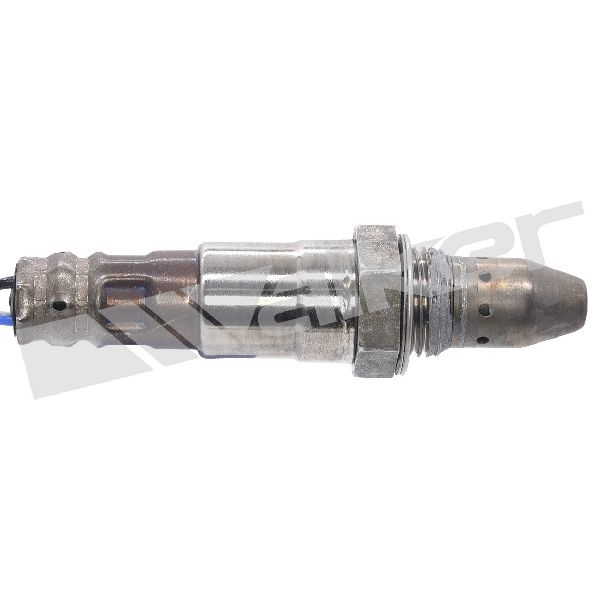
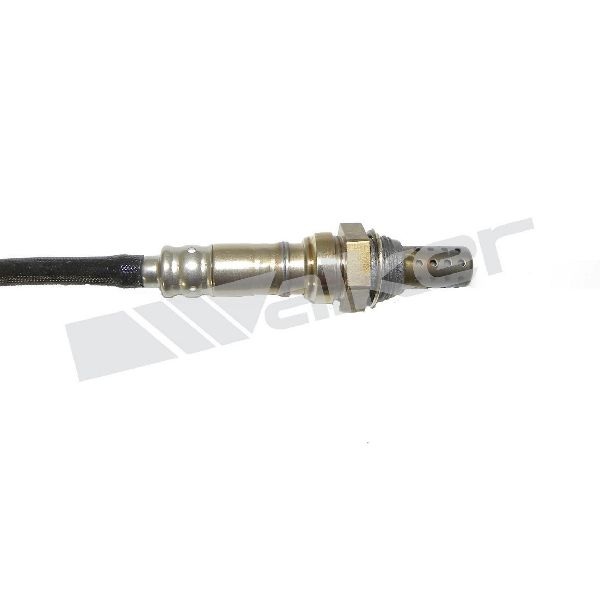
- Tier 3 (Budget): Walker Products, Spectra, DriveWire. These brands offer a more affordable price point. However, some forum users report that budget sensors can have a shorter lifespan or cause intermittent issues, leading to more diagnostic work later. For a precision vehicle like the LX570, using budget sensors is often not worth the initial savings.
Common Ordering Mistakes
Your LX570 has four sensors in specific locations. Ordering the wrong one is a common mistake. The V8 engine has two sides (banks) and two sensor positions (upstream/downstream).
- Bank 1 is the Driver's Side.
- Bank 2 is the Passenger's Side.
- Sensor 1 is Upstream (before the catalytic converter), also called an Air/Fuel Ratio Sensor.
- Sensor 2 is Downstream (after the catalytic converter).
Always double-check the trouble code and part description to ensure you are ordering the correct sensor for the correct location.
🎬 Watch: Identify Bank 1 and Bank 2 sensor locations on your V8.Known Issues: No Recalls, But Seized Sensors Are Common
There are no active recalls or common Technical Service Bulletins (TSBs) for oxygen sensors on the 2013-2021 Lexus LX570. The main challenge during replacement is often the sensor being seized in the exhaust pipe due to rust and heat cycles. Always apply a quality penetrating fluid to the sensor threads several hours or even a day before attempting removal.
🎬 See this walkthrough on how to safely remove and replace sensors.Frequently Asked Questions
How many oxygen sensors does my 2013-2021 LX570 have?
Your LX570 has four oxygen sensors. There is one upstream and one downstream sensor for each of the two engine banks.
Should I replace all four sensors at once?
It is not always necessary, but it is good practice. Oxygen sensors age over time, and their response gets slower. Replacing them in pairs (e.g., both upstream sensors) is recommended to ensure the engine computer receives balanced signals from both sides of the engine. If one has failed due to high mileage, the others are likely near the end of their service life.
Can I clean an oxygen sensor instead of replacing it?
While some online videos show methods for cleaning sensors, it is not a reliable or recommended repair. The internal sensing elements degrade over time, and cleaning the outside will not restore their function. 🎬 Watch: How to properly test and replace an air fuel ratio sensor. Replacement is the only long-term solution.
What tools are needed to replace an oxygen sensor?
You will typically need a special oxygen sensor socket, which has a slot for the wire to pass through. You will also need a ratchet and possibly some extensions. Applying penetrating fluid to the old sensor's threads before you start is highly recommended to make removal easier.
Helpful Videos



Technical Specifications
OEM Part Numbers: 89467-60140 89465-60470 89465-60530 89465-60520 89467-34030 89465-34160
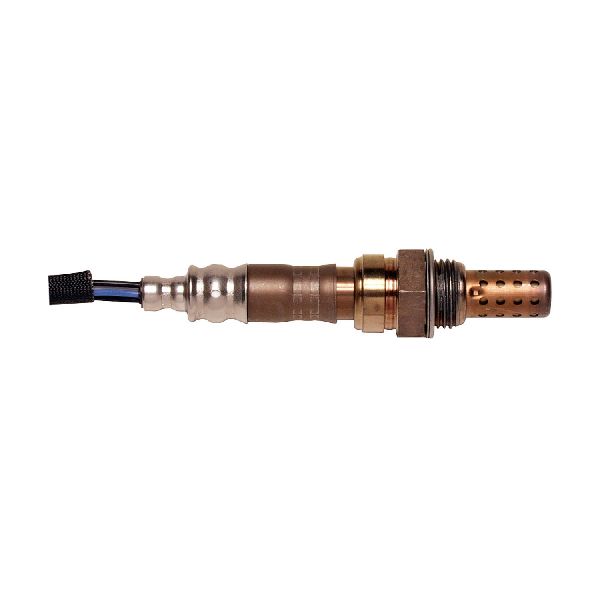
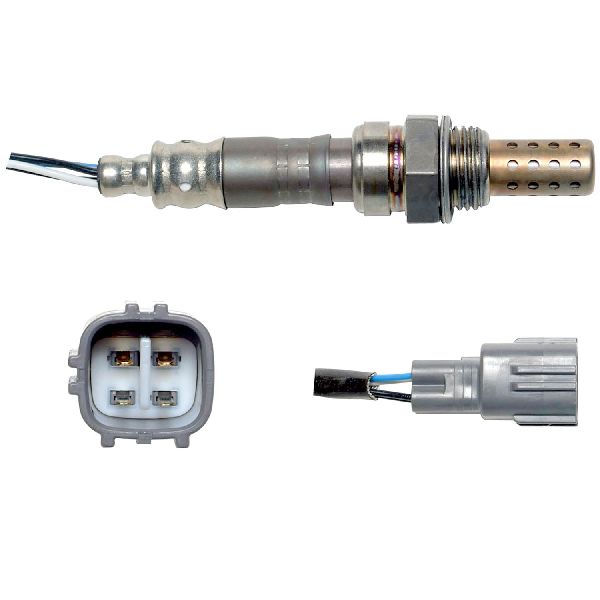
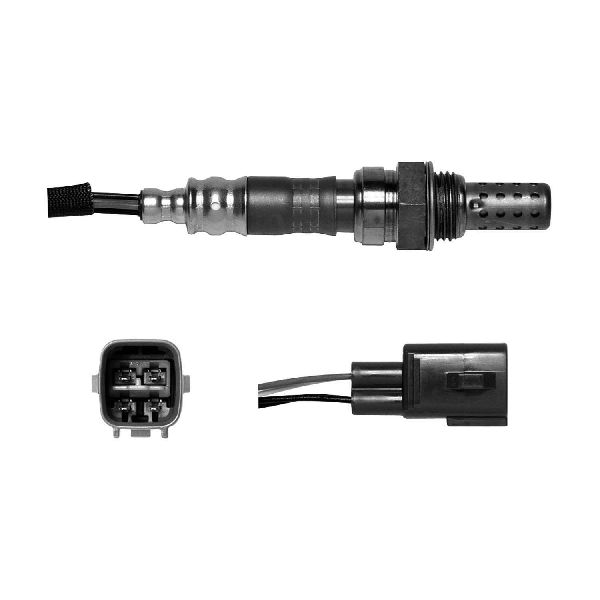
The 2013-2021 Lexus LX570 uses four heated oxygen sensors. The upstream sensors are wide-band Air/Fuel Ratio sensors, while the downstream sensors are narrower-band oxygen sensors. All are specific-fit with factory connectors and require a 22mm (7/8") wrench or O2 sensor socket for removal.
We Have This Part in Stock


The information in this article is provided for general reference and educational purposes only. Vehicle specifications, procedures, and part compatibility can vary by production date, trim level, and region. Always consult your vehicle's factory service manual and verify part numbers before purchasing or performing repairs. Safety-critical components such as airbags, seat belts, and braking systems should be installed by a qualified professional.
- Lexus LX570: