

A Comprehensive Guide to the 2013-2022 Audi S6 A/C Receiver Drier
Keeping your S6's A/C system healthy involves more than just refrigerant; here's what you need to know about the receiver drier.
- Crucially, the 2013-2018 (C7) S6 uses a replaceable desiccant cartridge, while the 2019-2022 (C8) S6 has a drier integrated with the condenser.
- The receiver drier is a mandatory replacement item anytime the A/C system is opened for service, such as a compressor or condenser replacement.
- Replacement is not a DIY job; it requires a professional with refrigerant recovery and recharging equipment.
- Symptoms of a bad drier (like poor cooling) mimic other A/C failures, so proper diagnosis by a technician is essential.
Is your Audi S6 A/C not as cold as it used to be?
When the A/C in a high-performance car like the Audi S6 starts to weaken, it's easy to suspect a major failure. While issues can range from the compressor to the condenser, a small but crucial component called the A/C receiver drier is often involved. This part is designed to be replaced during most A/C services, and understanding its function is key to a proper repair.
Critical: C7 vs. C8 Generation Differences
The 2013-2022 S6 model years span two different platforms, and how the receiver drier is serviced is completely different between them. Ordering the correct part is essential.
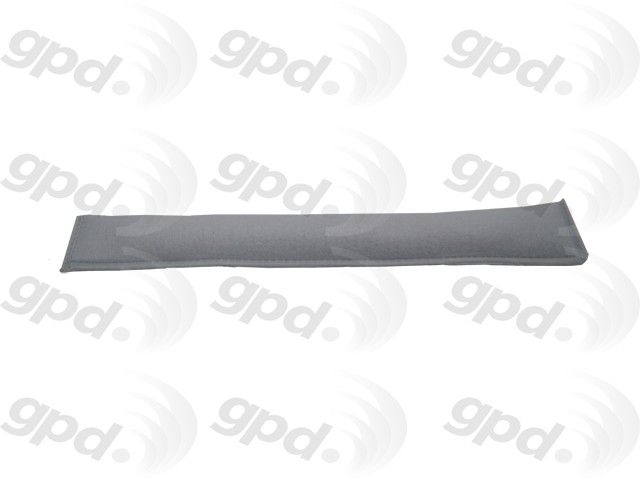
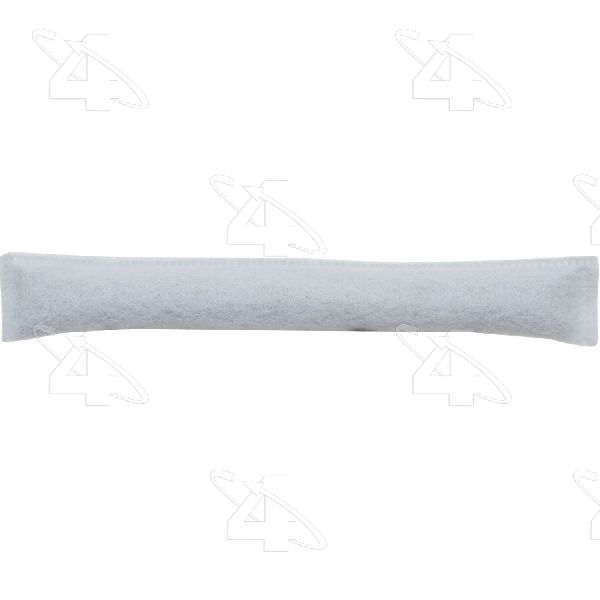
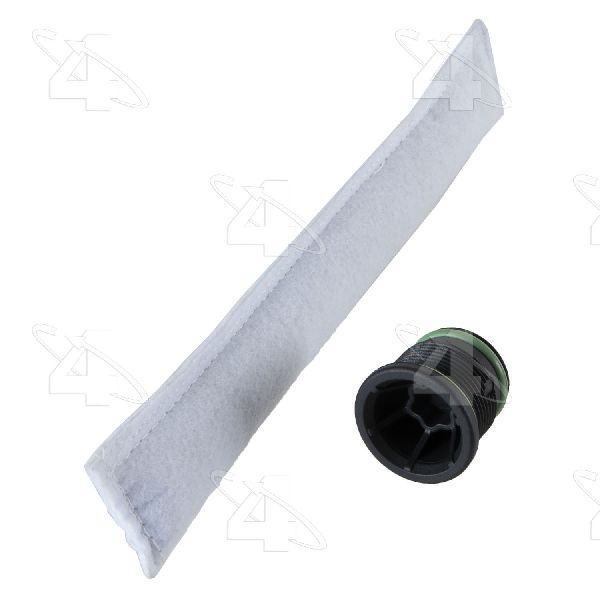
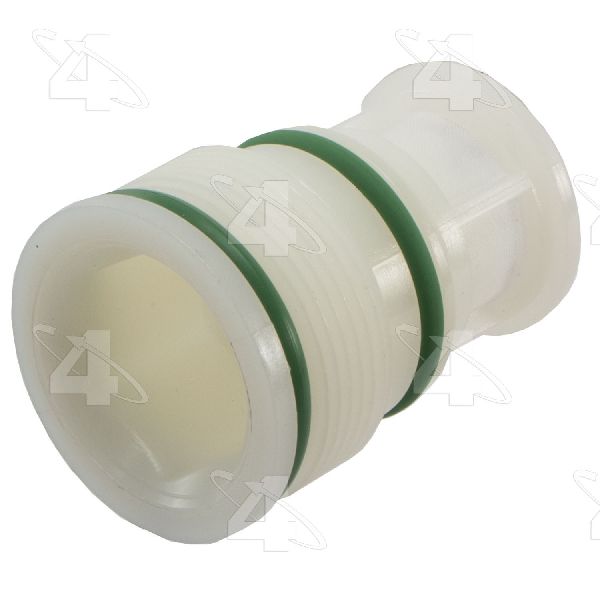
- 2013-2018 S6 (C7 Platform): On these models, the receiver drier is a separate cartridge or 'desiccant bag' that can be replaced independently. It fits into a dedicated housing on the side of the A/C condenser. This makes it a serviceable aftermarket part.
- 2019-2022 S6 (C8 Platform): For these newer models, the receiver drier is typically integrated into the A/C condenser assembly and is not sold as a separate, standalone part by Audi. If your drier has failed on a C8, you will likely need to replace the entire condenser.
Before ordering, confirm your vehicle's model year. This guide and the available aftermarket desiccant elements are primarily for the 2013-2018 S6 (C7).
Symptoms of a Failing A/C Receiver Drier
A bad receiver drier often produces symptoms similar to other A/C system failures. Because its job is to absorb moisture, a saturated or clogged drier can't do its job, leading to problems.
- Weak or Warm Air: The most common symptom. If the drier is clogged, it restricts the flow of refrigerant, preventing the system from cooling effectively.
- Musty or Moldy Smell: When the desiccant is saturated, it can no longer absorb moisture. This can lead to mold growth in the damp environment of the evaporator housing, causing an unpleasant smell from your vents.
- Rattling Noises: If the desiccant bag inside the drier ruptures, the small desiccant beads can travel through the system. You might also hear rattling if internal components or mounting brackets are loose.
- Frost on A/C Parts: A severe clog in the drier can cause a rapid pressure drop, which can make the outside of the drier or its connected lines cold enough to freeze moisture from the air, forming a layer of frost.
Choosing the Right Aftermarket Drier (C7 Models)
For the 2013-2018 S6, you don't necessarily need to buy an expensive OEM part. The receiver drier is a standard maintenance component. Reputable aftermarket brands like Four Seasons and Global Parts Distributors (GPD) offer quality replacements that meet or exceed original specifications. Since this part should be replaced any time the system is opened, choosing a cost-effective aftermarket option is a smart financial decision that doesn't compromise the repair.
Pro Tip: Always replace the receiver drier when replacing the A/C compressor, condenser, or any refrigerant lines. Most warranties for new compressors require it. Failure to do so can cause the new compressor to fail prematurely and will void its warranty.
| Part/Service | Estimated Cost |
|---|---|
| New OEM Drier (Part Only) | $60 - $100+ (Often part of condenser) |
| New Aftermarket Drier (Part Only) | $13 - $25 |
| Shop Labor & System Recharge | $400 - $700 |
| Total Professional Job (Aftermarket Part) | $539 - $796 |
Frequently Asked Questions (FAQ)
Can I replace the A/C receiver drier myself?
This is not recommended for DIY mechanics. The job requires specialized and expensive equipment to safely recover the old refrigerant from the system and then pull a vacuum and recharge it with the precise amount of new refrigerant and oil. Improper handling of refrigerant is harmful to the environment and can cause serious injury. This job is best left to a qualified technician.
Why does it have to be replaced if the system is opened?
The desiccant material inside the drier is extremely absorbent. The moment it is exposed to the atmosphere, it begins absorbing moisture from the air. It can become fully saturated in a very short time, making it useless. Installing a new, sealed drier is the only way to ensure the system remains free of moisture.
My mechanic says my evaporator is leaking. Is that common?
Yes, it can be. Audi has issued a Technical Service Bulletin (TSB 2064077/6) for several models, including the 2020-2025 S6, related to potential leaks from the A/C evaporator. Symptoms are insufficient cooling, which can be mistaken for a bad drier or other component. A good technician will use a leak detector to pinpoint the source of the refrigerant loss before replacing parts.
Is there a recall on the Audi S6 A/C system?
As of early 2026, there are no active NHTSA safety recalls specifically for the A/C receiver drier or other major A/C components on the 2013-2022 Audi S6. Always check your specific VIN on the NHTSA website for the latest recall information.
Technical Specifications
OEM Part Numbers: 4G0260403Q (Condenser for C7.5) 4G0260403P (Condenser for C7.5) 8W0298403 (Drier for C8, included with condenser)
For 2013-2018 (C7) models, this is a desiccant bag/cartridge that inserts into the side of the A/C condenser. For 2019-2022 (C8) models, the desiccant is integrated into the condenser assembly.
We Have This Part in Stock

The information in this article is provided for general reference and educational purposes only. Vehicle specifications, procedures, and part compatibility can vary by production date, trim level, and region. Always consult your vehicle's factory service manual and verify part numbers before purchasing or performing repairs. Safety-critical components such as airbags, seat belts, and braking systems should be installed by a qualified professional.
- Audi S6: