

Ford Explorer Engine Intake Manifold Temperature Sensor Guide (2013-2022)
Is your Explorer running rough or getting bad gas mileage? A faulty intake air temperature sensor could be the problem.
- First, use a scanner to confirm a fault code like P0111, P0112, or P0113.
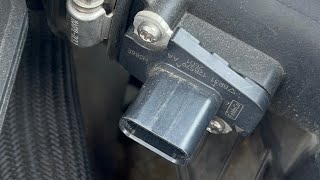
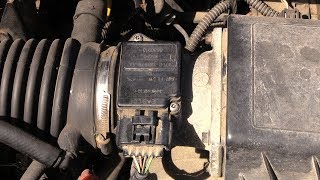
- Visually identify if your Explorer has a standalone IAT sensor or one integrated into the MAF sensor before buying.
- Check your air filter for clogs or oil contamination before replacing the sensor.
- For this part, an aftermarket brand like Standard Ignition is a cost-effective alternative to OEM.
Is Your Ford Explorer's Intake Temperature Sensor Failing?


If your 2013-2022 Ford Explorer is experiencing poor fuel economy, a rough idle, or has the Check Engine Light on, a failing Engine Intake Manifold Temperature Sensor might be the cause. This small sensor plays a big role in how your engine runs. When it fails, it sends incorrect information to the engine's computer, leading to a host of noticeable problems.
Symptoms of a Bad Intake Temperature Sensor
- Check Engine Light: This is often the first sign. You may see codes like P0111, P0112, or P0113 when you scan the vehicle.
- Poor Fuel Economy: The computer may create a fuel mixture that is too rich or too lean, wasting gas.
- Rough Idle and Hesitation: An incorrect air-fuel ratio can cause the engine to run poorly, especially at idle or during acceleration.
- Difficulty Starting: The engine may be hard to start, particularly in cold weather, if the sensor is telling the computer the air is warm.
- Reduced Engine Power: Your Explorer may feel sluggish or less responsive than usual.
Common Ordering Mistake: Identify Your Sensor Type!
Before buying a replacement, you MUST know which type of sensor your Explorer's engine uses. For this generation, there are two main types:
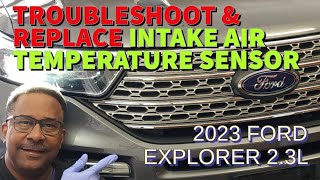
- Standalone Sensor: Some engines, like certain 2.3L EcoBoost models, 🎬 Watch this walkthrough for replacing the 2.3L standalone sensor. use a separate IAT sensor that plugs directly into the intake tubing. This is a simple, low-cost part.
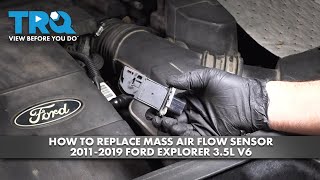
- Integrated Sensor: Many other engines, including the 3.5L V6, 🎬 See how to replace the integrated MAF sensor on V6 models. integrate the IAT sensor into the Mass Airflow (MAF) sensor assembly. If you have this type, you must replace the entire MAF sensor. Ordering a standalone IAT sensor will not work. Always visually inspect your engine's air intake system to confirm which part you need.
Choosing the Right Aftermarket Sensor

For a simple component like an IAT sensor, an aftermarket part offers significant savings with minimal risk. The price difference between an OEM and an aftermarket sensor can be substantial.
Standard Ignition Brand: Standard Ignition is a well-known aftermarket manufacturer that produces parts designed to be direct-fit replacements for the original. While extensive reviews for this specific part on an Explorer are limited, the brand is a common choice for affordable repairs. Given the sensor's basic function as a thermistor, a quality aftermarket part from a brand like Standard is a practical and cost-effective choice for most owners.
Pro Tip: Check This Before You Replace
Before spending money on a new sensor, take a moment to inspect your engine's air filter. A severely clogged air filter can restrict airflow and cause similar symptoms. Additionally, if you use a reusable, oiled air filter, make sure it hasn't been over-oiled. Excess oil can contaminate the sensor tip, causing incorrect readings. Sometimes, simply cleaning the sensor tip with a dedicated MAF or electronics cleaner and letting it air dry can restore its function.
🎬 Watch this quick guide on how to clean your sensor properly.Replacement Cost
The cost to replace the intake temperature sensor depends heavily on whether it's a standalone part or integrated into the MAF sensor. The prices below are for the standalone sensor.
| Part Type | Estimated Cost |
|---|---|
| New Aftermarket | $15 - $26 |
| New OEM | $50 - $80 |
| Shop Labor | $50 - $70 |
Frequently Asked Questions

Where is the intake temperature sensor located on my Explorer?
Its location varies by engine. On some 2.3L EcoBoost engines, it's a standalone sensor plugged into the plastic air intake duct between the air filter box and the throttle body. On many 3.5L engines, it is part of the Mass Airflow (MAF) sensor, which is located right on the air filter housing. Always check your specific engine to be sure.
Can I replace this sensor myself?
Yes, if it is a standalone sensor, this is a very easy DIY job. It typically involves unplugging an electrical connector and twisting the sensor to remove it, often requiring no tools at all. If it's part of the MAF sensor, it's still a simple job, usually requiring only a screwdriver or Torx bit driver.
Are there any recalls for this part?
No. Searches of the National Highway Traffic Safety Administration (NHTSA) database did not find any recalls or technical service bulletins (TSBs) specifically related to the Engine Intake Manifold Temperature Sensor for the 2013-2022 Ford Explorer.
Is an aftermarket sensor good enough?
For this specific part, yes. The technology is simple (a thermistor), and the potential savings are significant. A reputable aftermarket brand provides a reliable and budget-friendly alternative to the more expensive OEM part.
Helpful Videos


Technical Specifications
OEM Part Numbers: 9C1Z-12A697-D
The sensor is a thermistor that changes resistance based on air temperature. It typically has a 2-pin electrical connector.
We Have This Part in Stock


The information in this article is provided for general reference and educational purposes only. Vehicle specifications, procedures, and part compatibility can vary by production date, trim level, and region. Always consult your vehicle's factory service manual and verify part numbers before purchasing or performing repairs. Safety-critical components such as airbags, seat belts, and braking systems should be installed by a qualified professional.
- Ford Explorer:
- 🎬 Helpful Videos
- 🛍️ Shop This Part
- Is Your Ford Explorer's Intake Temperature Sensor Failing?
- Symptoms of a Bad Intake Temperature Sensor
- Common Ordering Mistake: Identify Your Sensor Type!
- Choosing the Right Aftermarket Sensor
- Pro Tip: Check This Before You Replace
- Replacement Cost
- Frequently Asked Questions
- 🎟️ Get 5% Off