

Ford GT Engine Temperature Sensor Guide for 2017-2022 Models
Understanding the temperature sensor in your Ford GT's 3.5L EcoBoost engine and how to address failure.
- The 2017-2022 Ford GT uses a Cylinder Head Temperature (CHT) sensor that functions as the coolant temperature sensor.
- Symptoms of failure include a Check Engine Light (codes P0117, P0118), overheating, and poor performance.
- Replacement is difficult due to the mid-engine layout and should be performed by a professional.
- A premium aftermarket sensor is a viable, cost-effective alternative to the OEM part for this component.
Is it an ECT or CHT Sensor?
While many vehicles place a sensor directly in the coolant, Ford uses a Cylinder Head Temperature (CHT) sensor on the 3.5L EcoBoost engine. It functions as the Engine Coolant Temperature (ECT) sensor for all practical purposes. It tells the computer how hot the engine is. If you are searching for this part, you will see it listed under both names, but they are the same component for your Ford GT.
Symptoms of a Failing Temperature Sensor
A bad temperature sensor can send incorrect signals to the engine's computer, causing a range of problems. Because the computer might think the engine is colder or hotter than it actually is, it will adjust fuel and timing incorrectly. You may notice one or more of the following issues:
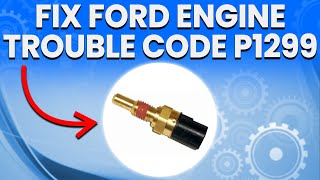
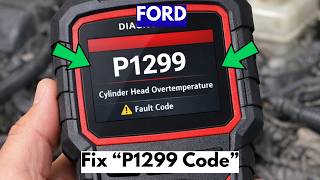
- Check Engine Light: This is often the first sign. The computer will store fault codes like P0117, P0118, or P1299. 🎬 Watch: How to fix the P1299 overtemperature protection code.
- Poor Engine Performance: The engine may run rough, hesitate, or feel down on power. In some cases, the vehicle may enter a "limp mode" to protect the engine.
- Reduced Fuel Economy: If the computer thinks the engine is always cold, it will run a rich fuel mixture, wasting fuel.
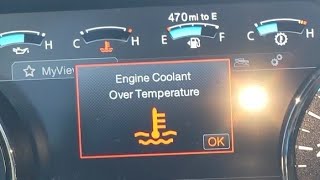
- Engine Overheating: If the sensor fails to report that the engine is hot, the cooling fans may not turn on 🎬 Watch: Troubleshooting sudden overheating caused by a faulty CHT sensor. when needed, leading to overheating.
- Black Smoke from Exhaust: A rich fuel mixture from a faulty sensor reading can result in unburnt fuel being burned in the exhaust, creating black smoke.
Choosing the Right Aftermarket Part
For a high-performance vehicle like the Ford GT, the immediate instinct is to use original equipment (OEM) parts from Ford. However, for a simple electronic sensor, a quality aftermarket part can be a reliable and cost-effective choice. The OEM sensor is not an exotic part and its function can be replicated accurately by reputable aftermarket manufacturers.
When shopping for an aftermarket sensor, you'll find different brand tiers:
- Premium Aftermarket (e.g., Holstein): Brands like Holstein aim to meet or exceed OEM specifications. They often provide a good balance of quality and price, making them a smart choice for owners who want reliability without the dealership markup. While owner reviews on forums are mixed for any aftermarket brand, many have used them successfully on other Ford vehicles.
- Standard/Economy (e.g., Global Parts): These brands offer the most budget-friendly options. They are functional but may not have the same long-term durability or precise calibration as higher-tier brands. For a critical sensor on a Ford GT, it is generally better to opt for a premium aftermarket or OEM part.
Pro Tip
Even though the sensor itself is affordable, the labor to replace it on a mid-engine GT can be expensive. To avoid paying for the same job twice, it is wise to choose a quality part (either premium aftermarket or OEM) rather than the cheapest option available.
Cost of Replacing the Engine Temperature Sensor
The total cost will include the price of the part and the cost of labor for installation.
| Item | Estimated Cost |
|---|---|
| New OEM Sensor | $25 - $40 |
| New Aftermarket Sensor | $10.99 - $40.30 |
| Shop Labor | $400 - $1200+ |
Cost estimates are for reference only and may vary based on your location and the repair shop's hourly rates. Labor for the Ford GT is significantly higher than for standard vehicles.
Frequently Asked Questions
Can I replace the temperature sensor myself?
For most owners, this is not a recommended DIY job. The sensor is located on the back of the cylinder head in a very tight space. On the similar 3.5L EcoBoost in other Fords, this job can require removing the intake manifold for access. 🎬 See this walkthrough of the 3.5L cylinder temp sensor replacement. Given the mid-engine layout and complexity of the Ford GT, this job is best left to a qualified technician with experience on these vehicles.
Is it safe to drive with a bad temperature sensor?
It is not recommended. A bad sensor can lead to poor performance, engine damage from overheating, or leave you stranded if the car enters limp mode. You should have the vehicle inspected and repaired as soon as possible.
Why isn't there a recall for this sensor?
Recalls are typically issued for widespread, safety-critical defects. While a sensor failure is inconvenient, it has not been identified by Ford or the NHTSA as a systemic safety risk across the Ford GT model line. Failures are handled as individual repairs.
Should I buy an OEM or aftermarket sensor for my GT?
While OEM is always a safe bet, a premium aftermarket sensor from a reputable brand like Holstein is a perfectly acceptable alternative for this specific part. The technology is not complex, and the cost savings can be applied to the significant labor cost of the repair. Avoid the cheapest available options to ensure reliability.
Helpful Videos

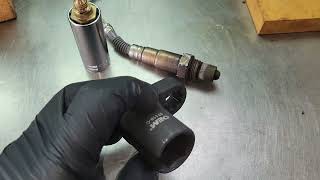

Technical Specifications
OEM Part Numbers: AU5Z12A647B AU5Z12A647A DY1143
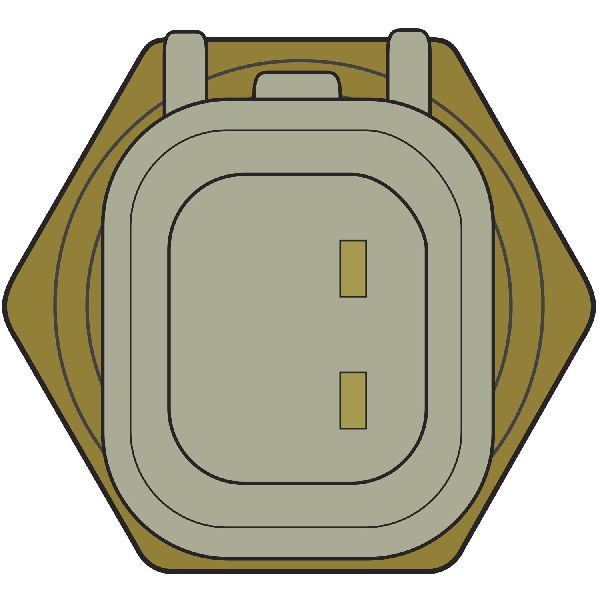
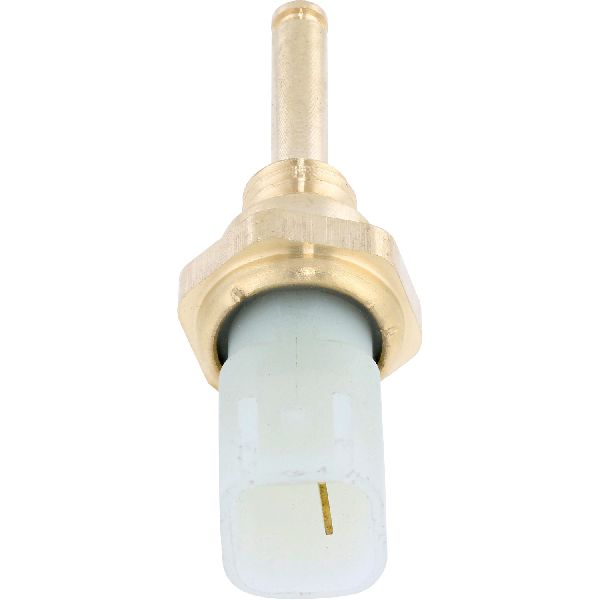
This is a 2-pin thermistor sensor that threads into the cylinder head. It changes electrical resistance based on temperature.
We Have This Part in Stock

The information in this article is provided for general reference and educational purposes only. Vehicle specifications, procedures, and part compatibility can vary by production date, trim level, and region. Always consult your vehicle's factory service manual and verify part numbers before purchasing or performing repairs. Safety-critical components such as airbags, seat belts, and braking systems should be installed by a qualified professional.
- Ford GT: