

Ford GT Engine Crankshaft Position Sensor Guide (2017-2022)
Understanding the signs of a failing crankshaft position sensor is key to keeping your GT's high-performance engine running correctly.
- A failing sensor can leave you stranded with a no-start condition or cause dangerous stalling while driving.
- Due to extremely high labor costs for this repair on a GT, do not use a budget-tier sensor. Choose OEM or a top-tier aftermarket brand.
- This is not a DIY-friendly repair; it requires a professional technician with experience in mid-engine vehicles.
- A Check Engine Light with codes P0335 or P0336 is a strong indicator of a crankshaft position sensor issue.
About This Guide
This article covers the engine crankshaft position sensor for the second-generation Ford GT, produced from 2017 to 2022. These models are equipped with the 3.5L twin-turbocharged EcoBoost V6 engine. While the part itself is common across many Ford vehicles, its role and replacement considerations are unique in a high-performance, mid-engine supercar like the GT.
Symptoms of a Failing Crankshaft Position Sensor
A faulty crankshaft position sensor can cause significant drivability issues. Because the sensor is critical for engine timing, symptoms are often severe and should be addressed immediately.
- Check Engine Light: This is often the first sign. The ECU will store trouble codes like P0335 or P0336.
- Engine Will Not Start: The engine may crank but fail to start because the ECU isn't receiving the signal needed to time the spark and fuel.
- Engine Stalling: The engine may stall unexpectedly, especially when idling or at low speeds. This can be a major safety hazard.
- Rough Idle and Misfires: An erratic signal can cause the engine to run poorly, shake, or misfire.
- Reduced Engine Power: The vehicle may feel sluggish or hesitate during acceleration as the ECU struggles with incorrect timing data.
No Recalls or TSBs Found
As of early 2026, there are no specific recalls or Technical Service Bulletins (TSBs) from Ford or the NHTSA for the crankshaft position sensor on the 2017-2022 Ford GT. This suggests it is not a widespread, common failure point on this specific model.
Choosing the Right Aftermarket Part
While the cost of the sensor itself is low, the labor to replace it on a Ford GT is very high due to the mid-engine design. For this reason, choosing a high-quality, reliable part is critical to avoid repeating the expensive repair. Saving a few dollars on a budget sensor is not recommended.
Brand Quality Tiers
Tier 1: Top Quality (Recommended)
- Standard Ignition (SMP): A highly respected aftermarket manufacturer known for producing parts that meet or exceed OEM quality.
- Delphi: Often an OEM supplier for many brands. If confirmed as the original supplier to Ford, it's an excellent choice. However, quality can vary on their non-OEM product lines.
Tier 2: Good Quality
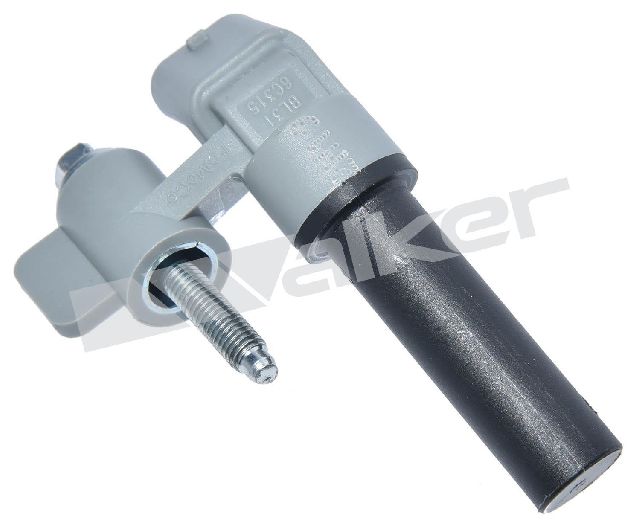
- Walker Products: An established brand specializing in engine management sensors, marketing their parts as 100% tested and designed to meet OE specifications.
Tier 3: Standard / Economy
- Dorman: Offers a wide range of parts, but their sensors have a mixed reputation for longevity. Best avoided for a critical application in a high-value vehicle.
- Global Parts: Typically a budget-friendly option, but with little public data on long-term reliability for electronic sensors.
A Note on OEM Parts
The genuine Ford (Motorcraft) crankshaft position sensor (Part No. BL3Z-6C315-B) is often available for a price that is competitive with aftermarket options. Given the stakes, using the genuine OEM part is a very safe and highly recommended path.
Estimated Replacement Costs
The primary cost of this repair is labor. Accessing the sensor in the GT's cramped, mid-engine bay is significantly more complex than in a front-engine vehicle like an F-150 that uses the same engine.
| Part Type | Estimated Cost |
|---|---|
| New Aftermarket Sensor | $29.89 - $40.98 |
| New OEM (Motorcraft) Sensor | $25 - $45 |
| Shop Labor | $600 - $1000+ |
| Total Estimated Cost | $630 - $1040+ |
Frequently Asked Questions
Can I replace the Ford GT crankshaft sensor myself?
This is not recommended for a DIY mechanic. The sensor is located deep in the engine bay, and accessing it likely requires removing other major components. This job should be left to a qualified technician with experience working on mid-engine exotic cars.
Why is the labor cost so high?
The 3.5L EcoBoost is mounted in the middle of the Ford GT, making access to components like the crankshaft position sensor extremely difficult. What might be a 1-2 hour job on an F-150 can easily become a 4-6 hour job on the GT, as technicians may need to remove body panels, support braces, or other parts to reach it.
What happens if I ignore a failing crankshaft sensor?
Ignoring the symptoms will eventually lead to a no-start condition or the engine stalling while driving. The latter is a serious safety risk. It's best to have the vehicle inspected and repaired as soon as symptoms appear.
Does a P0335 code always mean the sensor is bad?
Not always. While a faulty sensor is the most common cause, the code can also be triggered by wiring issues, a damaged connector, or a problem with the reluctor wheel on the crankshaft. A proper diagnosis by a professional is necessary to confirm the cause.
Technical Specifications
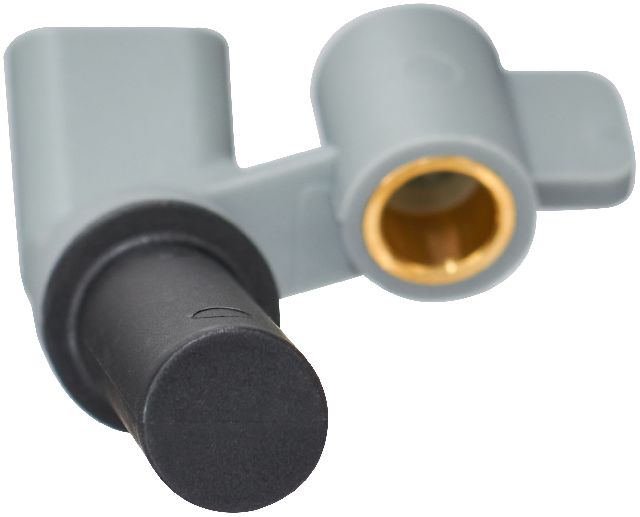
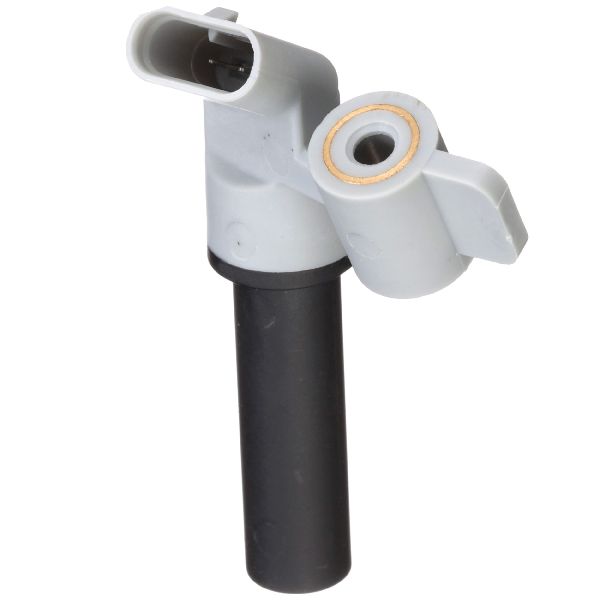
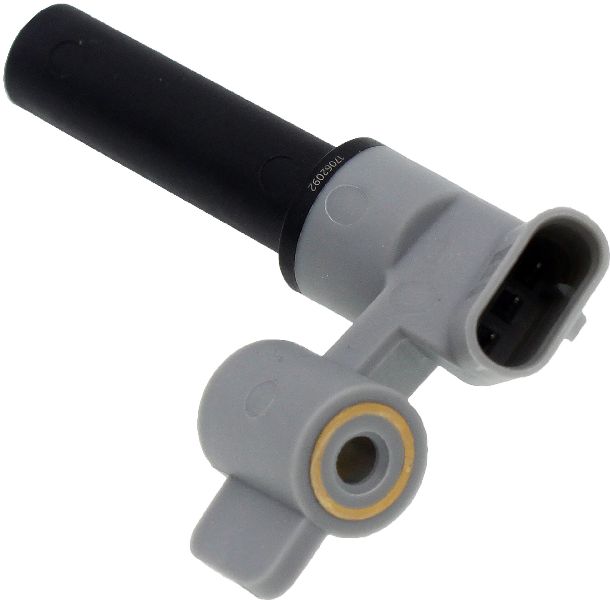
OEM Part Numbers: BL3Z-6C315-B BL3Z6C315A DY1177
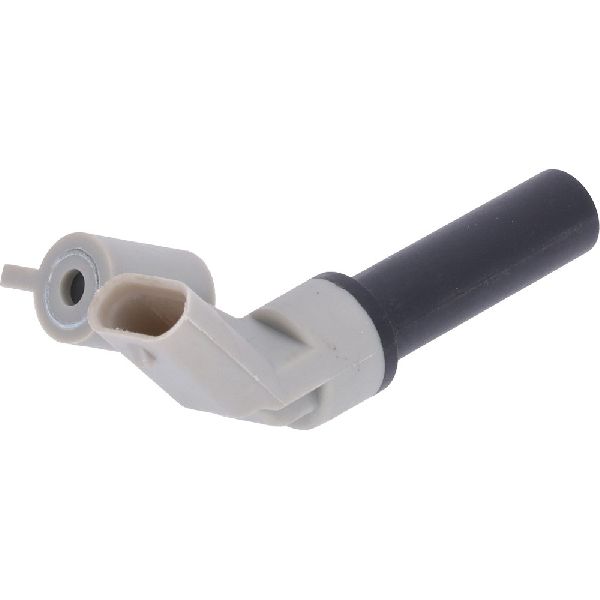
The crankshaft position sensor for the 3.5L EcoBoost is a magnetic or Hall-effect sensor that generates a voltage signal based on the passing of teeth on a reluctor wheel attached to the crankshaft.
We Have This Part in Stock


The information in this article is provided for general reference and educational purposes only. Vehicle specifications, procedures, and part compatibility can vary by production date, trim level, and region. Always consult your vehicle's factory service manual and verify part numbers before purchasing or performing repairs. Safety-critical components such as airbags, seat belts, and braking systems should be installed by a qualified professional.
- Ford GT: