

Your Guide to Engine Mounts for the 2013-2022 Toyota Avalon
Feeling a vibration or hearing a clunk in your Avalon? Your engine mounts could be the reason.
- The most common sign of a bad mount is vibration at idle while in gear.
- OEM mounts offer the best quality and longevity, but at a significantly higher price.
- Aftermarket quality varies greatly; brands like Pioneer are generally better regarded than budget options like Anchor or DEA.
- The upper 'dog bone' mount is the easiest to replace and can be a good starting point for a DIY repair.
Symptoms of a Failing Engine Mount
A bad engine mount on your Avalon will make its presence known. The signs are often subtle at first but will get worse over time. Look out for these common symptoms:
- Excessive Vibration: This is the most common sign. You'll feel a noticeable vibration through the steering wheel, floor, or seats, especially when the car is stopped at a light while in "Drive". The vibration might lessen if you shift into Neutral or Park.
- Loud Noises: A "clunk" or "thump" from the engine bay when you accelerate, put the car in gear, or brake is a clear indicator of a problem. This sound is the engine physically shifting and hitting other components because a mount is no longer holding it securely.
- Visible Engine Movement: A healthy engine should not move much. If you have a helper, you can safely check for movement. With the hood open and the helper standing safely to the side, hold the brake firmly, shift into "Drive," and briefly apply a small amount of throttle. 🎬 Watch: How to safely test for engine movement at home. If the engine jumps or lurches, a mount has likely failed.
Known Issue for 2013-2018 Models
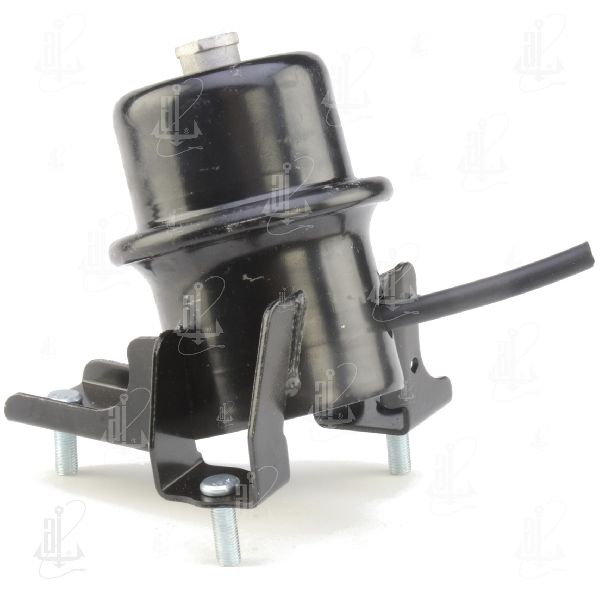
On some 2013-2018 Avalons, the front engine mount is an "active" mount controlled by a solenoid. The wires to this solenoid can become brittle and break over time. This is often a simple fix requiring a wire repair rather than a full mount replacement, so it's worth checking first if you have a vehicle from this year range.
🎬 See how to fix the active mount solenoid wiring issue.Choosing the Right Aftermarket Engine Mount
When shopping for a replacement, you'll find both Original Equipment (OEM) and aftermarket options. For the Avalon, there is a noticeable difference in quality and price that you should be aware of.
OEM vs. Aftermarket Quality
Toyota OEM mounts are widely considered to be the highest quality, made with superior rubber that lasts longer and dampens vibration most effectively. However, they are also the most expensive option. Aftermarket mounts offer significant cost savings, but the quality can be inconsistent. Lower-priced aftermarket brands may use harder rubber compounds that can actually increase cabin vibration or fail in as little as a year.
Aftermarket Brand Tiers
Not all aftermarket brands are created equal. Based on owner and mechanic feedback, they can be grouped into tiers:
- Better Aftermarket (Pioneer): Pioneer is often seen as a step up from budget brands. While not always considered equal to OEM, they are frequently reported as a good balance of price and quality, offering better fit and function than cheaper alternatives.
- Budget Aftermarket (Anchor, DEA, Westar): These brands are very affordable and widely available. However, they are often criticized for poor quality control, fitment issues, and short lifespans. They might solve a clunking noise from a completely failed mount, but some owners report new or different vibrations after installation. These are best considered a short-term or budget-focused solution.
Pro Tip: The upper engine mount, often called a "torque strut" or "dog bone," is the easiest to replace and is a common failure point. If you're on a budget, you could use a higher-quality aftermarket or OEM part for the more difficult-to-install main mounts and a budget-friendly brand for the easily accessible dog bone mount.
🎬 Watch: Step-by-step guide to replacing the upper torque strut mount.Cost to Replace Toyota Avalon Engine Mounts
| Part Type | Estimated Part Cost |
|---|---|
| New OEM | $415 - $465 (per mount) |
| New Aftermarket | $83 - $133 (per mount) |
| Used OEM | $70 - $120 (per mount) |
| Shop Labor | $130 - $250 (per mount) |
Frequently Asked Questions (FAQ)
Can I replace just one bad engine mount?
Yes, you can replace just the one that has failed. However, engine mounts wear out at a similar rate. If one has failed, the others are likely nearing the end of their service life. Replacing them as a set can save you on future labor costs.
How many engine mounts does a 2013-2022 Toyota Avalon have?
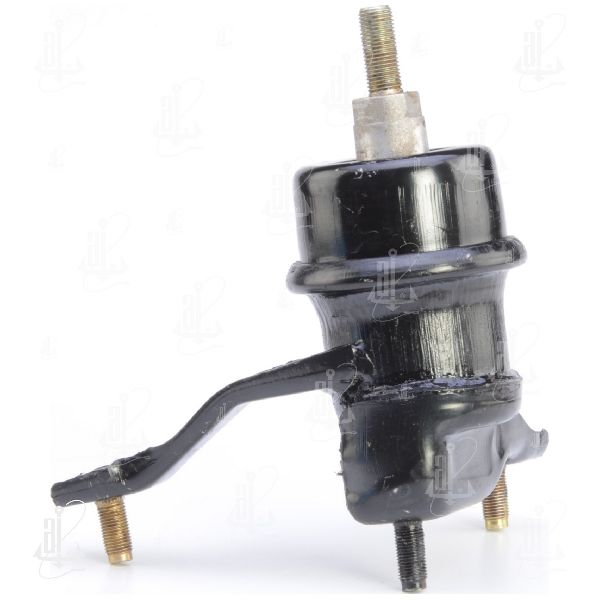
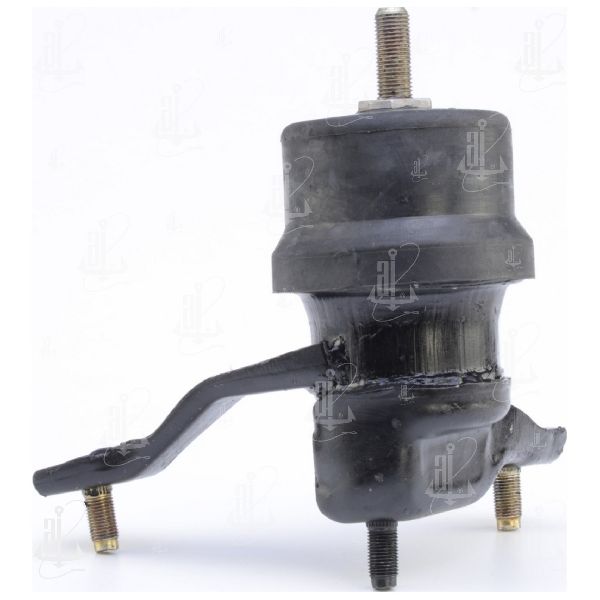
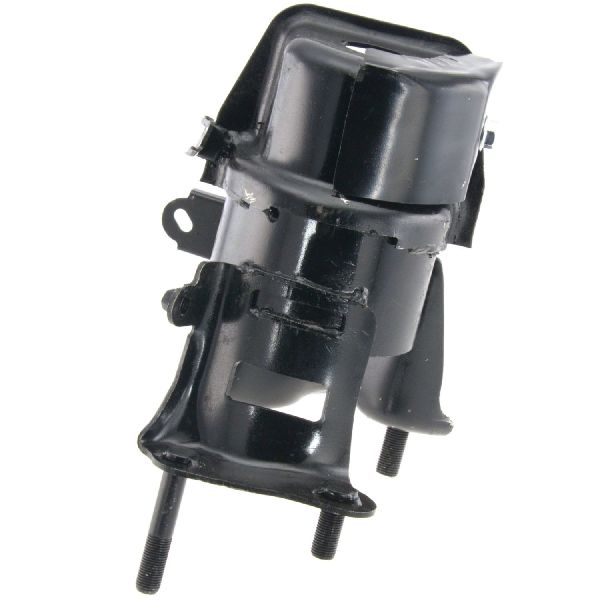
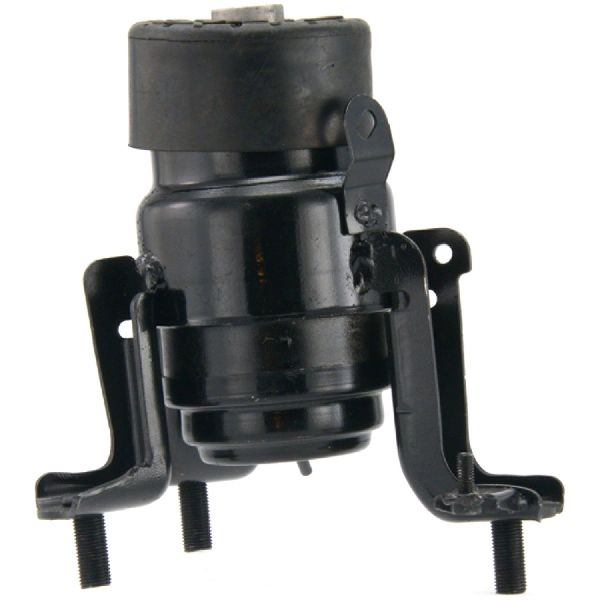
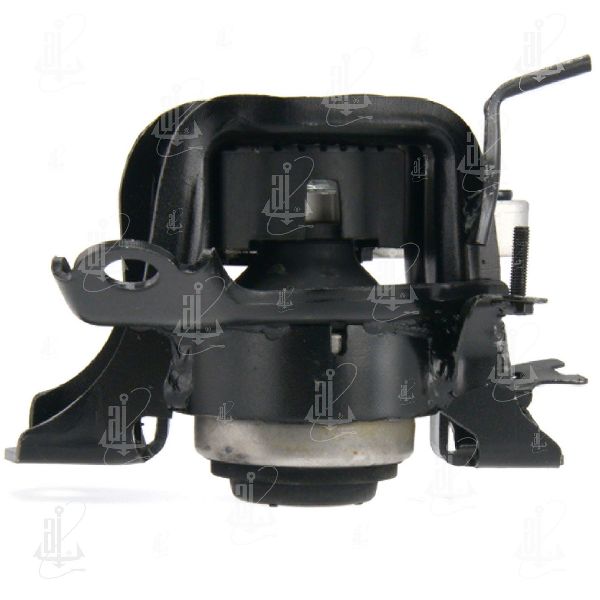
The V6 Avalon typically has four main mounts: a front mount, a rear mount, a right-side (passenger) mount, and a left-side (driver) transmission mount. It also has an upper torque strut mount, often called a "dog bone."
Are aftermarket mounts for the Avalon worth it?
It depends on your budget and expectations. For owners planning to keep the car long-term who want to preserve the original smooth ride, OEM mounts are often recommended despite the high cost. If you are on a tight budget, a better-quality aftermarket brand like Pioneer can be a good compromise. Cheaper brands may solve the immediate issue but might need to be replaced again sooner.
My vibration is at highway speed, not at idle. Is it the engine mounts?
While possible, a vibration that only appears at highway speeds is more commonly caused by wheel and tire imbalance, worn suspension components, or an issue with the axles. Engine mount vibration is typically most noticeable when the engine is under load at a standstill (in gear) or during acceleration.
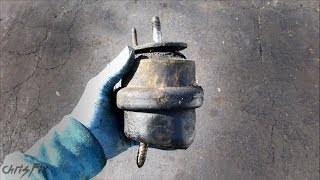
Helpful Videos
Technical Specifications
OEM Part Numbers: 12363-0P020 12360-0P130 12362-0P090 12372-0P010 12363-0P141
The 2013-2022 Toyota Avalon uses a set of four primary mounts and one upper torque strut. Some mounts, particularly the front one on 2013-2018 models, may be active (electronically controlled) or hydraulic (fluid-filled) to better dampen vibrations.
We Have This Part in Stock

The information in this article is provided for general reference and educational purposes only. Vehicle specifications, procedures, and part compatibility can vary by production date, trim level, and region. Always consult your vehicle's factory service manual and verify part numbers before purchasing or performing repairs. Safety-critical components such as airbags, seat belts, and braking systems should be installed by a qualified professional.
- Toyota Avalon: