

Audi S6 Engine Coolant Temperature Sensor: A Guide for the 4.0T V8 (2013-2023)
An essential guide to diagnosing and replacing the right temperature sensor on your C7 or C8 Audi S6.
- Your S6 has multiple temperature sensors; a diagnostic scan is needed to identify the failed part before ordering.
- A known issue (TSB 19-22-32) involves a faulty O-ring on the cylinder head sensor (G407) causing moisture damage and fault codes like P2181.
- For critical electronics on your Audi, it is safest to use an OEM part or a high-quality aftermarket brand known to be an OEM supplier, like Vemo, Hella, or Bosch.
- Symptoms range from a Check Engine Light and poor fuel economy to serious engine overheating.
Understanding Your S6's Cooling System
When dealing with a coolant temperature issue on a 2013-2023 Audi S6, it's important to know that your car doesn't have just one sensor. The 4.0T V8 uses a complex system with several sensors to monitor temperatures at various points, such as the main engine block (G62), 🎬 See this walkthrough for locating and replacing the G62 sensor the radiator outlet (G83), and the cylinder head (G407). A fault code from a diagnostic scanner is the best way to identify which specific sensor has failed. Ordering the wrong sensor is a common mistake.
Symptoms of a Failing Temperature Sensor
A bad coolant temperature sensor can cause a range of problems, from annoying to serious. Here’s what to look for:
- Check Engine Light: This is often the first sign. Codes like P0116, P0117, P2181, or P2185 may be stored in the ECU.
- Erratic Temperature Gauge: The needle on your dashboard might jump around, stay on cold, or shoot to hot unexpectedly.
- Engine Overheating: If the sensor fails to report a high temperature, the cooling fans may not turn on when needed.
- Poor Fuel Economy: A sensor stuck reading “cold” will cause the ECU to enrich the fuel mixture, wasting gas.
- Black Smoke from Exhaust: This is a result of the engine running too rich, burning excess fuel.
- Cooling Fans Running Constantly: A sensor sending a false “hot” signal can cause the radiator fans to run at full speed, even when the engine is cold.
Known Issue: TSB 19-22-32
Audi has a Technical Service Bulletin (TSB) for a known issue where the O-ring on the cylinder head temperature sensor (G407) can fail. This allows moisture to get inside the sensor, causing it to short out and send incorrect readings. This can trigger fault code P2181 (Cooling System Malfunction) and other related codes. When replacing this sensor, ensuring the new O-ring is seated correctly is critical.
Choosing the Right Aftermarket Sensor
For sensitive electronics on a high-performance German car, part quality matters. While OEM is always a safe choice, several aftermarket brands offer reliable alternatives. Based on owner experiences and brand reputation, here’s how they generally stack up:
- Tier 1 (OEM Supplier Quality): Brands like Vemo, Hella, and Bosch are often original equipment manufacturers for Audi or have a strong reputation for quality electronics that meet or exceed OE specifications. These are highly recommended choices.
- Tier 2 (Trusted Aftermarket): Brands such as Delphi, NGK, and Standard Ignition (SMP) are well-known in the industry and generally produce reliable parts. They offer a good balance of price and quality.
- Tier 3 (Value-Oriented): Brands like Four Seasons, Global Parts, and True Tech can provide a cost-effective solution. While functional, some Audi owners prefer to stick with Tier 1 or 2 brands for critical engine sensors to ensure long-term reliability.
Pro Tip: Many Audi owners on forums recommend using either a genuine OEM sensor or a brand known to be an OEM supplier (like Vemo or Hella) for electronics. This minimizes the risk of compatibility issues or premature failure that can sometimes occur with other aftermarket brands on these sensitive systems.
Cost of Replacing an Audi S6 Coolant Temp Sensor
| Part Type | Average Cost |
|---|---|
| New Aftermarket Sensor | $13 - $65 |
| New OEM Sensor | $30 - $70 |
| Shop Labor | $100 - $250 |
Frequently Asked Questions (FAQ)
How many coolant temperature sensors does the Audi S6 have?
The 4.0T V8 engine has multiple temperature sensors as part of its complex thermal management system. Common ones include the main Engine Coolant Temperature Sensor (G62), a radiator outlet sensor (G83), and a cylinder head temperature sensor (G407). You must use a diagnostic scan tool to determine which specific sensor has failed before ordering a replacement.
Is replacing the coolant temperature sensor a DIY job?
For an experienced DIY mechanic, yes. However, the difficulty depends on which sensor needs replacing. Some are located in very tight spaces, like at the back of the engine against the firewall, which can 🎬 Watch: Expert tips for accessing tight spots on the 4.0T be difficult to access without specialized tools. Others, like one on the radiator, may be much easier to reach. Always allow the engine to cool completely before starting this repair.
Do I need to drain the coolant to replace the sensor?
Not necessarily. If you are quick, you can swap the sensor with minimal coolant loss. The system is under pressure, so opening the coolant reservoir cap will cause more fluid to come out. Have the new sensor ready to install immediately after removing the old one. It's a good idea to have a rag handy and top off the coolant level with the correct G12/G13 fluid after the job is done.
Is there a recall for the Audi S6 coolant temperature sensor?
No, there are no specific recalls for the engine coolant temperature sensor on the 2013-2023 Audi S6. There was a recall for an auxiliary coolant pump on different Audi models with a 2.0L engine, but this does not apply to the S6's 4.0T V8. Always check the NHTSA website with your VIN for the latest recall information.
Helpful Videos




Technical Specifications
OEM Part Numbers: 079-919-525-M 079-919-523-J 06A919501A 059919501A
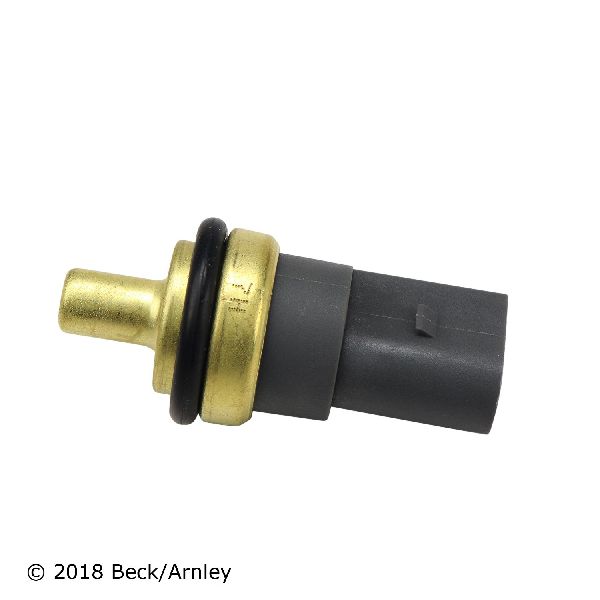
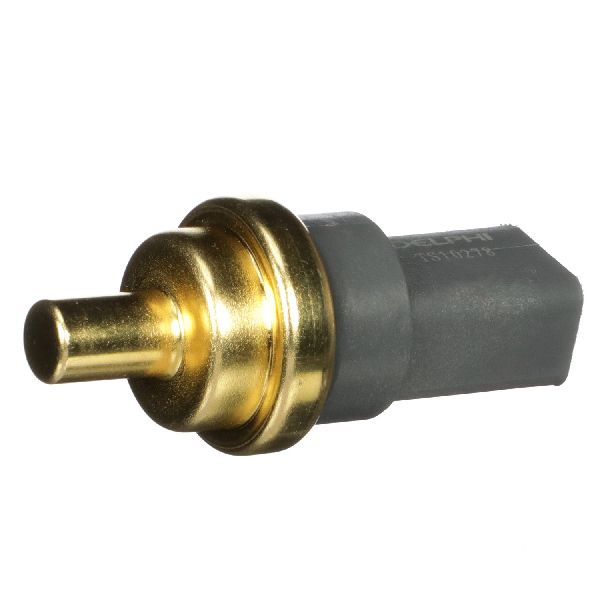
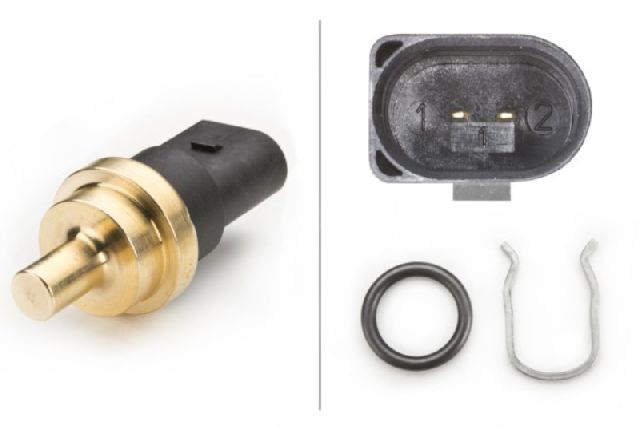
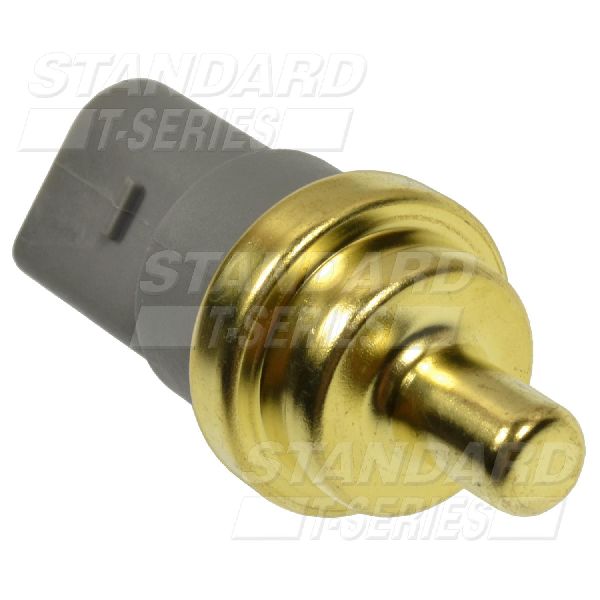
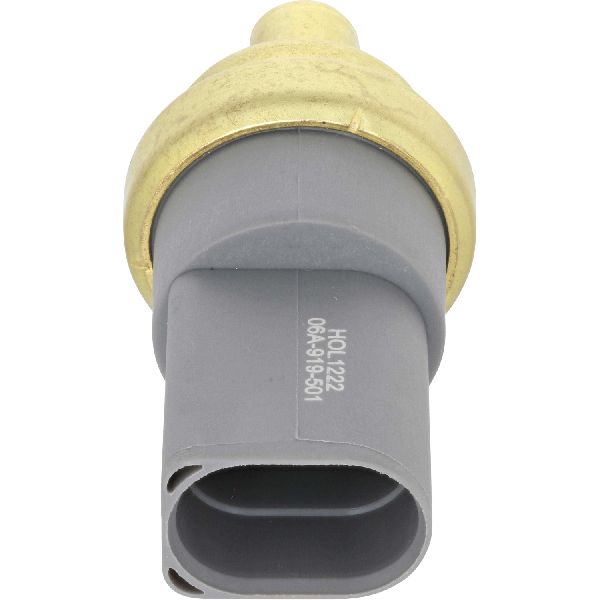
The sensor is a thermistor, which changes its electrical resistance based on temperature. The ECU reads this change in resistance to determine coolant temperature. Most sensors use a 2-pin or 4-pin connector and are sealed with a rubber O-ring and held in place by a plastic or metal clip.
We Have This Part in Stock


The information in this article is provided for general reference and educational purposes only. Vehicle specifications, procedures, and part compatibility can vary by production date, trim level, and region. Always consult your vehicle's factory service manual and verify part numbers before purchasing or performing repairs. Safety-critical components such as airbags, seat belts, and braking systems should be installed by a qualified professional.
- Audi S6: