

Ford Escape Engine Coolant Temperature Sensor: 2013-2023
A failing coolant sensor can cause serious engine problems in your Escape; here’s how to choose the right replacement.
- A bad ECT sensor can cause poor fuel economy, rough running, and overheating.
- Confirm whether your Escape needs an ECT or a CHT sensor, as they are different parts with similar symptoms.
- For reliability, choose an OEM Motorcraft or a premium aftermarket brand like Standard Ignition or NGK.
- The location varies by engine (1.5L, 1.6L, 2.0L, 2.5L), so verify fitment before buying.
Symptoms of a Bad Coolant Temperature Sensor in a Ford Escape
When the Engine Coolant Temperature (ECT) sensor in a 2013-2023 Ford Escape starts to fail, it can cause a range of confusing problems. Because the engine's computer relies on this sensor for critical data, a bad signal can make the engine behave poorly. You might notice your temperature gauge on the dashboard giving strange readings, either staying on cold, jumping to hot unexpectedly, or fluctuating wildly. Other common signs include a noticeable drop in fuel mileage, the engine running rough or idling poorly, and sometimes even black smoke coming from the exhaust pipe. In many cases, a faulty ECT sensor will trigger the Check Engine Light.
Cylinder Head Temperature (CHT) vs. Engine Coolant Temperature (ECT)
Some Ford Escape engines, particularly the 1.6L and 1.5L EcoBoost, use both an ECT sensor and a Cylinder Head Temperature (CHT) sensor. The CHT sensor is threaded directly into the cylinder head and measures metal temperature as a failsafe, while the ECT measures coolant temperature. They are different parts and are often confused. A failure in either can cause similar symptoms, like limp mode or false overheating warnings, so it's crucial to diagnose the correct sensor before ordering a replacement.
Choosing the Right Aftermarket Sensor
When replacing the ECT sensor, you have options ranging from the original Ford part to various aftermarket brands. Quality can vary, and for a critical sensor like this, it's often worth choosing a reputable brand.
- Premium Aftermarket (Recommended): Brands like Motorcraft (the OEM supplier), Standard Ignition (SMP), and NGK/NTK are known for their reliability and are often built to the same standards as the original part. They provide the highest likelihood of a long-lasting repair without issues.
- Quality Aftermarket: Brands such as Four Seasons, Walker Products, and Holstein offer a good balance of quality and price. They are reputable manufacturers in the aftermarket world and are a solid choice for most repairs.
- Economy Brands: Value-focused brands like Global Parts or True Tech can get your vehicle back on the road for a lower cost. While they meet basic functional requirements, their long-term durability may not match that of premium brands.
| Part Type | Estimated Cost |
|---|---|
| New OEM (Motorcraft) | $45 - $85 |
| New Aftermarket | $10.36 - $83.25 |
| Shop Labor | $80 - $150 |
Common Ordering Mistake
The 2013-2023 Ford Escape was available with several engines (1.5L, 1.6L, 2.0L, 2.5L). The location and part number for the ECT sensor can differ between these engines. Always verify the correct part for your specific engine size and model year before purchasing to avoid returns and delays.
Known Issues, Recalls, and TSBs
While there are no direct recalls for the ECT sensor itself, the 2013-2019 Ford Escape with the 1.6L and 2.0L engines has been subject to several cooling system-related recalls and owner complaints. A 2012 recall (NHTSA #12V431000) addressed a freeze plug on 1.6L engines that could dislodge and cause a sudden loss of coolant. Another recall (NHTSA #26V011000) for 2013-2019 Escapes with the 2.0L engine involves the engine block heater, which can crack and leak coolant, posing a fire risk when plugged in. These issues highlight the importance of maintaining the cooling system and addressing any sensor-related faults promptly to prevent engine damage.
Frequently Asked Questions (FAQ)
Where is the engine coolant temperature sensor located on a Ford Escape?
The location varies by engine. On the 2.0L EcoBoost, it's often found on the back side of the engine, requiring removal of the airbox for access. On the 1.5L and 1.6L engines, it is typically located near the thermostat housing or on a coolant outlet flange, sometimes under the intake manifold. Due to the difficult access on some engines, replacement can be challenging.
What are the common trouble codes for a bad ECT sensor?
Common Diagnostic Trouble Codes (DTCs) associated with a failing ECT sensor include P0115, P0116, P0117 (sensor circuit low), P0118 (sensor circuit high), and P0128 (Thermostat/Coolant Temperature below regulating temperature). A P1299 code (Cylinder Head Over Temperature) can also be triggered, often putting the vehicle into a low-power "limp mode".
Is it difficult to replace the ECT sensor myself?
For most engines, it is a DIY-feasible job for someone with basic mechanical skills. The main challenges are accessing the sensor, which may require removing the airbox or other components, and dealing with coolant loss. The sensor itself is usually held in by a small clip or threaded into place. The estimated time is under one hour, not including coolant refilling and bleeding procedures.
Should I use an OEM Motorcraft sensor or is aftermarket okay?
While many aftermarket parts work well, the ECT sensor provides critical data to the engine computer. Using the OEM Motorcraft part or a premium aftermarket brand like Standard Ignition or NGK is highly recommended for fitment and reliability. Economy parts can sometimes provide inaccurate readings or fail prematurely, leading to the same problems you were trying to fix.
Technical Specifications
OEM Part Numbers: AU5Z12A647B AU5Z12A647A DY1160 7L5Z-6G004-A 8S4Z-6G004-A
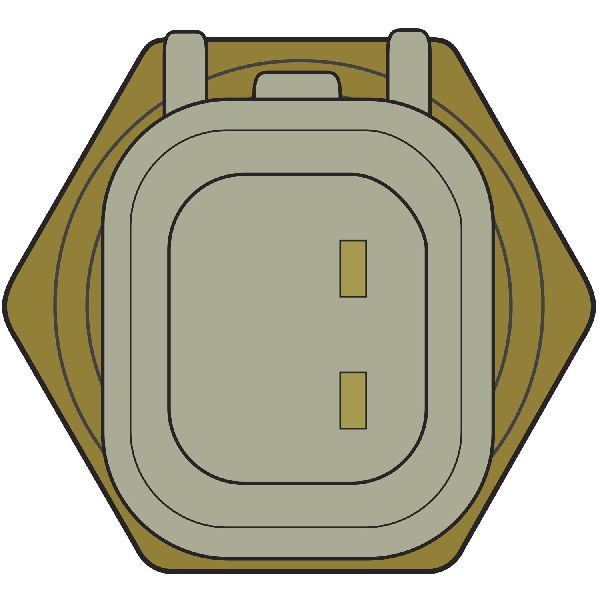
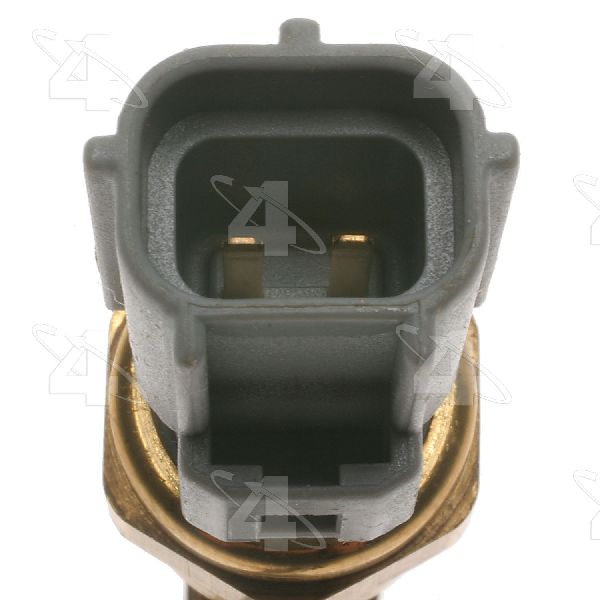
2-pin connector, typically held in with a retaining clip or threaded. Varies by engine type.
We Have This Part in Stock


The information in this article is provided for general reference and educational purposes only. Vehicle specifications, procedures, and part compatibility can vary by production date, trim level, and region. Always consult your vehicle's factory service manual and verify part numbers before purchasing or performing repairs. Safety-critical components such as airbags, seat belts, and braking systems should be installed by a qualified professional.
- Ford Escape: