

Ford Escape Engine Cylinder Head Temperature Sensor Guide (2013-2023)
Getting false overheating warnings on your Ford Escape? It could be this sensor.
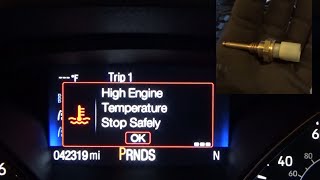
- A sudden, false overheat warning is the #1 symptom of a failed CHT sensor on these Escapes.
- The most common trouble code is P1299, which means the engine's protection mode is active.
- This is a difficult part to replace due to its location; choosing a quality brand like SMP or NTK is recommended to avoid repeat repairs.
- This issue is separate from the major 1.6L engine overheating recalls, which addressed different root causes.
Understanding CHT Sensor Failure in Your Escape

If your 2013-2023 Ford Escape suddenly displays an "Engine Overheating" warning and goes into a low-power "limp mode," especially on a cold start, a faulty Engine Cylinder Head Temperature (CHT) sensor is a likely culprit. This sensor reads the engine's metal temperature, and when it fails, it often sends an incorrect, high-temperature signal to the computer. The computer then tries to protect the engine by cutting power, even if the engine isn't actually hot. This is a common issue that can be confusing, but it's usually the sensor itself or its wiring, not a true overheating engine.
Is There a Recall on the CHT Sensor?
This is a common point of confusion. While there have been significant recalls for 2013-2014 Ford Escapes with the 1.6L EcoBoost engine related to overheating and fire risk (Recalls 17S09, 13S12, 12S39), these recalls were not for a faulty CHT sensor. Instead, they addressed the root causes of overheating, such as coolant leaks and poor circulation. The CHT sensor's job was to detect the resulting high temperatures. So, while your vehicle may have been part of a recall, replacing the CHT sensor is a separate repair for a different problem.
A Note on 1.6L EcoBoost Engine Recalls
If you own a 2013-2014 Escape with the 1.6L engine, it is critical to ensure all safety recalls have been performed by a Ford dealer. These recalls addressed serious fire risks caused by engine overheating. The CHT sensor failure is a separate issue from these specific recalls.
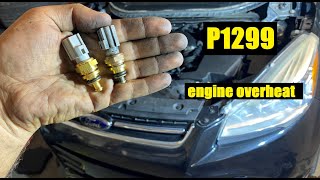
🎬 See how to fix the P1299 code on 1.6L engines.Choosing the Right Aftermarket CHT Sensor

Because this sensor is very difficult to access for replacement, choosing a quality part is critical to avoid doing the job twice. While an OEM part from Ford is a safe choice, high-quality aftermarket brands offer a reliable alternative for less money.
Here’s a breakdown of brand quality tiers for this specific part:
- Premium Aftermarket (Recommended): Brands like Standard Motor Products (SMP) and NTK have a strong reputation for producing reliable sensors that meet or exceed original specifications. Given the high labor cost for replacement, spending a few extra dollars on a premium part is a smart investment.
- Standard Aftermarket: A brand like Dorman falls into this category. Dorman sometimes improves on factory designs, but their quality can be inconsistent from part to part. It can be a viable option, but many technicians prefer premium brands for critical, hard-to-reach sensors.
- Economy Brands: Brands like Global Parts or other low-cost options are available. While the price is tempting, the risk of premature failure is higher. The potential cost of a second replacement job far outweighs the initial savings.
Pro Tip: Check the Connector
In some cases, the issue isn't the sensor but the wiring connector leading to it. The connector can become brittle from heat cycles. When replacing the sensor, always inspect the connector and wiring for any signs of damage, corrosion, or brittleness. Replacing a damaged connector pigtail at the same time is wise.
Typical Costs for Replacement
The sensor itself is not expensive, but the labor to replace it can be significant due to its difficult location at the back of the engine.
| Item | Estimated Cost |
|---|---|
| New OEM Sensor | $35 - $50 |
| New Aftermarket Sensor | $10 - $45 |
| Shop Labor | $150 - $300 |
| Total Professional Replacement | $160 - $345 |
Frequently Asked Questions (FAQ)

Where is the CHT sensor located on the Ford Escape?
The CHT sensor is typically threaded into the cylinder head at the back of the engine, often between the second and third cylinders. Access is extremely limited, requiring the removal of the upper cowl panel, windshield wipers, and air intake ducting on most engine models to reach it.
Can I replace the CHT sensor myself?
While possible, it is a difficult DIY job due to the sensor's location. It requires patience and the right tools to remove the cowl and other components for access. For inexperienced mechanics, this job is likely best left to a professional. The estimated time for a DIYer can be over 3 hours.
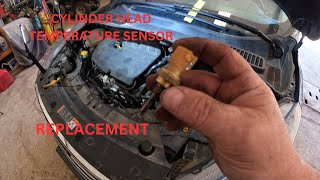
🎬 Watch this step-by-step 1.5L CHT sensor replacement walkthrough.What is the main trouble code for a bad CHT sensor?
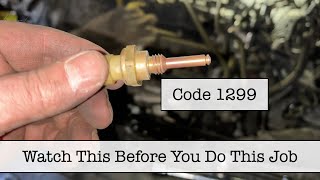
The most common Diagnostic Trouble Code (DTC) is P1299 - Cylinder Head Overtemperature Protection Active. This code confirms the computer has activated its fail-safe cooling strategy because of a signal from the CHT sensor.
🎬 Watch a technician diagnose the P1299 overtemperature protection code.Is a CHT sensor the same as a coolant temperature sensor?
No. The Ford Escape uses both. The CHT sensor measures the temperature of the metal cylinder head. The Engine Coolant Temperature (ECT) sensor measures the temperature of the engine coolant. They are two different parts with different functions and locations.
Helpful Videos
Technical Specifications
OEM Part Numbers: 9L8Z6G004A 9L8Z6G004B 9L8Z6G004D 9L8Z6G004E 9L8Z6G004F
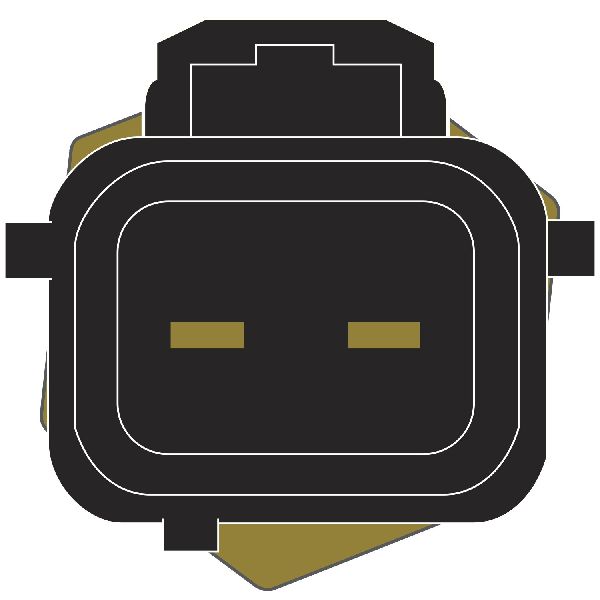
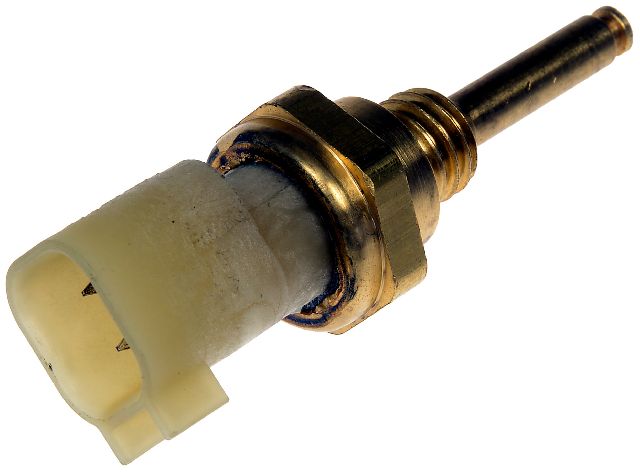
The CHT sensor is a thermistor that screws directly into a dry port in the engine's cylinder head. It does not use or come in contact with engine coolant.
We Have This Part in Stock


The information in this article is provided for general reference and educational purposes only. Vehicle specifications, procedures, and part compatibility can vary by production date, trim level, and region. Always consult your vehicle's factory service manual and verify part numbers before purchasing or performing repairs. Safety-critical components such as airbags, seat belts, and braking systems should be installed by a qualified professional.
- Ford Escape:
- 🎬 Helpful Videos
- 🛍️ Shop This Part
- Understanding CHT Sensor Failure in Your Escape
- Is There a Recall on the CHT Sensor?
- A Note on 1.6L EcoBoost Engine Recalls
- Choosing the Right Aftermarket CHT Sensor
- Pro Tip: Check the Connector
- Typical Costs for Replacement
- Frequently Asked Questions (FAQ)
- 🎟️ Get 5% Off