

Engine Camshaft Position Sensor Guide for 2013-2023 Jeep Cherokee
Solve stalling, rough idling, and starting problems by choosing the right camshaft sensor for your Cherokee.
- A failing camshaft sensor commonly causes stalling, hard starts, and a check engine light with codes P0340 or P0344.
- The replacement is DIY-friendly, often requiring only a single bolt to be removed and taking less than an hour.
- For reliability, choose an OEM Mopar sensor or a premium aftermarket brand like Delphi, NGK, or Standard Ignition.
- Some 2014 models were part of a TSB for extended crank times related to this specific sensor.
Is Your Jeep Cherokee Stalling or Hard to Start? It Could Be the Camshaft Sensor.

If your 2013-2023 Jeep Cherokee is experiencing issues like stalling, a rough idle, difficulty starting, or the check engine light is on, a faulty engine camshaft position sensor is a common culprit. This sensor is vital for engine timing, and when it fails, it can cause a range of noticeable problems. This guide will help you understand the symptoms, choose the right aftermarket replacement part, and know what to expect for repair costs.
Symptoms of a Failing Camshaft Position Sensor


A bad camshaft position sensor can make your Cherokee run poorly or even leave you stranded. Watch for these signs:
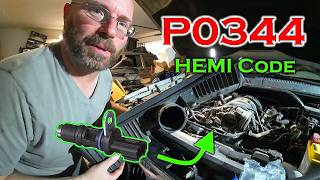
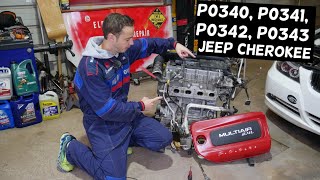
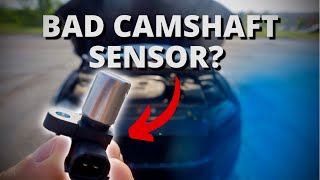
🎬 Watch this video to see common bad camshaft sensor symptoms.- Check Engine Light: This is often the first sign. The most common trouble codes are P0340 (Camshaft Position Sensor Circuit Malfunction) and P0344 (Camshaft Position Sensor Circuit Intermittent). 🎬 Learn how to diagnose and fix P0340 engine light codes.
- Engine Stalling: The engine may shut off unexpectedly while driving or when stopped at an idle.
- Hard Starting or No Start: The engine may crank for a long time before starting, or it may not start at all. This is because the computer doesn't know when to command fuel and spark.
- Rough Idle: The engine may shake or vibrate when the vehicle is stopped.
- Loss of Power: You might notice poor acceleration or a general lack of engine power because the ignition and fuel timing are incorrect.
Known Issues & Bulletins
Technical Service Bulletin (TSB) 18-054-14: Some 2014 Jeep Cherokee models with the 3.2L or 3.6L engine were subject to a TSB for an intermittent extended crank condition. The fix involved inspecting the serial number on the Bank 1 camshaft position sensor and replacing it if it began with the letter "D".
Technical Service Bulletin (TSB) 18-053-15: This bulletin addresses the diagnostic trouble code P0344. It notes that a MIL illumination could be caused by an intermittent signal from the Bank 1 sensor.
Recall 66A / 20V-475 (NHTSA 23V411000): While this recall is for the crankshaft position sensor on 2014-2020 Jeep Grand Cherokees with the 3.0L Diesel engine, it's relevant. The fix involves a software update so the vehicle can use the camshaft position sensor signal as a backup to prevent stalling if the crankshaft signal is lost. This shows the critical interplay between the two sensors.
Choosing the Right Aftermarket Camshaft Sensor

When replacing this sensor, you don't always need to buy the expensive OEM Mopar part. Many aftermarket brands offer reliable quality, often at a much lower price. However, quality can vary, so it's wise to choose a reputable brand. Forum discussions among Jeep owners often suggest that for critical sensors, sticking with Mopar or a top-tier aftermarket brand is the safest bet.
Brand Quality Tiers
- Premium Aftermarket (High Confidence): Brands like Delphi, Standard Ignition (SMP), and NGK/NTK are often considered top-tier choices. They have a strong reputation for producing sensors that perform like the original Mopar part. Some sources suggest NTK may even be the original equipment manufacturer for Mopar.
- Reputable Aftermarket (Good Confidence): Brands like Dorman, Hitachi, and Holstein offer a good balance of price and quality. They are direct-fit replacements and are widely available.
- Value Brands (Use with Caution): While brands like Walker Products or other lesser-known names are very affordable, their long-term reliability can be a gamble. For a sensor this critical, saving a few dollars might not be worth the risk of premature failure.
Pro Tip: Replace in Pairs?
Your Jeep Cherokee's engine (both the 2.4L and 3.2L) has two camshaft position sensors—one for the intake camshaft and one for the exhaust. While you only need to replace the one that has failed, if your vehicle has high mileage, it may be cost-effective to replace both at the same time, especially if you are paying for labor.
Camshaft Position Sensor Replacement Cost
The cost to replace a camshaft position sensor in a 2013-2023 Jeep Cherokee depends on whether you do it yourself or take it to a shop. The part itself is affordable, and the labor is straightforward for a mechanic.
| Item | Estimated Cost |
|---|---|
| New Aftermarket Sensor | $21 - $131 |
| New OEM (Mopar) Sensor | $50 - $150 |
| Shop Labor | $100 - $180 |
| Total (Shop Repair) | $121 - $311 |
Frequently Asked Questions (FAQ)
How many camshaft position sensors does my Jeep Cherokee have?
Both the 2.4L 4-cylinder and 3.2L V6 engines used in the 2013-2023 Jeep Cherokee have two camshaft position sensors. One monitors the intake cam, and the other monitors the exhaust cam.
Where is the camshaft position sensor located?
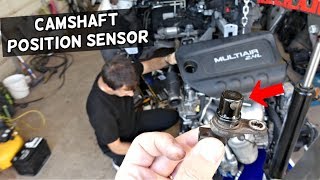
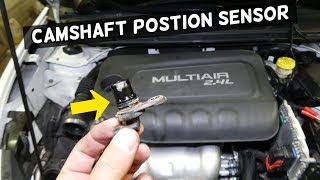
On the 2.4L engine, the sensor is on the right side of the engine, above the exhaust manifold, protected by a small heat shield. 🎬 See the 2.4L camshaft sensor location and replacement steps. On the 3.2L V6, the sensors are located on the top rear of the valve covers for each cylinder bank.
Can I replace this sensor myself?
Yes, this is a DIY-friendly repair for many owners. It typically involves removing the engine cover, disconnecting a wiring harness, and removing a single bolt (usually 10mm). The job can often be done in under an hour with basic hand tools.
Is an OEM Mopar sensor better than aftermarket for my Cherokee?
While Mopar sensors are guaranteed to fit and work, high-quality aftermarket brands like Delphi, NGK, or Standard Ignition offer similar reliability for less money. For critical sensors, it's best to avoid the cheapest options and stick with either OEM or a premium aftermarket brand to avoid future headaches.
What happens if I don't replace a bad camshaft sensor?
Ignoring a failing sensor can lead to worsening symptoms like frequent stalling (which is a safety risk), very poor fuel economy, and eventually a no-start condition, leaving you stranded. It can also potentially damage other components like the catalytic converter over time.
Helpful Videos
Technical Specifications
OEM Part Numbers: 05149141AF
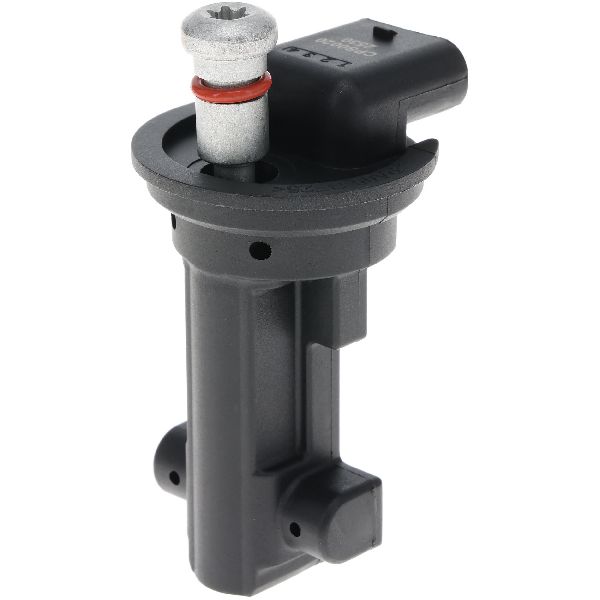
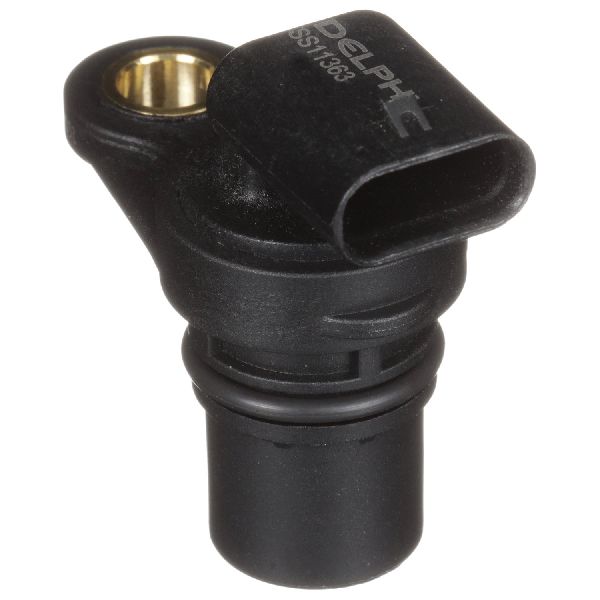
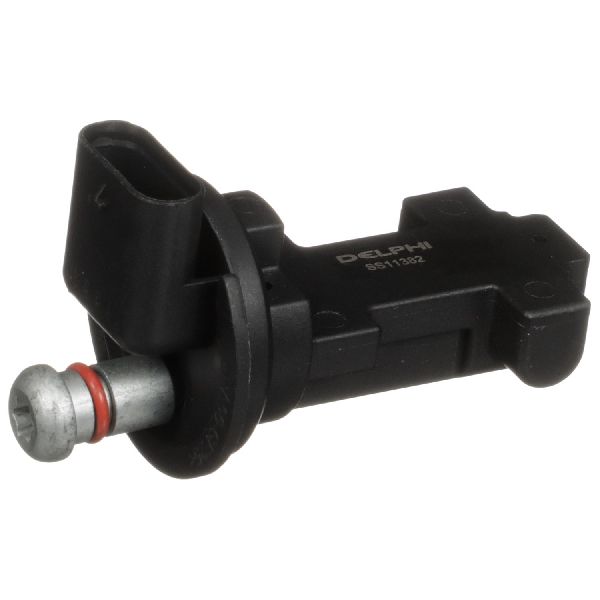
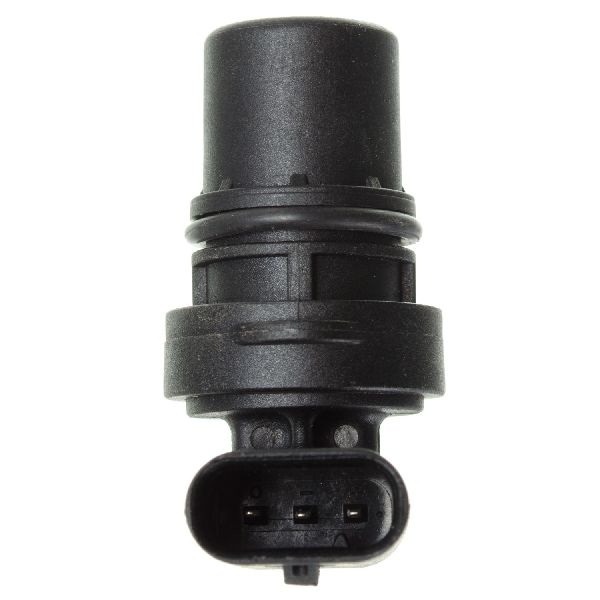
Typically a 3-pin or 4-pin Hall-effect sensor that reads the camshaft's position. The connector is usually a plug-in oval shape.
We Have This Part in Stock


The information in this article is provided for general reference and educational purposes only. Vehicle specifications, procedures, and part compatibility can vary by production date, trim level, and region. Always consult your vehicle's factory service manual and verify part numbers before purchasing or performing repairs. Safety-critical components such as airbags, seat belts, and braking systems should be installed by a qualified professional.
- Jeep Cherokee:
- 🎬 Helpful Videos
- 🛍️ Shop This Part
- Is Your Jeep Cherokee Stalling or Hard to Start? It Could Be the Camshaft Sensor.
- Symptoms of a Failing Camshaft Position Sensor
- Known Issues & Bulletins
- Choosing the Right Aftermarket Camshaft Sensor
- Brand Quality Tiers
- Pro Tip: Replace in Pairs?
- Camshaft Position Sensor Replacement Cost
- Frequently Asked Questions (FAQ)
- 🎟️ Get 5% Off