

A Guide to Replacing Spark Plugs on Your 2013-2023 Kia Rio
Keep your Kia Rio's 1.6L engine running smoothly by knowing when and how to change your spark plugs.
- Stick with Iridium spark plugs from brands like NGK or Denso for the best performance and longevity in your Rio's 1.6L engine.
- Symptoms like a rough idle, poor acceleration, and a drop in fuel economy are strong indicators that your spark plugs need replacement.
- This is a simple and inexpensive DIY job that can be done in under an hour with basic tools, saving you over $100 in labor costs.
- A flashing check engine light signals a severe misfire; pull over safely and have the vehicle inspected to prevent expensive catalytic converter damage.
Signs of Failing Spark Plugs in a Kia Rio

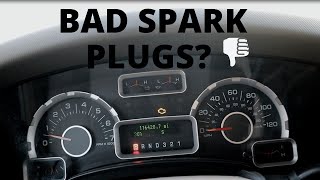
When your spark plugs are wearing out, your car will give you several warning signs. Because they are so important for combustion, a bad plug can make your engine run poorly. Look out for these common symptoms:
🎬 Watch: A visual guide to identifying symptoms of bad spark plugs.- Rough Idling: Your engine may shake or sound uneven when you're stopped.
- Poor Acceleration: The car may feel sluggish or slow to respond when you press the gas pedal.
- Reduced Fuel Economy: You might notice you're filling up your gas tank more often. Worn plugs lead to inefficient fuel burning.
- Engine Misfiring: The engine may stumble, hesitate, or shake during acceleration. This can cause the Check Engine Light to flash, which indicates a potentially serious problem.
- Difficulty Starting: Worn-out spark plugs can struggle to create the spark needed to start the engine, especially in cold weather.
Choosing the Right Aftermarket Spark Plugs

When it comes to replacing spark plugs on your Rio, you have options outside of the dealership. Aftermarket parts are often just as good as, and sometimes identical to, the original parts. The original equipment manufacturer (OEM) for Kia is typically NGK or Denso.
Here’s a breakdown of common aftermarket brands:
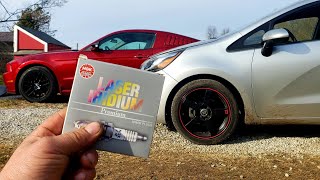
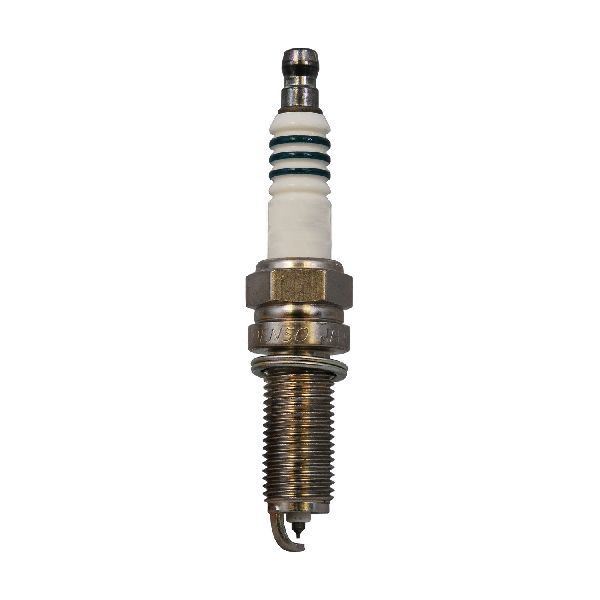
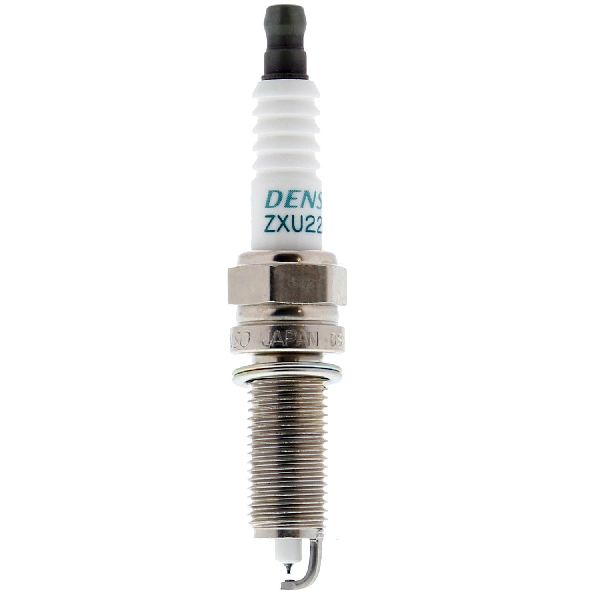
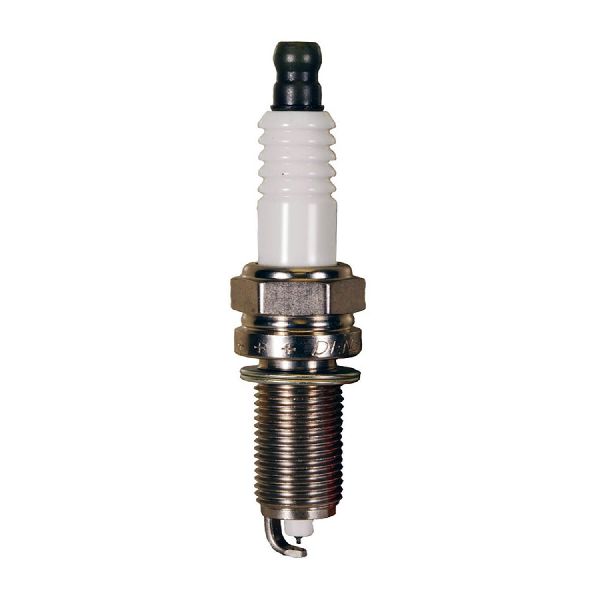
- Top Tier (OEM Equivalent): NGK and Denso are the most recommended brands for your Kia Rio. They are often the original factory-installed part. Choosing their Iridium plugs, like the NGK Laser Iridium or Denso Iridium, is a safe bet for long life and factory-spec performance.
- Reliable Mid-Grade: Bosch is a well-respected manufacturer that produces high-quality spark plugs, including Double Iridium models that offer long life and excellent performance. They are a solid alternative to NGK and Denso.
- Economical/Standard: Autolite and Champion offer good, budget-friendly options. Their Iridium XP (Autolite) or Iridium (Champion) plugs can provide good performance and durability at a lower cost than the top-tier brands. While they are reliable, their lifespan might not be as long as the premium options.
Pro Tip: Iridium is Worth It
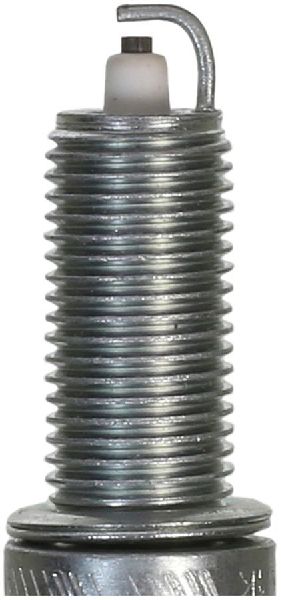
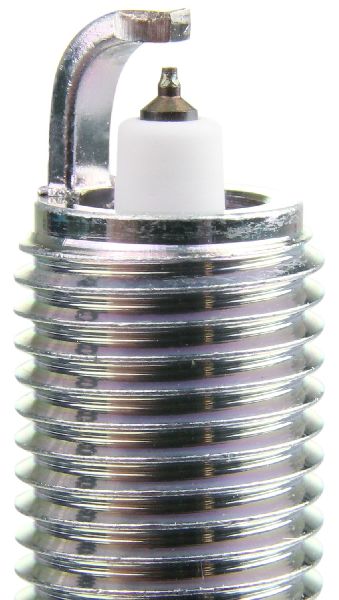
The 1.6L GDI engine in your Rio performs best with Iridium spark plugs. They last much longer (often up to 100,000 miles) and provide a more consistent spark than older platinum or copper plugs. While they cost more initially, their long service life makes them a better value over time.
Known Issues, Recalls, or TSBs

As of now, there are no specific recalls or widespread Technical Service Bulletins (TSBs) directly related to spark plugs for the 2013-2023 Kia Rio. However, there are several TSBs related to anti-theft software updates and ignition cylinder protection. There is also a significant recall for a potential electrical short in the Hydraulic Electronic Control Unit (HECU) that can cause an engine compartment fire, for which owners are advised to park outdoors until the repair is made. While not directly spark plug related, it's a critical safety issue for affected model years.
| Item | Price Range (Set of 4) |
|---|---|
| New Aftermarket Spark Plugs | $16.60 - $96.04 |
| Shop Labor for Installation | $113 - $166 |
| Total Professional Installation | $129 - $262 |
Frequently Asked Questions

How often should I replace the spark plugs on my Kia Rio?
For Iridium plugs, which are recommended for the 1.6L GDI engine, the typical replacement interval is between 60,000 and 100,000 miles. However, it's always best to check your owner's manual for the specific schedule for your model year.
Can I replace the spark plugs myself?
Yes, this is a very DIY-friendly job for the Kia Rio. The spark plugs are easily accessible on top of the engine after removing the plastic engine cover and ignition coils. With basic tools like a ratchet, extension, and a spark plug socket, most people can complete the job in under an hour.
🎬 See this detailed walkthrough for changing your Rio's 1.6L plugs.Do I need to gap the new spark plugs?
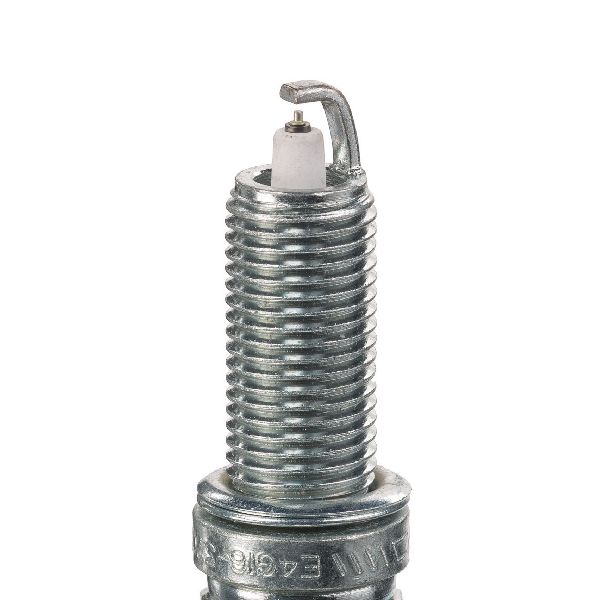
Most Iridium and Platinum spark plugs come pre-gapped from the factory and should not be adjusted, as you risk damaging the fine-wire tip. It's still a good idea to gently check the gap with a feeler gauge to ensure it matches the specification for your Rio (often around 0.040-0.044 inches, but confirm with your manual or part supplier). Do not force the gauge or pry on the electrode.
What tools do I need to change the spark plugs?
You will need a 10mm socket to remove the ignition coil bolts, a 5/8" (16mm) spark plug socket, a ratchet, and an extension. A torque wrench is highly recommended to tighten the new plugs to the correct specification (usually 13-16 ft-lbs) to avoid damaging the engine's aluminum cylinder head.
🎬 Watch: A quick and easy guide to replacing your spark plugs.Helpful Videos
![[DIY Car Maintenance] Quick & Easy Fix!✅ How to Replace Spark Plugs in 2012-2017 Kia Rio](https://img.youtube.com/vi/lWkJg9UxxIc/mqdefault.jpg)

Technical Specifications
OEM Part Numbers: 18846-10060 18868-08095
For the 1.6L Gamma GDI engine, an Iridium type spark plug is recommended. The socket size is typically 5/8" (16mm). Torque specification is crucial and is generally between 13-16 ft-lbs (18-22 Nm), but always verify with the plug manufacturer's instructions.
We Have This Part in Stock

The information in this article is provided for general reference and educational purposes only. Vehicle specifications, procedures, and part compatibility can vary by production date, trim level, and region. Always consult your vehicle's factory service manual and verify part numbers before purchasing or performing repairs. Safety-critical components such as airbags, seat belts, and braking systems should be installed by a qualified professional.
- Kia Rio: