

Lexus ES300h Engine Coolant Temperature Sensor: A Complete Guide for 2013-2023 Models
Understand the signs of a failing coolant temperature sensor in your ES300h and how to choose the right replacement part.
- For best results, choose the OEM supplier brand, Denso, for your replacement sensor.
- A bad coolant sensor can cause poor fuel economy, a check engine light, and even engine overheating.
- The replacement is DIY-friendly and can be done in under an hour with basic tools.
- While there is no sensor recall, check for other coolant leak campaigns on 2019-2021 models.
Is Your ES300h Acting Up? It Could Be the Coolant Sensor
A faulty Engine Coolant Temperature (ECT) sensor can cause a surprising number of problems with your Lexus. Because the car's computer relies on this sensor for critical information, a bad signal can make the engine run poorly. You might notice one or more of the following symptoms.
Common Failure Symptoms:
- Check Engine Light: This is often the first sign. The computer detects a problem with the sensor's signal and triggers the warning light.
- Poor Fuel Economy: If the sensor wrongly tells the computer the engine is cold, the computer will inject too much fuel, wasting gas.
- Black Smoke from Exhaust: A very rich fuel mixture, caused by a bad sensor, can result in black smoke from the tailpipe because the extra fuel isn't burning properly.
- Engine Overheating or Running Cool: A bad sensor can fail to trigger the cooling fans when needed, leading to overheating. Conversely, a code like P0128 can be triggered if the sensor reports that the engine isn't reaching operating temperature.
- Rough Idle and Poor Performance: The engine may run rough, hesitate, or feel sluggish because the fuel mixture and ignition timing are incorrect.
Related Cooling System Issues to Know
While there are no recalls for the ECT sensor itself, be aware of two related issues. Certain 2020 ES300h models were recalled for a porous engine block that could leak coolant. Additionally, Lexus created a "Customer Support Program" for some 2019-2021 ES300h models for a coolant leak from a flow shut-off valve. If you have coolant loss, investigate these possibilities as well.
Choosing the Right Aftermarket Sensor
When it comes to electronic sensors for a Lexus, quality matters. Using a low-quality part can send incorrect data to your car's computer, causing the same problems you were trying to fix. Here’s how the available brands generally stack up.
Tier 1: OEM Supplier (Recommended)
Denso: Denso is the Original Equipment Manufacturer (OEM) for this part, meaning they made the sensor that Lexus installed at the factory. Choosing a Denso-branded sensor is the safest way to get OEM quality without the dealership price tag. It will fit and function exactly like the original. Other brands in this tier would be a genuine Lexus part from the dealer.
Tier 2: Quality Aftermarket
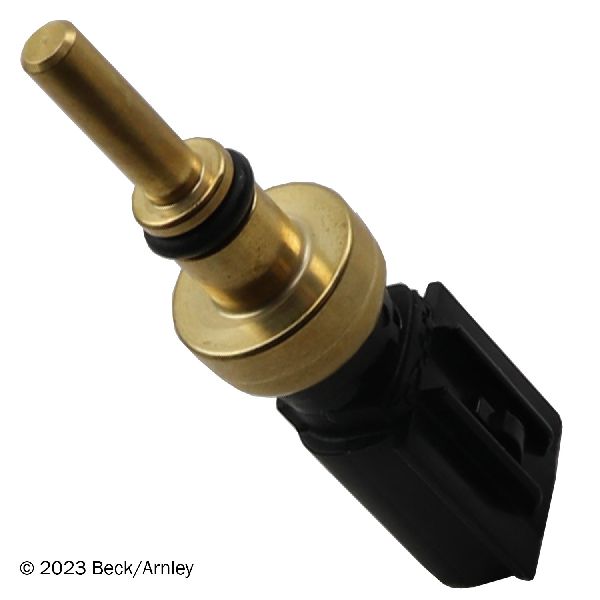
Delphi, Beck Arnley, NGK, Standard Ignition (SMP): These are well-known and respected aftermarket brands. Delphi is a major OEM supplier for many car manufacturers and produces high-quality components. Beck Arnley often sources parts from OEM suppliers, so you may even get a Denso part in their box. NGK and Standard Ignition have a long history of making reliable electronic parts. These are solid choices if a Denso sensor is not available.
Tier 3: Budget-Friendly
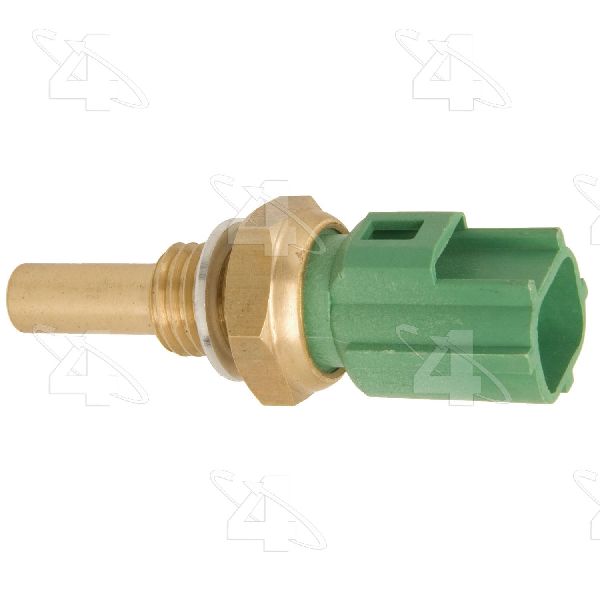
Four Seasons, URO Parts, Facet, Walker Products, etc.: These brands offer a lower price point. While they may function correctly, they are generally not built to the same strict standards as OEM suppliers. For a critical sensor like the ECT, spending a little more for a Tier 1 or Tier 2 brand is a wise investment to avoid future headaches.
Cost of Replacing the Sensor
| Part Type | Price Range |
|---|---|
| New OEM (Lexus) | $73 - $98 |
| New Aftermarket | $13 - $86 |
| Shop Labor | $50 - $100 |
A professional mechanic can diagnose and replace this sensor in under an hour.
Frequently Asked Questions
Is there a recall on the ES300h coolant temperature sensor?
No, there are no specific recalls or technical service bulletins (TSBs) for the engine coolant temperature sensor on the 2013-2023 Lexus ES300h. However, there have been other cooling system issues for certain model years, so it's always good to check your VIN on the NHTSA website.
Why is everyone saying to buy a Denso sensor?
Denso is the original manufacturer that supplies the part to Lexus. Buying a Denso-branded sensor ensures you get the same quality, fit, and performance as the part from the Lexus dealership, but often at a lower cost.
Can I replace the coolant temperature sensor myself?
Yes, this is a job that a DIYer with some experience can handle. The sensor is usually accessible after removing some plastic engine covers and the air intake ducting. You will lose a small amount of coolant, so have some Lexus-approved coolant ready to top off the system. The job typically takes less than an hour.
What happens if I ignore a bad coolant sensor?
Ignoring it can lead to persistently poor fuel mileage, failed emissions tests, and a rough-running engine. In a worst-case scenario, if the sensor fails to detect an overheating condition, it could lead to severe engine damage. It's a cheap part that protects a very expensive engine.
Technical Specifications
OEM Part Numbers: 89422-33030 89422-47010 89422-06010
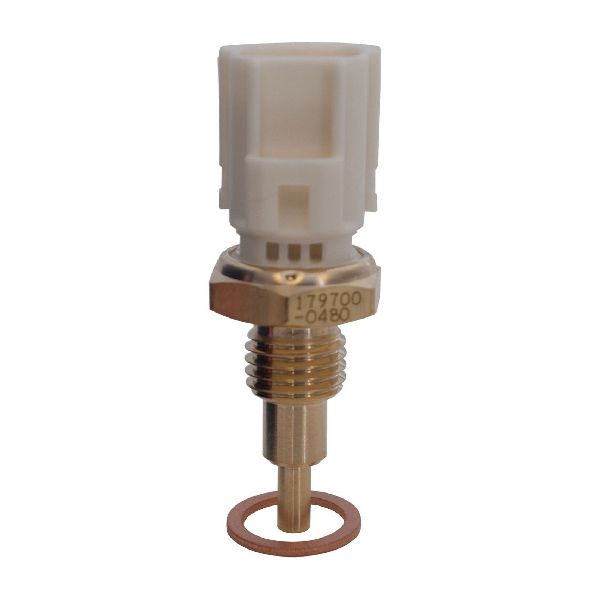
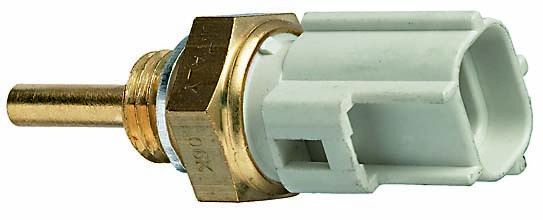
Typically a 2-pin sensor with a threaded body that installs into a coolant passage on the engine.
We Have This Part in Stock


The information in this article is provided for general reference and educational purposes only. Vehicle specifications, procedures, and part compatibility can vary by production date, trim level, and region. Always consult your vehicle's factory service manual and verify part numbers before purchasing or performing repairs. Safety-critical components such as airbags, seat belts, and braking systems should be installed by a qualified professional.
- Lexus ES300h:
- 🛍️ Shop This Part
- Is Your ES300h Acting Up? It Could Be the Coolant Sensor
- Common Failure Symptoms:
- Related Cooling System Issues to Know
- Choosing the Right Aftermarket Sensor
- Tier 1: OEM Supplier (Recommended)
- Tier 2: Quality Aftermarket
- Tier 3: Budget-Friendly
- Cost of Replacing the Sensor
- Frequently Asked Questions
- 🎟️ Get 5% Off