

Nissan Altima Radiator Guide: 2013 to 2023 Models
Keep your Altima's engine from overheating by understanding common radiator problems and how to choose the right replacement.
- The most common radiator failure on 2013-2023 Altimas is cracking of the plastic side tanks.
- You must use a radiator compatible with the CVT transmission to avoid catastrophic failure.
- Always use Nissan-specific blue long-life coolant to prevent corrosion and system damage.
- An aftermarket radiator from a reputable brand like Denso or Spectra can offer significant savings over OEM parts without sacrificing quality.
Is Your Altima's Radiator Failing?
A bad radiator can cause serious engine damage if you ignore the warning signs. For the 2013-2023 Altima, the most common failure point is the plastic tanks on the sides of the radiator. Over time, heat and pressure cause them to become brittle and crack. Look for these symptoms:
- Engine Overheating: The temperature gauge on your dash enters the red zone. This is the most direct sign your cooling system can't keep up.
- Coolant Leaks: You may find puddles of green, blue, or pink fluid under the front of your car. These leaks often come from small cracks in the plastic side tanks.
- Sweet Smell: A syrupy smell from the engine bay is a sign that coolant is leaking onto hot parts and burning off.
- Low Coolant Light: A persistent low coolant warning on your dashboard means the fluid is going somewhere it shouldn't.
- Transmission Problems: In severe cases, a failure inside the radiator can let coolant mix with transmission fluid. This creates a milky pink fluid and can quickly destroy your CVT transmission.
Choosing the Right Aftermarket Radiator
When replacing your Altima's radiator, you don't have to buy an expensive part from the dealer. Aftermarket brands offer a range of quality and price options. Some aftermarket brands are even the original equipment manufacturer (OEM) for Nissan.
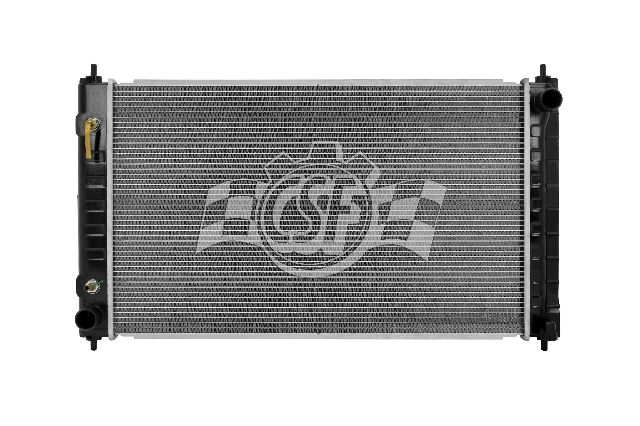
- Premium Brands (e.g., Denso, CSF Radiator): Denso is a well-known OEM supplier for many car makers, and their parts are known for quality and fit. CSF is another premium brand offering high-performance and direct-fit options. These are excellent choices if you want OEM-level or better quality.
- Standard/Value Brands (e.g., Spectra, Global Parts, One Stop Solutions): Brands like Spectra are considered a good balance of quality and price, often matching OEM specifications. They are a reliable choice for most daily drivers.
- Budget Brands (e.g., Onix): While the lowest price is tempting, be cautious. Budget radiators may use lower-quality materials that might not last as long. However, for a budget-conscious repair, they can be a viable short-term solution.
Cost to Replace a Nissan Altima Radiator
The cost can vary based on who does the work and the brand of the part. Here is a general breakdown:
| Part/Service | Estimated Cost |
|---|---|
| New Aftermarket Radiator | $97 - $306 |
| Shop Labor | $318 - $483 |
| Total Professional Replacement | $415 - $789 (Aftermarket Part) |
| New OEM Radiator (Part Only) | $901 - $931 |
Frequently Asked Questions (FAQ)
Are there any recalls for the 2013-2023 Altima radiator?
No, searches of the National Highway Traffic Safety Administration (NHTSA) database did not show any specific recalls for the radiator on 2013-2023 Nissan Altima models. However, many other recalls exist for this vehicle, so it's always a good idea to check your VIN.
🎬 Watch this overview of Altima recalls and common safety concerns.What type of coolant does my Altima need?
Your 2013-2023 Nissan Altima requires a specific blue-colored, long-life coolant. Nissan Genuine Long Life Antifreeze/Coolant (blue) or an equivalent Asian vehicle formula (HOAT or P-OAT) is required. Using the wrong type of coolant can cause corrosion and damage to the cooling system. Do not mix colors or types.
Can I replace the radiator myself?
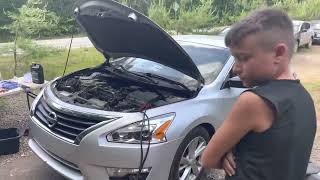
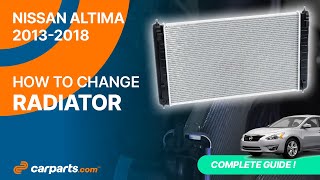
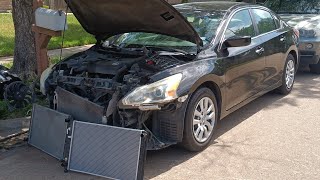
Yes, for someone with moderate mechanical skill and the right tools, replacing the radiator is a feasible DIY job. It involves draining the coolant, disconnecting hoses and electrical connectors, removing the fans, and potentially removing the front bumper cover 🎬 Follow this step-by-step guide to replacing your Altima's radiator. for access. It typically takes 2-4 hours. If you are not comfortable with this process, it is best to have it done by a professional 🎬 See how to replace the radiator on 2013-2018 2.5L models. mechanic.
What is the difference between a radiator and a condenser?
They look similar and are mounted next to each other, but they do different jobs. The radiator cools the engine coolant. The A/C condenser cools the refrigerant for your air conditioning system. When replacing the radiator, you will need to carefully detach the condenser and move it aside without disconnecting the A/C lines.
Helpful Videos

Technical Specifications
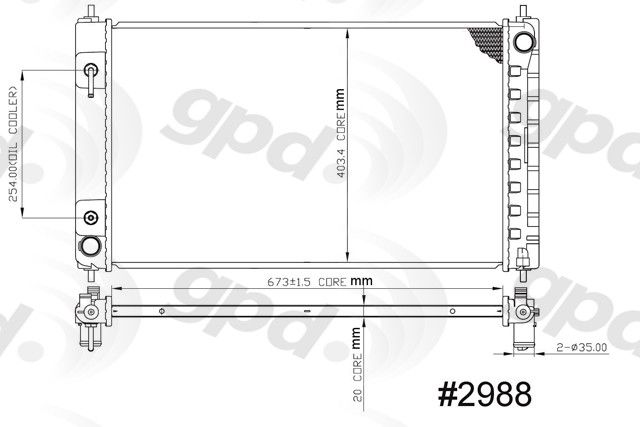
The radiator must have an integrated transmission oil cooler for models equipped with the CVT automatic transmission. The correct coolant type is a blue, phosphate-based, long-life formula specifically for Asian vehicles.
We Have This Part in Stock

The information in this article is provided for general reference and educational purposes only. Vehicle specifications, procedures, and part compatibility can vary by production date, trim level, and region. Always consult your vehicle's factory service manual and verify part numbers before purchasing or performing repairs. Safety-critical components such as airbags, seat belts, and braking systems should be installed by a qualified professional.
- Nissan Altima: