

A Guide to Oxygen Sensor Replacement for the BMW 330i (2013-2024)
Fix your check engine light and restore performance by understanding the oxygen sensors in your BMW 330i.
- A bad oxygen sensor is a common cause for a check engine light, poor fuel economy, and rough idling on a BMW 330i.
- You only need to replace the specific sensor that has failed; use a code scanner to identify it.
- NGK (NTK) is a trusted OEM-supplier brand for BMW, offering dealer quality at a lower price.
- Ignoring a faulty sensor can lead to more expensive repairs, including damage to the catalytic converter.
Understanding Oxygen Sensor Failure in Your 330i
When an oxygen sensor in your BMW 330i starts to fail, it can no longer accurately measure the oxygen in your exhaust. This is a common issue that can trigger your check engine light. The engine's computer may receive incorrect information, leading it to supply too much or too little fuel. This can cause a noticeable drop in fuel economy, a rough idle, and even a rotten egg smell from the exhaust. 🎬 Watch: How to identify common symptoms of a bad sensor. Over time, ignoring a bad oxygen sensor can lead to more serious and expensive problems, like damage to your catalytic converter.
Don't Ignore the Check Engine Light
A check engine light is the most common sign of a failing oxygen sensor. While the car may still drive, continuing to do so can cause poor performance, higher fuel consumption, and potential damage to other expensive emission components. It's best to diagnose and address the issue promptly.
Choosing the Right Aftermarket Oxygen Sensor
When it's time to replace an oxygen sensor, you have options outside of the expensive dealership parts department. For BMWs, choosing a quality aftermarket brand is key.
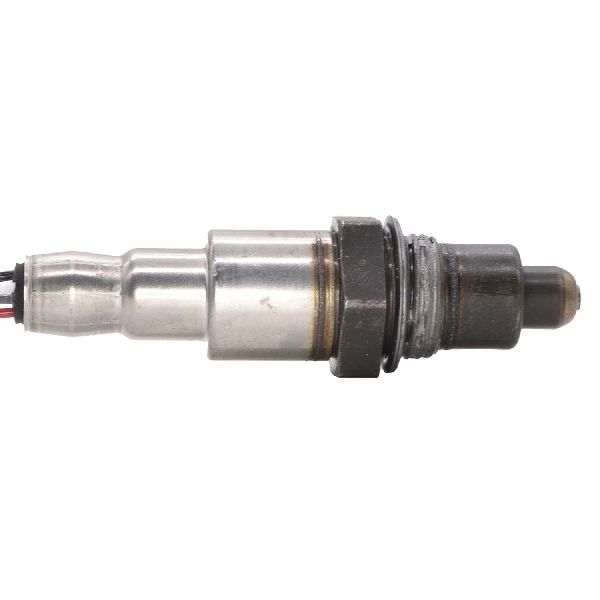
- NGK (NTK): NGK, which also operates under the NTK brand for sensors, is a well-regarded choice. They are often the original equipment manufacturer (OEM) for many car brands, including BMW. This means an NGK sensor is often identical to the part you would get from the dealer, just in a different box and at a lower price. They are known for their quality and reliability.
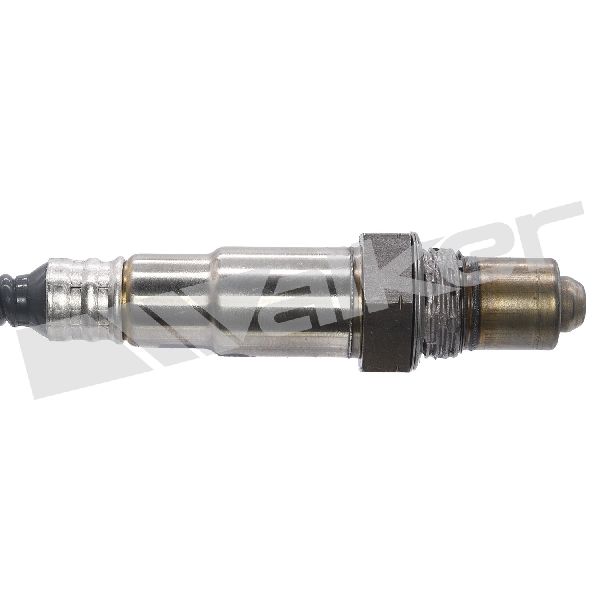
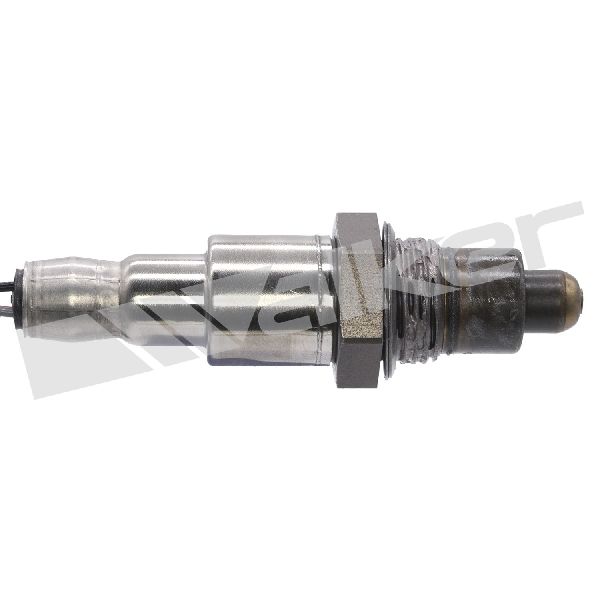
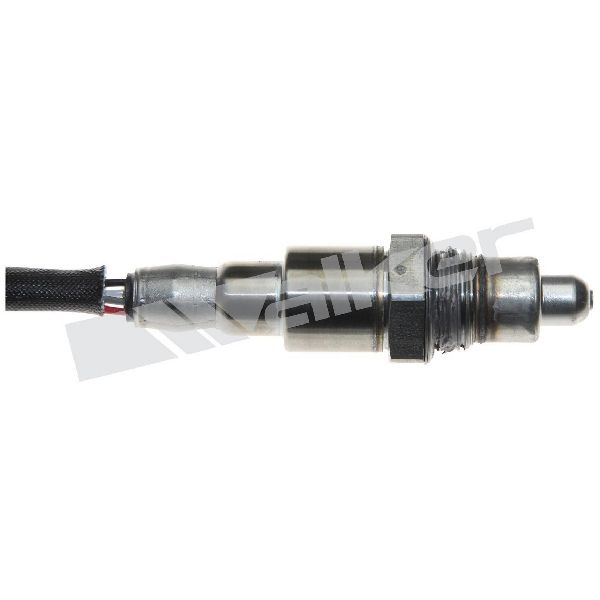
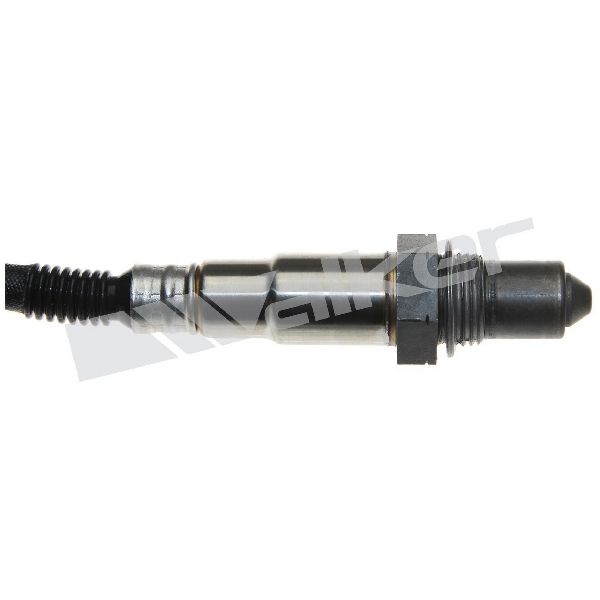
- Walker Products: Walker is another established aftermarket brand offering a balance of affordability and performance. While generally considered a budget-friendly option compared to NGK or OEM, they produce sensors that meet OEM specifications. For many owners, Walker provides a reliable repair without the premium price tag, though some forum users prefer to stick with OEM or OEM-equivalent brands for critical sensors on their BMWs.
OEM vs. Aftermarket Quality
For a vehicle like the BMW 330i, using a high-quality sensor is important. Brands like Bosch, Denso, and NGK/NTK are often original suppliers to BMW. Choosing one of these brands from an aftermarket source often gives you the exact same quality as the dealer part. While more budget-oriented brands like Walker can be effective, some mechanics and owners report mixed experiences and prefer the peace of mind that comes with an OEM-supplier brand.
Typical Replacement Costs
The cost to replace an oxygen sensor can vary widely based on which sensor has failed (upstream or downstream) and labor rates in your area. The parts themselves are available at different price points.
| Part Type | Typical Price Range |
|---|---|
| New OEM | $250 - $400+ per sensor |
| New Aftermarket (NGK, Walker) | $109.14 - $191.03 per sensor |
| Shop Labor | $100 - $300 per sensor |
Frequently Asked Questions
How many oxygen sensors does my BMW 330i have?
Most modern BMW 330i models with the 4-cylinder engine have two oxygen sensors: one upstream (before the catalytic converter) and one downstream (after the catalytic converter). The upstream sensor is used for fuel mixture control, while the downstream sensor monitors the efficiency of the catalytic converter.
Can I replace just one oxygen sensor?
Yes. You only need to replace the specific sensor that has failed. A diagnostic scan tool can read the trouble codes (like P0131, P0137, etc.) to tell you which sensor is causing the check engine light. 🎬 See how to diagnose a failed sensor using a scan tool. It is not necessary to replace them in pairs.
Is replacing an oxygen sensor a DIY job?
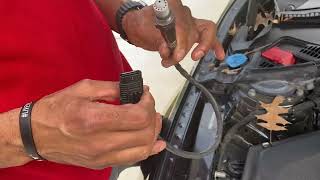
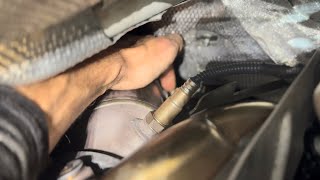
For a moderately skilled DIYer, yes. The upstream sensor is often accessible from the engine bay, while the downstream sensor may require getting under the car. You will need a special oxygen sensor socket with a slit for the wire. The sensors can sometimes be difficult to remove if they are seized in the exhaust pipe, so applying a penetrating oil beforehand is recommended.
🎬 Watch this step-by-step guide to replacing the sensor yourself.Are there any recalls or TSBs for 330i oxygen sensors?
Searches did not find any active, widespread recalls specifically for oxygen sensor failure on the 2013-2024 BMW 330i. However, some BMWs have had software-related issues that can incorrectly flag an oxygen sensor problem, and some models have had warranty extensions on sensors for certain issues. Always check with a dealer or use the NHTSA website with your VIN for the most current information.
Helpful Videos
Technical Specifications
OEM Part Numbers: 11788659971 11788631049 11788651104
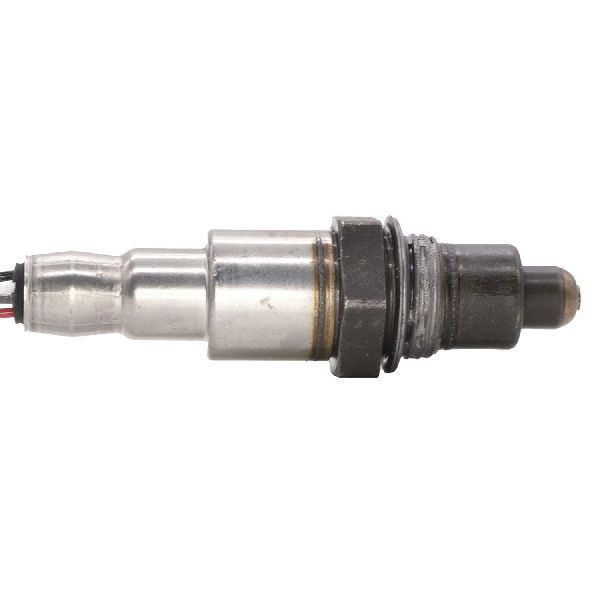
Your BMW 330i uses heated, 4-wire or 5-wire specific-fit oxygen sensors. The upstream sensor is a wide-band type for precise fuel control, while the downstream is a narrow-band type for catalyst monitoring. A 22mm (7/8") wrench or a special oxygen sensor socket is required for removal and installation.
We Have This Part in Stock

The information in this article is provided for general reference and educational purposes only. Vehicle specifications, procedures, and part compatibility can vary by production date, trim level, and region. Always consult your vehicle's factory service manual and verify part numbers before purchasing or performing repairs. Safety-critical components such as airbags, seat belts, and braking systems should be installed by a qualified professional.
- BMW 330i: