

Chevrolet Trax 2013-2024 Oxygen Sensor: A Complete Replacement Guide
Getting a Check Engine Light on your Trax? Here is what you need to know about replacing your oxygen sensor.
- The 2013-2022 (1.4L) and 2024+ (1.2L) Trax use different, non-interchangeable oxygen sensors.
- Before replacing parts for a P0420 code on a 2013-2015 Trax, check for TSB 18-NA-331, which may only require a software update.
- For 2024 models, check for TSB 24-NA-042 regarding a mis-routed wiring harness that can cause sensor failure.
- Stick with OEM or premium aftermarket brands like ACDelco, Denso, or NGK to avoid compatibility issues and ensure the check engine light turns off and stays off.
Understanding Oxygen Sensor Failure in Your Trax

The oxygen sensors on your Chevrolet Trax are designed to last a long time, but they can fail. This usually happens after 60,000 to 90,000 miles due to age or contamination from things like burning oil or coolant. When a sensor fails, it can't send the right information to your car's computer. This can cause a range of problems, from annoying to serious. It's important to address a failing oxygen sensor to avoid poor performance, bad fuel economy, and potential damage to your expensive catalytic converter.
Generation & Engine Differences: 2013-2022 vs. 2024
It is critical to buy the correct sensor for your specific Trax. There are two distinct generations with different engines.
- 1st Generation (2013-2022): These models use a 1.4L Turbo engine. They have their own specific upstream and downstream oxygen sensors.
- 2nd Generation (2024-Present): The redesigned 2024 Trax uses a smaller 1.2L Turbo engine. The oxygen sensors for this engine are completely different from the first generation and are not interchangeable.
Known Issues, Recalls, and Service Bulletins

While there are no specific recalls for oxygen sensors on the Trax, several Technical Service Bulletins (TSBs) are highly relevant.
- 2024 Trax (TSB 24-NA-042): Some early 2024 models may have the upstream oxygen sensor wire routed too close to the hot exhaust pipe. This can melt the wire, causing a Check Engine Light and various codes (P0132, P0137, P0171, etc.). The fix is to replace the sensor and ensure the new wire is routed safely away from the exhaust.
- 2013-2015 Trax (TSB 18-NA-331): If you have a P0420 code, don't rush to replace the catalytic converter or sensors. GM released a software update for the Engine Control Module (ECM) to fix a glitch that could falsely trigger this code. A GM dealer may need to perform this update. 🎬 See why you should check this before replacing your catalytic converter.
- 2020 Trax (N232395300): Some 2020 models had issues with a faulty evaporative emissions purge valve. This can cause a rough idle and Check Engine Light, symptoms that can be mistaken for a bad oxygen sensor.
Choosing the Right Aftermarket Oxygen Sensor

You don't have to buy the part from the dealer. Many aftermarket brands offer high-quality replacements. They generally fall into a few tiers.
- Tier 1 (OEM/Premium Aftermarket): ACDelco, Denso, NGK (NTK). These brands are either the original equipment manufacturer or have a reputation for equivalent quality and reliability. For a critical part like an O2 sensor, choosing from this tier is your safest bet to ensure the Check Engine Light stays off.
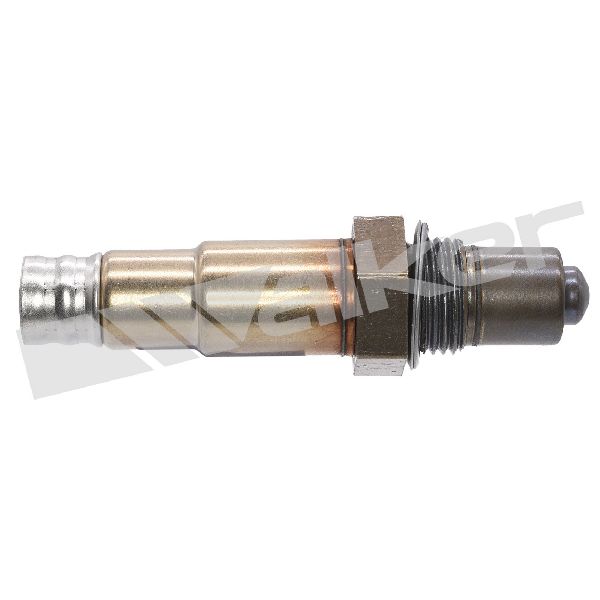
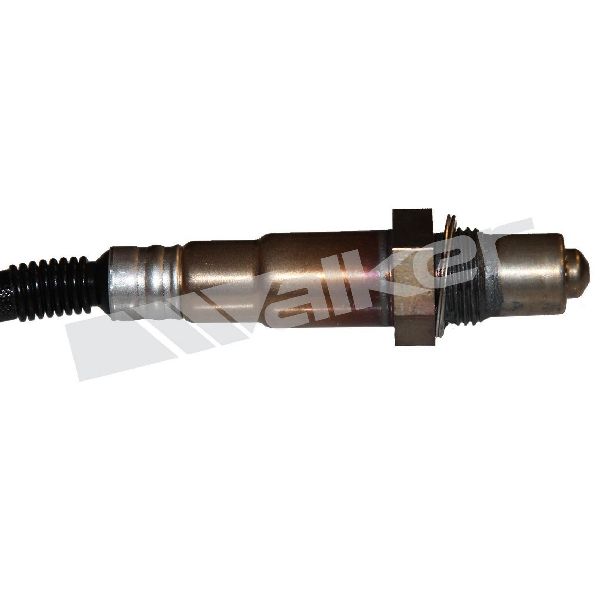
- Tier 2 (Quality Aftermarket): Bosch, Delphi, Walker Products. These are well-known brands that produce reliable parts. While some forum users have reported occasional issues with Bosch sensors on GM vehicles, they are a major OE supplier worldwide and generally a solid choice.
- Tier 3 (Economy): Spectra, DriveWire, and other store brands. These sensors are more affordable and can be a good option for a budget repair. However, be aware that cheaper sensors sometimes have a higher chance of failing early or not working correctly with the Trax's sensitive emissions system, potentially leaving the Check Engine Light on.
| Part Type | Estimated Cost |
|---|---|
| New OEM (Dealer) | $55 - $150 |
| New Aftermarket | $37 - $144 |
| Shop Labor | $75 - $110 |
Frequently Asked Questions

What tools do I need to replace a Trax oxygen sensor?
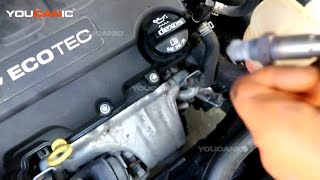
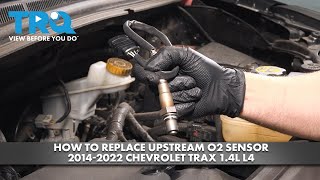
You will typically need a floor jack and jack stands, a ratchet, and a special oxygen sensor socket 🎬 Watch this walkthrough to see the tools and process in action. (a 22mm or 7/8" socket with a slit for the wire). You might also need a 10mm socket and a trim tool to remove underbody shields on some models.
Should I replace both sensors at the same time?
It's not required, but it can be a good idea. Oxygen sensors age at a similar rate. If one has failed due to high mileage, the other may not be far behind. Replacing them together can be good preventative maintenance.
My code is P0420. Is it the oxygen sensor?
Maybe, but be careful. A P0420 code means "Catalyst Efficiency Below Threshold." While a bad downstream (Sensor 2) O2 sensor can cause this, it often correctly indicates a failing catalytic converter. Before replacing parts, check for exhaust leaks and consider the TSB for 2013-2015 models about a software update.
What's the difference between upstream and downstream sensors?
The upstream sensor (Sensor 1) is located before the catalytic converter and is a primary input for controlling the engine's air-fuel ratio. The downstream sensor (Sensor 2) is after the catalytic converter and its main job is to monitor the converter's health. They are not interchangeable.
Helpful Videos

Technical Specifications
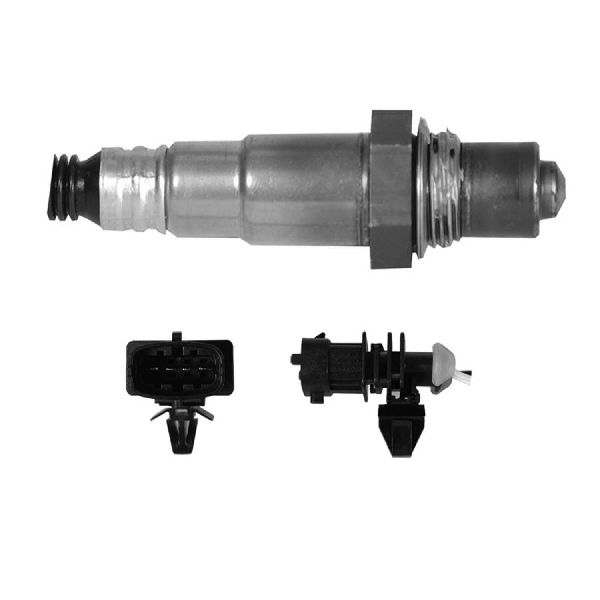
OEM Part Numbers: 55574135 55506886 25203197
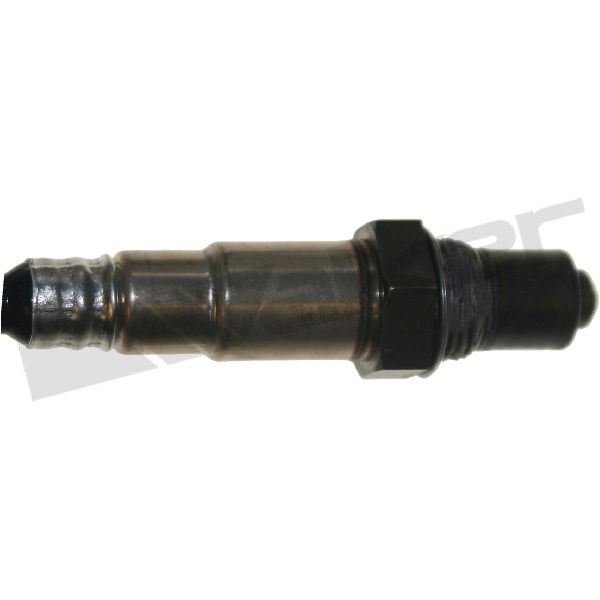
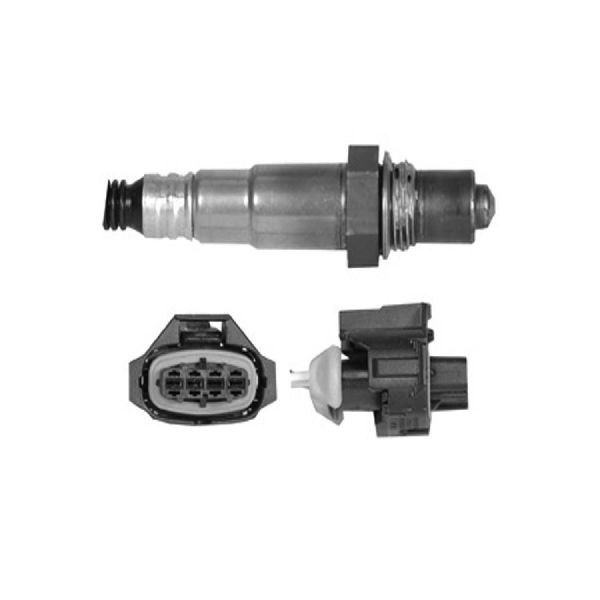
Fitment is specific to generation and position. Gen 1 (2013-2022) uses a 1.4L Turbo engine. Gen 2 (2024+) uses a 1.2L Turbo engine. Sensors are designated as Upstream (Sensor 1) or Downstream (Sensor 2).
We Have This Part in Stock


The information in this article is provided for general reference and educational purposes only. Vehicle specifications, procedures, and part compatibility can vary by production date, trim level, and region. Always consult your vehicle's factory service manual and verify part numbers before purchasing or performing repairs. Safety-critical components such as airbags, seat belts, and braking systems should be installed by a qualified professional.
- Chevrolet Trax: