

A Ford Expedition Owner's Guide to Oxygen Sensor Replacement (2013-2024)
Fix your check engine light and restore fuel economy by understanding your Expedition's oxygen sensors.
- For 2018-2021 models, check for Emission Recall 24E13 before replacing parts for a P0430 code, as a free software update may be the fix.
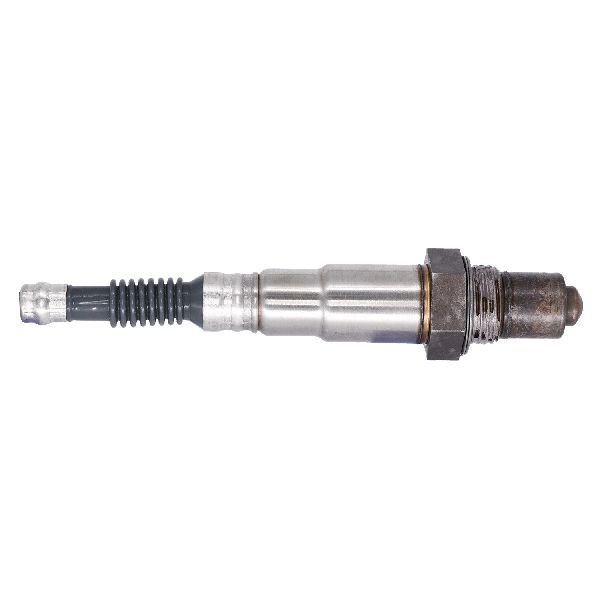
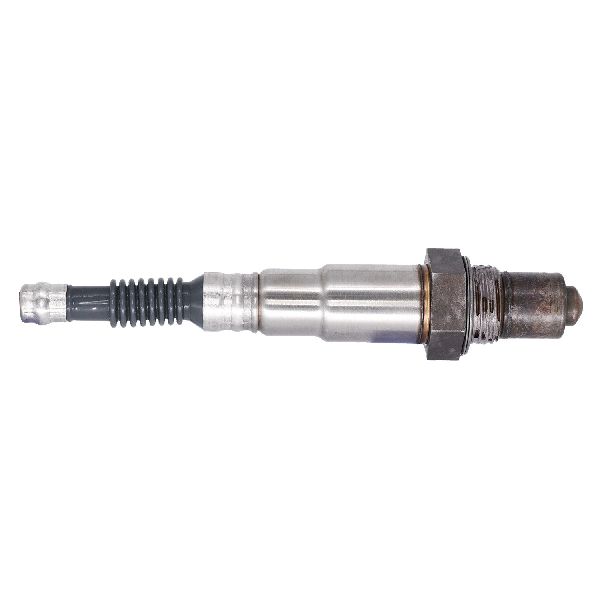
- Your Expedition has four O2 sensors; confirm if the failed sensor is upstream (before cat) or downstream (after cat) and on which bank (Bank 1/Passenger, Bank 2/Driver) before ordering.
- For best results and to avoid compatibility issues, use OEM (Motorcraft) or a known OE supplier like Denso or NTK, especially for the sensitive upstream sensors.
- A bad O2 sensor code doesn't always mean the sensor is bad. It can be triggered by exhaust leaks, vacuum leaks, or other engine issues.
Is a Bad Oxygen Sensor a Serious Problem?

A failing oxygen sensor won't typically leave you stranded on the side of the road, but you shouldn't ignore it. The initial symptoms are often just a check engine light and a drop in gas mileage. However, driving for too long with a bad sensor can cause more significant problems. An incorrect air-fuel mixture can lead to engine misfires, a rough idle, and hesitation when you accelerate. In the long run, a rich fuel mixture can overheat and destroy your catalytic converters—a very expensive repair.
Known Issue for 2018-2021 Ford Expeditions
Ford issued Emission Recall 24E13 for 2018-2021 Expeditions with the 3.5L engine. The vehicle's computer can incorrectly trigger a P0430 trouble code, making you think a sensor or catalytic converter has failed when it hasn't. The fix is a simple software update at a Ford dealership. Before replacing any parts on these model years for a P0430 code, check if this recall has been performed.
🎬 Watch: Diagnosing P0420 and P0430 codes on the EcoBoost engine.Symptoms of a Failing Oxygen Sensor

Your Expedition will usually let you know when an O2 sensor is starting to fail. Here are the most common signs:
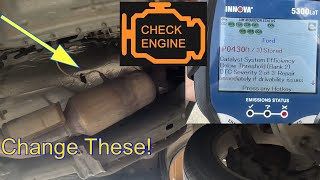
- Check Engine Light: This is the most common symptom. Codes like P0135, P0141, P0155, and P0161 point to a failure in the sensor's internal heater circuit. Codes P0420 or P0430 might indicate a failing sensor or a problem with the catalytic converter.
- Worse Fuel Economy: A bad sensor can cause the engine to run rich, using more fuel than necessary. You'll notice you're filling up the tank more often.
- Rough Idle or Misfires: An imbalanced air-fuel ratio can make your engine run poorly, especially when idling.
- Sluggish Acceleration: Your Expedition might feel hesitant or down on power when you press the gas pedal.
- Rotten Egg Smell: A strong sulfur smell from the exhaust means unburned fuel is getting into the catalytic converter, a sign the system is running too rich.
Choosing the Right Aftermarket Oxygen Sensor

When shopping for a replacement, you'll find several brands. For a sensitive part like an oxygen sensor on a modern engine like the 3.5L EcoBoost, quality matters. Some owners and mechanics report problems with budget-friendly aftermarket sensors on Ford vehicles.
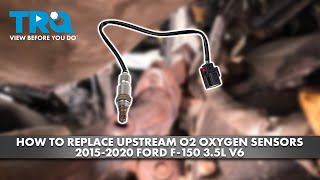
Pro Tip: Your Expedition has four oxygen sensors: two upstream (Bank 1 Sensor 1, Bank 2 Sensor 1) and two downstream (Bank 1 Sensor 2, Bank 2 Sensor 2). Bank 1 is the passenger side, 🎬 Watch this walkthrough for the passenger side upstream sensor. and Bank 2 is the driver side. 🎬 See how to replace the driver side upstream sensor. Always confirm the exact location of the failed sensor before ordering a new one, as they are not interchangeable.
Brand Quality Tiers
| Tier | Brands | Assessment |
|---|---|---|
| OEM / Premium OE | Motorcraft, Denso, NGK/NTK | Motorcraft is Ford's official brand and the safest choice for guaranteed compatibility. Denso and NTK are often the original equipment manufacturers for Ford, offering OEM quality, sometimes at a lower price. For the sensitive upstream sensors on EcoBoost models, sticking to this tier is highly recommended. |
| Quality Aftermarket | Bosch | Bosch invented the oxygen sensor and is a top-tier OE supplier for many European brands. However, some Ford owners have reported occasional compatibility issues or shorter lifespans with Bosch sensors compared to Motorcraft or Denso. They are generally reliable but may not be the first choice for every Ford application. |
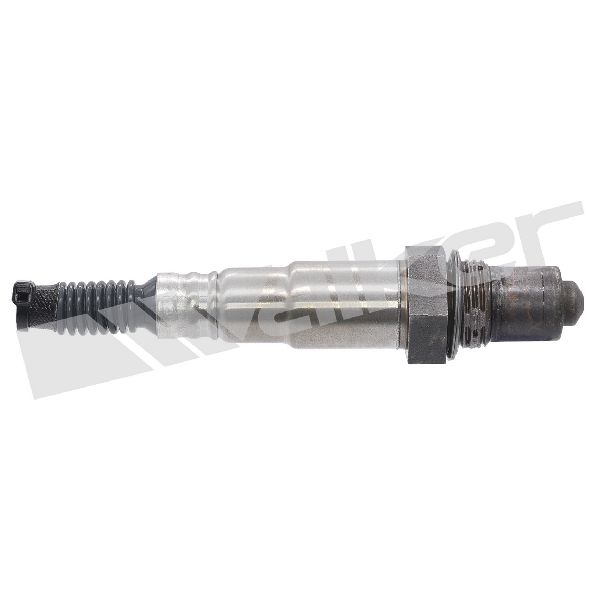
| Economy | Walker Products, DriveWire, Store Brands | These brands offer a budget-friendly price point. While they may work, they are generally considered lower quality. For a critical sensor, using an economy brand can be a gamble that might lead to premature failure or persistent check engine lights. |
Frequently Asked Questions (FAQ)

How many oxygen sensors does my 2013-2024 Expedition have?
All Ford Expeditions in this year range, whether with the 5.4L V8 or the 3.5L EcoBoost V6, have four oxygen sensors. There is one upstream (before the catalytic converter) and one downstream (after the catalytic converter) on each side of the exhaust (Bank 1 and Bank 2).
What's the difference between an upstream and a downstream sensor?
Upstream sensors (Sensor 1) measure the raw exhaust coming from the engine and are the primary sensors used to adjust the air-fuel ratio. Downstream sensors (Sensor 2) measure the exhaust after it has passed through the catalytic converter to check if the converter is working correctly. They are physically different and have different wire lengths, so you must order the correct one for the specific location.
Can I replace just one oxygen sensor?
Yes. You only need to replace the sensor that has failed. However, oxygen sensors have a similar lifespan. If one fails due to high mileage (over 80,000-100,000 miles), the others may not be far behind. Some mechanics recommend replacing them in pairs (both upstream or both downstream) to ensure balanced readings.
What is the most common mistake when ordering an O2 sensor?
The most common mistake is mixing up upstream and downstream sensors. They are not interchangeable. Another error is buying a "universal" sensor that requires you to splice wires. This can lead to a bad connection and cause the new sensor to fail or not work correctly. It's always better to buy a direct-fit sensor with the correct OE-style connector.
Why is my check engine light still on after replacing the sensor?
There could be several reasons. The new sensor could be faulty (especially if it's a low-quality brand), or the wiring connector could be damaged. It's also very common for the O2 sensor code to be a symptom of another problem, like a vacuum leak, exhaust leak, or a dirty MAF sensor. On 2018-2021 models, remember to check for the PCM recall (24E13) that can cause false codes.
Helpful Videos
Technical Specifications
OEM Part Numbers: DY-1328 (Upstream Right, 3.5L) DY-1303 (Upstream Left, 3.5L) DY-1627 (Downstream, 3.5L) DY-1181 (Downstream, 5.4L, '12-'14) DY-1185 (Upstream, 5.4L, '12-'14)
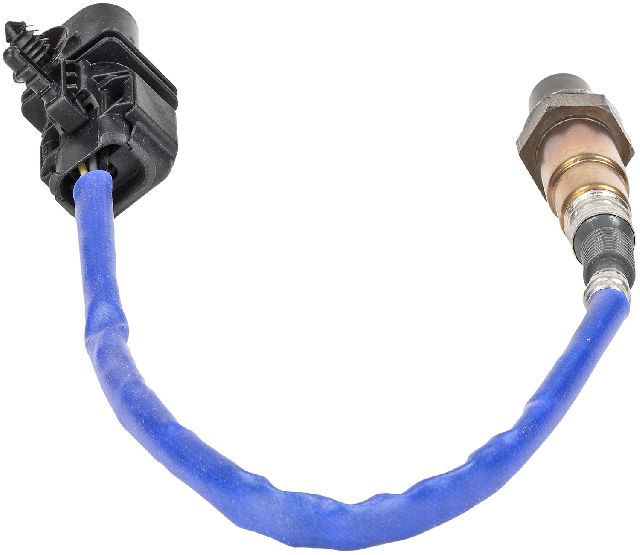
Total Number of Sensors: 4 (2 Upstream, 2 Downstream). Upstream sensors on 3.5L EcoBoost models are wideband type. Connectors are direct-fit and vary by location; universal splice-in sensors are not recommended.
We Have This Part in Stock


The information in this article is provided for general reference and educational purposes only. Vehicle specifications, procedures, and part compatibility can vary by production date, trim level, and region. Always consult your vehicle's factory service manual and verify part numbers before purchasing or performing repairs. Safety-critical components such as airbags, seat belts, and braking systems should be installed by a qualified professional.
- Ford Expedition: