

Ford Explorer Radiator Coolant Hose Guide (2013-2024)
Everything Ford Explorer owners need to know about replacing failing or leaking radiator coolant hoses.
- Radiator hose failure is a common issue that can lead to critical engine overheating.
- Check for leaks, but also be aware of related issues like the internal water pump on 3.5L engines and failing plastic hose connectors.
- High-quality aftermarket brands like Gates, Dayco, and Continental are reliable alternatives to OEM parts.
- If one hose fails from age, it's smart to replace both the upper and lower hoses as preventative maintenance.
Is Your Explorer's Radiator Hose Failing?

Radiator coolant hoses are made of rubber and are designed to handle extreme temperatures and high pressure. However, they don't last forever. Heat, oil, and age cause the rubber to become brittle, crack, or swell. For the 2013-2024 Ford Explorer, a hose failure is a serious issue that can quickly lead to engine overheating.
Symptoms of a Bad Radiator Hose

Spotting a failing hose early can save you from a much bigger repair bill. Here’s what to look for:
- Puddles of Coolant: Finding a puddle of green, orange, or yellow fluid under the front of your Explorer is a sure sign of a leak.
- Visible Hose Damage: Check your hoses for cracks, splits, or bulges. A swollen hose, often feeling soft or spongy, means it's oil-contaminated or internally damaged and about to fail.
- Engine Overheating: If your temperature gauge starts climbing into the red, a significant coolant leak from a burst hose could be the cause.
- Low Coolant Light: A persistent low coolant warning light on your dashboard means you're losing coolant somewhere in the system.
- Collapsed Radiator Hose: A radiator hose that is sucked flat when the engine is cool can be a sign of a bad radiator cap or a restriction in the system.
- Sweet Smell: The smell of hot coolant is distinct and sweet. If you smell this around your vehicle after driving, there's a leak.
Known Issues: More Than Just Hoses
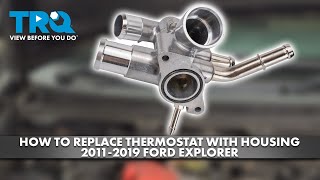
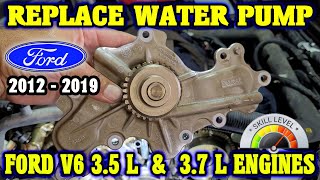
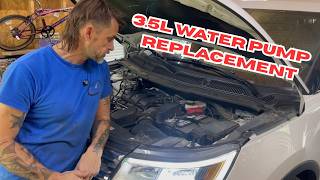
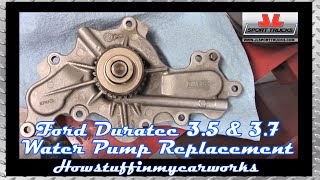
While hoses can fail on their own, Explorer owners should be aware of related cooling system issues. The 3.5L V6 is known for internal water pump failures, which is a major, expensive repair. Leaks from plastic 🎬 Watch: How to replace the water pump on Ford V6 engines. quick-connect fittings on heater hoses are also common. Sometimes, a leak may appear to be a hose but is actually from a cracked radiator end tank or a faulty thermostat housing.
Choosing the Right Aftermarket Hose

When replacing a radiator hose, you have a choice between OEM (Original Equipment Manufacturer) and aftermarket parts. For a part like a radiator hose on the Explorer, high-quality aftermarket brands offer a reliable and cost-effective alternative to dealer parts.
Here’s a look at the available brands:
- Gates: A well-known and generally trusted brand in the aftermarket. Many users find their products to be of good quality, and some NAPA-branded parts are actually made by Gates.
- Dayco: Another major player in the aftermarket. Some mechanics and DIYers prefer Dayco, noting that their hoses can sometimes be thicker or offer a better fit than other brands for specific applications.
- Continental: A long-standing brand with a reputation for quality, often considered an OEM supplier for many European vehicles. They are a solid choice for replacement hoses.
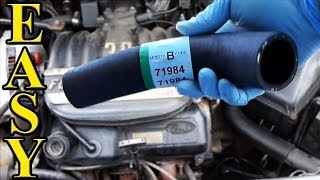
Pro Tip: When choosing an aftermarket hose, fitment is key. Compare the new hose to the old one to ensure all the bends and lengths match perfectly. It's also a good idea to replace the hose clamps at the same time you replace the hoses. Spring-style clamps are often preferred as they maintain constant tension as the hose expands 🎬 See this walkthrough on replacing upper and lower radiator hoses. and contracts with temperature changes.
Estimated Costs for Replacement
The cost can vary significantly depending on whether you do the job yourself or take it to a shop. A single hose is an inexpensive part, but shop labor and the need to drain and refill the coolant will add to the total cost.
| Part/Service | Estimated Cost |
|---|---|
| New Aftermarket Radiator Hose | $20 - $70 (per hose) |
| New OEM Radiator Hose | $75 - $125 (per hose) |
| Shop Labor | $162 - $237 |
| Total Professional Replacement | $250 - $650+ |
Note: The total replacement cost can be much higher if other components like the water pump are replaced at the same time.
Frequently Asked Questions

Should I replace all my coolant hoses at once?
If one hose has failed due to age, the others are likely not far behind. If your Explorer has over 80,000 miles, it is wise to replace the upper and lower radiator hoses, and inspect the smaller heater hoses, as preventative maintenance.
Is there a recall on Ford Explorer coolant hoses?
There are no specific recalls for the radiator hoses themselves. However, there have been recalls and TSBs for related cooling system parts, such as a block heater that can leak coolant and a transmission cooler that can contaminate coolant on some models. Always check for recalls using your vehicle's VIN on the NHTSA website.
Why is my new radiator hose collapsed?
A collapsed hose is usually caused by a vacuum in the cooling system. This often points to a faulty radiator cap that isn't allowing air to enter the system as it cools. It can also indicate a blockage or a leak elsewhere in the system.
What type of coolant does the 2013-2024 Ford Explorer use?
Coolant type is critical. Always check your owner's manual. Most 2013-2018 Explorers use Motorcraft Orange coolant. Newer models (approx. 2019+) use Motorcraft Yellow coolant. Using the wrong type or mixing coolants can cause damage to your cooling system. When in doubt, consult your manual or dealer.
Helpful Videos
Technical Specifications
OEM Part Numbers: BB5Z-8260-D BB5Z-8260-A L1MZ-8260-L DG1Z-8A505-A LB5Z-8K556-A
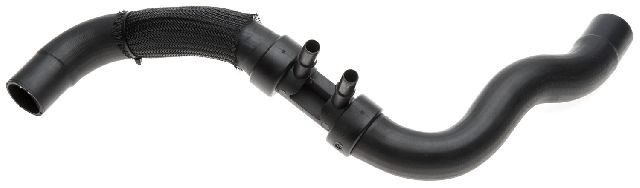
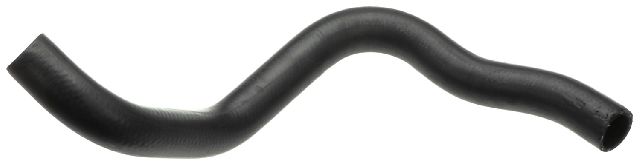
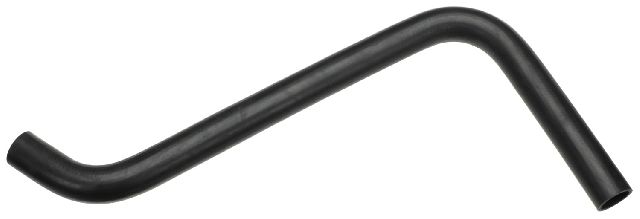
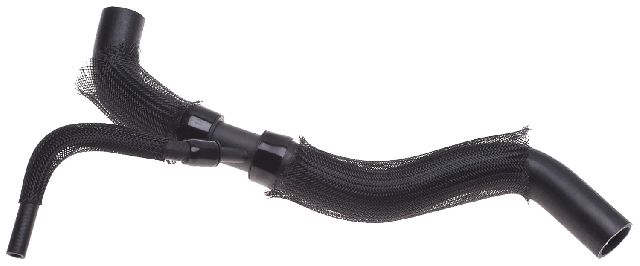
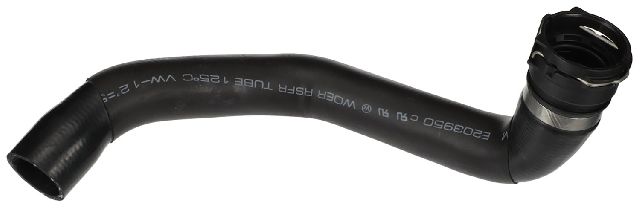
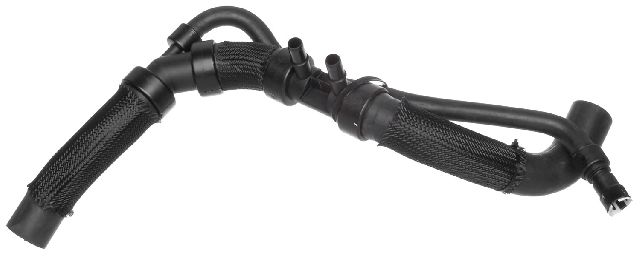
Radiator hoses for the 2013-2024 Ford Explorer are vehicle and engine-specific. They are pre-molded to fit the exact routing required. Materials are typically EPDM rubber to withstand high temperatures (-40°F to +257°F) and coolant chemicals. Some hoses may include integrated plastic connectors or branches for other cooling lines.
We Have This Part in Stock

The information in this article is provided for general reference and educational purposes only. Vehicle specifications, procedures, and part compatibility can vary by production date, trim level, and region. Always consult your vehicle's factory service manual and verify part numbers before purchasing or performing repairs. Safety-critical components such as airbags, seat belts, and braking systems should be installed by a qualified professional.
- Ford Explorer: