

A/C Compressor Guide for the 2013-2024 Honda Civic
If your Honda Civic's A/C is blowing warm, the compressor could be the problem, especially in 2016-2021 models known for A/C issues.
- For 2016-2021 Civics, check for A/C condenser and compressor seal warranty extensions with a Honda dealer before purchasing parts.
- A/C compressor failure is often a secondary problem caused by a refrigerant leak elsewhere in the system.
- When replacing the compressor, you must also replace the accumulator/drier and expansion valve, and flush the system to prevent repeat failure.
- Verify the correct refrigerant (R-134a or R-1234yf) and PAG oil type for your specific model year.
A/C System Issues in 2013-2024 Honda Civics
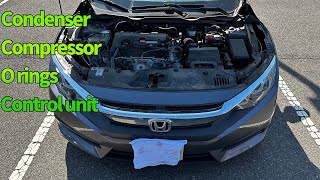
Owners of 10th generation Honda Civics (2016-2021) 🎬 Watch this overview of common 10th gen Civic A/C issues. have reported widespread air conditioning problems. The most frequent issue is a leaking A/C condenser, which was not manufactured to specification, causing tiny holes that allow refrigerant to escape. This leak leads to a loss of cooling performance. Because of this known defect, Honda extended the warranty on the A/C condenser for many of these vehicles to 10 years with unlimited mileage.
A leaking condenser directly impacts the A/C compressor. When refrigerant levels get too low, the compressor can be starved of lubricating oil, overheat, and fail. Additionally, Honda has also issued a warranty extension for leaking A/C compressor shaft seals on many 2016-2021 Civics, another common failure point. While these issues are most documented for 2016-2021 models, any Civic can experience compressor failure due to age, wear, or other system leaks.
Check Your Warranty First!
Before buying any parts, if you own a 2016-2021 Civic, contact a Honda dealership with your Vehicle Identification Number (VIN). Ask them to check for warranty extensions on the A/C condenser (TSB 19-091) and the A/C compressor shaft seal (TSB 23-039). A repair for these specific issues may be covered at no cost to you.
Symptoms of a Failing A/C Compressor
A bad A/C compressor will give you clear warning signs. The most obvious is warm air blowing from the vents when the A/C is on. You might also hear strange noises, like grinding or squealing, from the engine bay when you turn the A/C on. Another sign is if the compressor clutch, the part on the front of the pulley, doesn't engage or spin when the A/C is activated. Sometimes, the system may work intermittently before failing completely.
Choosing the Right Aftermarket A/C Compressor
When replacing your Civic's A/C compressor, you have a choice between OEM (Original Equipment Manufacturer) and aftermarket parts. Given the known issues with the original components on some model years, a quality aftermarket part can be a reliable and more affordable option.
- OEM Parts: Purchased from a Honda dealer, these are identical to the part your car came with. While they guarantee a perfect fit, they are the most expensive option, and for 2016-2021 models, you may be getting a part with the same original design flaws.
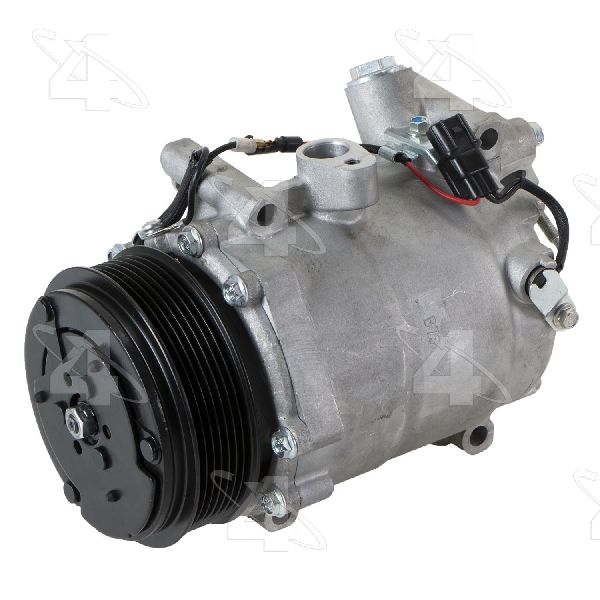
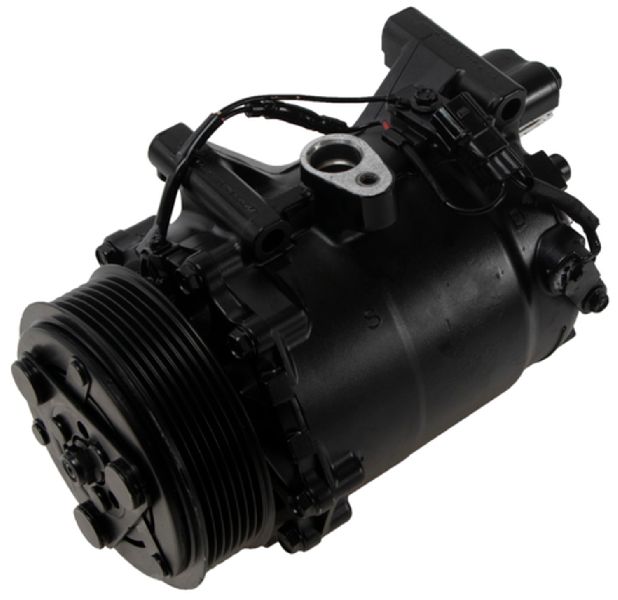
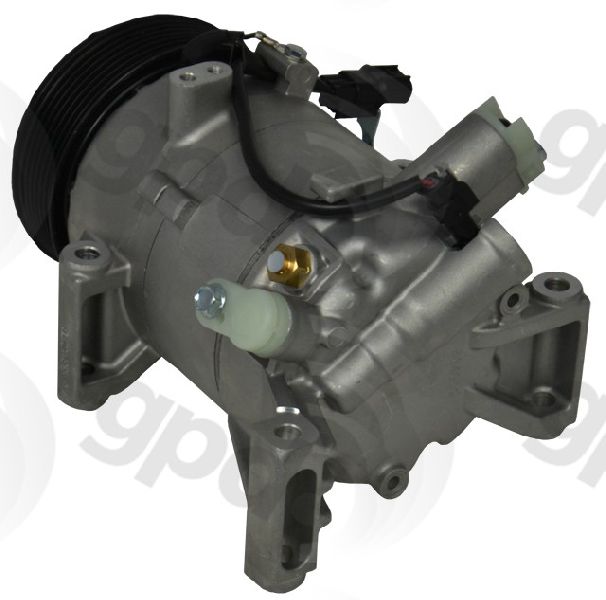
- Aftermarket Parts: Brands like Four Seasons and Global Parts specialize in A/C components. They often provide parts that meet or exceed original specifications. An aftermarket compressor kit is often the best value, as it typically includes the compressor, accumulator/drier, expansion valve, and necessary O-rings and seals. Replacing all these components at once is highly recommended to prevent contamination of the new compressor and ensure a long-lasting repair.
Always Replace System Components as a Kit
When a compressor fails, it can send metal debris throughout the entire A/C system. Simply replacing the compressor is not enough. You must also replace the accumulator (or receiver/drier) and the expansion device. You should also have the system flushed to remove any contaminants before installing the new parts. Failure to do so will cause your new compressor to fail quickly and will void its warranty.
Honda Civic A/C Compressor Replacement Cost
The cost to replace an A/C compressor varies by location and the parts you choose. The table below gives a general estimate.
| Part/Service | Estimated Cost |
|---|---|
| New Aftermarket Compressor | $228 - $600 |
| New OEM Compressor | $674 - $1,068 |
| Shop Labor & Recharge | $313 - $459 |
| Total Professional Replacement (Aftermarket) | $541 - $1,059 |
| Total Professional Replacement (OEM) | $987 - $1,527 |
Frequently Asked Questions (FAQ)
Why did my Civic's A/C compressor fail?
The most common cause is a leak elsewhere in the system, often the condenser in 2016-2021 models. 🎬 Learn why these specific Civic models face frequent A/C failure. This leak allows refrigerant and oil to escape. Without enough oil, the compressor's internal parts wear out and seize. Other causes include a failed clutch or a leaking shaft seal.
Can I just replace the A/C compressor clutch?
Sometimes, but it's often not worth it. If the clutch failed due to an internal compressor problem (like a seal leak contaminating the clutch), replacing only the clutch is a temporary fix. Given the labor involved, replacing the entire compressor assembly is usually the more reliable repair.
What refrigerant does my 2013-2024 Civic use?
It depends on the year. Generally, 2013-2015 Civics use R-134a refrigerant. Newer models, starting around 2016, use the newer R-1234yf refrigerant. Always check the sticker under your hood to confirm the correct type and amount of refrigerant and oil for your specific vehicle. Using the wrong type can damage the system.
Do I need to add oil when installing a new compressor?
Yes, this is critical. New compressors may come with or without a full charge of PAG oil. You must verify the amount of oil in the new compressor and add or drain it to match your vehicle's specifications. The correct oil type and amount are essential for lubricating the compressor and the entire A/C system.
Helpful Videos
Technical Specifications
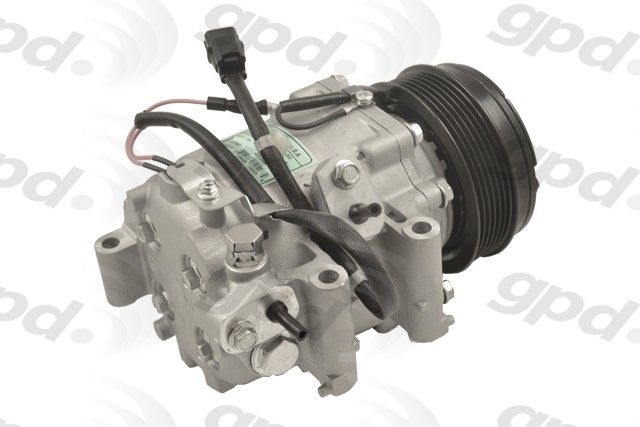
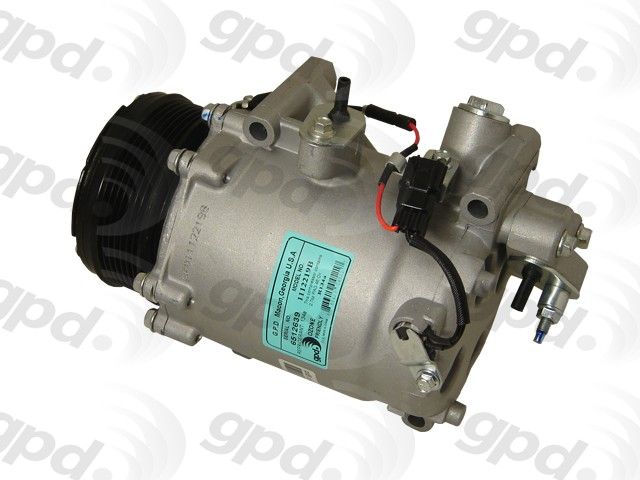
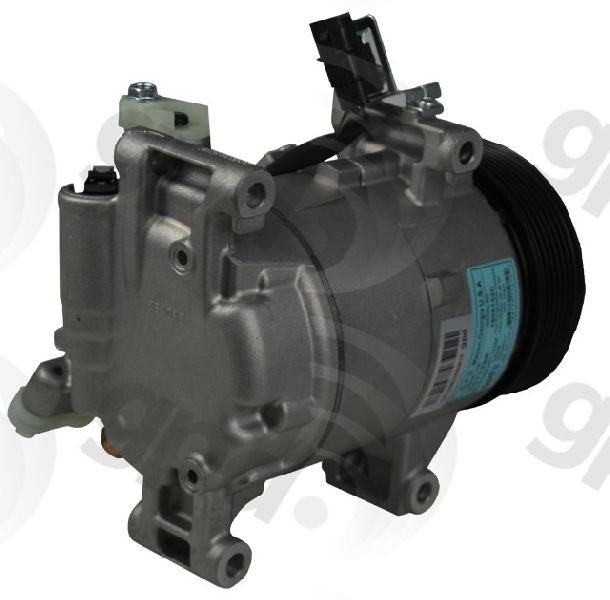
OEM Part Numbers: 38810R1BA02 388105BAA01 3881063AA01
Compressor Type: Varies by year (e.g., TRSE09). Clutch and pulley included. Refrigerant Type: R-134a (approx. 2013-2015) or R-1234yf (approx. 2016-2024). Oil Type: PAG 46 or equivalent.
We Have This Part in Stock

The information in this article is provided for general reference and educational purposes only. Vehicle specifications, procedures, and part compatibility can vary by production date, trim level, and region. Always consult your vehicle's factory service manual and verify part numbers before purchasing or performing repairs. Safety-critical components such as airbags, seat belts, and braking systems should be installed by a qualified professional.
- Honda Civic:
- 🎬 Helpful Videos
- 🛍️ Shop This Part
- A/C System Issues in 2013-2024 Honda Civics
- Check Your Warranty First!
- Symptoms of a Failing A/C Compressor
- Choosing the Right Aftermarket A/C Compressor
- Always Replace System Components as a Kit
- Honda Civic A/C Compressor Replacement Cost
- Frequently Asked Questions (FAQ)
- 🎟️ Get 5% Off