

A Guide to Lincoln Navigator Oxygen Sensors (2013-2024)
Understanding how to choose the right oxygen sensor is key to your Navigator's engine health and fuel economy.
- Verify your engine (5.4L V8 for 2013-14, 3.5L V6 for 2015-24) before buying.
- Choose direct-fit sensors from OEM-equivalent brands like Bosch, Denso, or NGK for best results.
- A failing O2 sensor can cause poor fuel economy, rough running, and will lead to a failed emissions test.
- Replacing a sensor is a feasible DIY job with a special O2 sensor socket, but rust can make it difficult.
Engine Differences Matter
The 2013-2024 Lincoln Navigator spans two different engine types, which affects your choice of oxygen sensor. Models from 2013-2014 primarily use the 5.4L V8 engine. From 2015-2024, the Navigator is equipped with the 3.5L EcoBoost V6 engine. Always confirm your specific engine before purchasing a part, as the sensors are not interchangeable.
Symptoms of a Failing Oxygen Sensor

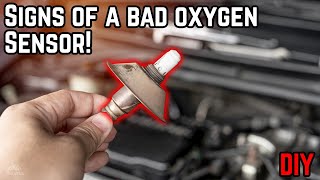
A bad oxygen sensor can cause several noticeable problems. The most common sign 🎬 Watch this guide on diagnosing common oxygen sensor symptoms. is the Check Engine Light illuminating on your dashboard. Other symptoms include poor fuel economy, a rough or shaky idle, engine hesitation or misfires, and even a bad smell from the exhaust. Ignoring these signs can lead to more severe damage, including failure of the expensive catalytic converters.
Don't Ignore the Check Engine Light
A Check Engine Light for an oxygen sensor code means the engine is not running efficiently. Prolonged driving can damage your catalytic converter, a much more expensive repair. A code reader can help you identify which specific sensor has failed. Common codes include P0130, P0150, P0171 (lean), P0172 (rich), and P0420/P0430 (catalyst efficiency).
Choosing the Right Aftermarket Oxygen Sensor

When replacing an oxygen sensor, you have a choice between OEM (Original Equipment Manufacturer) and aftermarket parts. For the Lincoln Navigator, the OEM brand is Motorcraft. However, the actual manufacturer of the sensor is often another company like Bosch or NTK (a brand of NGK). This means you can often get a part of identical quality without the OEM branding and price tag.
Brand Quality Tiers
- Tier 1 (OEM-Equivalent): Bosch, Denso, and NGK (NTK) are top-tier choices. These brands are often the original suppliers to Ford/Lincoln. Choosing one of these brands is the closest you can get to an original Motorcraft part, ensuring excellent fit and performance. Many forum users recommend sticking with these brands for their reliability.
- Tier 2 (Quality Aftermarket): Walker Products is a well-regarded aftermarket brand that offers a good balance of quality and price. They are a solid choice if you're looking for a reliable part on a tighter budget.
- Tier 3 (Value-Oriented): Brands like DriveWire offer the most budget-friendly options. While they can get the job done, their longevity and the precision of their readings may not match the higher-tiered brands. These are best for older, high-mileage vehicles or when the budget is the primary concern.
Pro Tip: Always choose a "direct-fit" oxygen sensor. These come with the correct electrical connector for your Navigator, so you don't have to cut and splice wires. Universal sensors are cheaper but create potential points of failure in the wiring.
Known Issues, Recalls, and TSBs
As of late 2025, there are no specific recalls or widespread Technical Service Bulletins (TSBs) directly targeting the oxygen sensors on 2013-2024 Lincoln Navigators. Most issues are related to normal wear and tear. However, it's always a good practice to check for the latest TSBs, as they provide dealership-level repair information.
Cost Comparison for Oxygen Sensor Replacement
| Part Type | Estimated Cost (Part Only) |
|---|---|
| New OEM (Motorcraft) | $70 - $150 |
| New Aftermarket | $50 - $190 |
| Shop Labor | $72 - $106 per sensor |
Frequently Asked Questions (FAQ)

How many oxygen sensors does my Lincoln Navigator have?
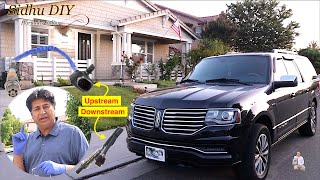
Both the 5.4L V8 and 3.5L V6 engines in the 2013-2024 Navigators typically have four oxygen sensors: two upstream (before the catalytic converter) and two downstream (after the catalytic converter). There is one of each for each engine bank (Bank 1 and Bank 2).
🎬 See exactly where upstream and downstream sensors are located.What tools do I need to replace an oxygen sensor?
You will need a special oxygen sensor socket, which is a deep socket with a slot for the wire to pass through. You'll also need a ratchet and potentially a penetrating lubricant to help loosen a sensor that is rusted in place. It's recommended to let 🎬 Follow this step-by-step tutorial to replace your Navigator's sensor. the exhaust cool down completely before starting the job.
Should I replace all four sensors at once?
It's not always necessary. You can replace only the failed sensor. However, oxygen sensors degrade over time. If one has failed due to high mileage, the others are likely not far behind. For best performance, it's a good practice to replace them in pairs (e.g., both upstream sensors at the same time).
What's the difference between an upstream and a downstream sensor?
Upstream sensors (also called Air/Fuel Ratio sensors or Sensor 1) are located before the catalytic converter and are crucial for adjusting the engine's air-fuel mixture. Downstream sensors (Sensor 2) are located after the catalytic converter and primarily monitor its efficiency. A failure in an upstream sensor will have a more immediate impact on engine performance and fuel economy.
Helpful Videos


Technical Specifications
OEM Part Numbers: DY-1181 DY-1184 DY-1185 DY-1292 8F9Z-9F472-H
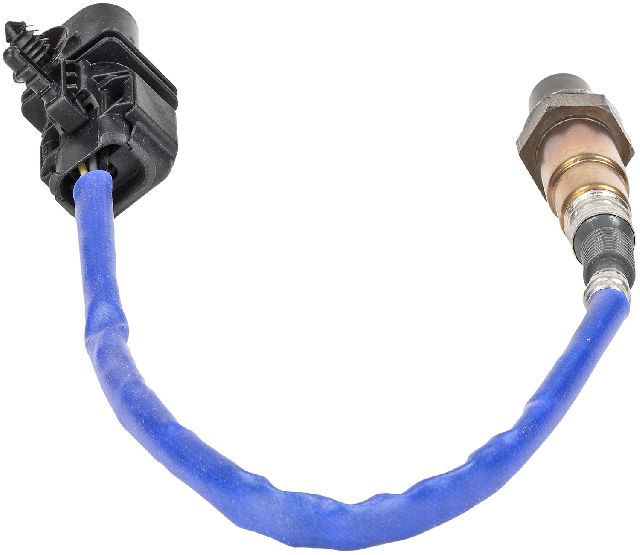
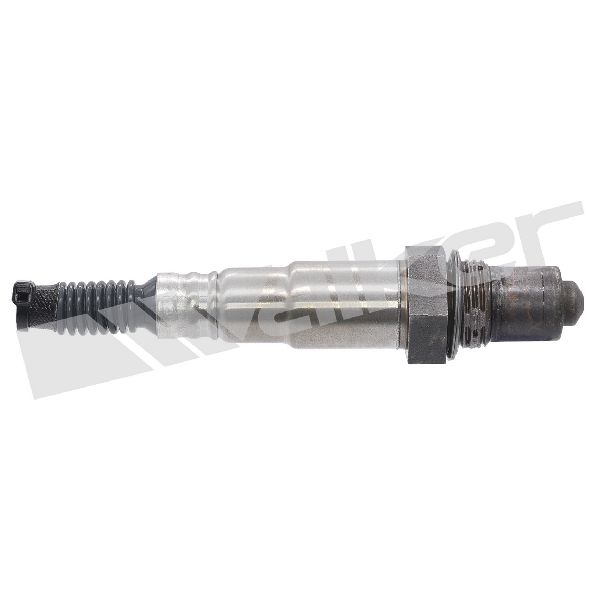
Varies by engine (5.4L V8 or 3.5L V6) and position (Upstream/Downstream, Bank 1/Bank 2). Most are 4-wire or 5-wire heated sensors. Always use a direct-fit connector.
We Have This Part in Stock

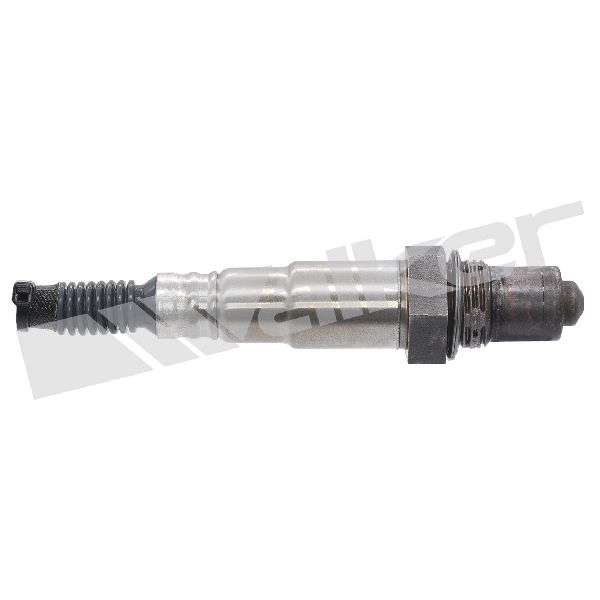
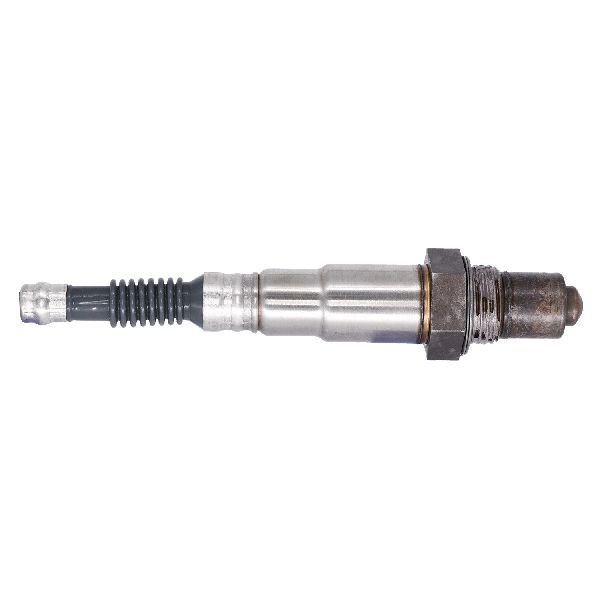
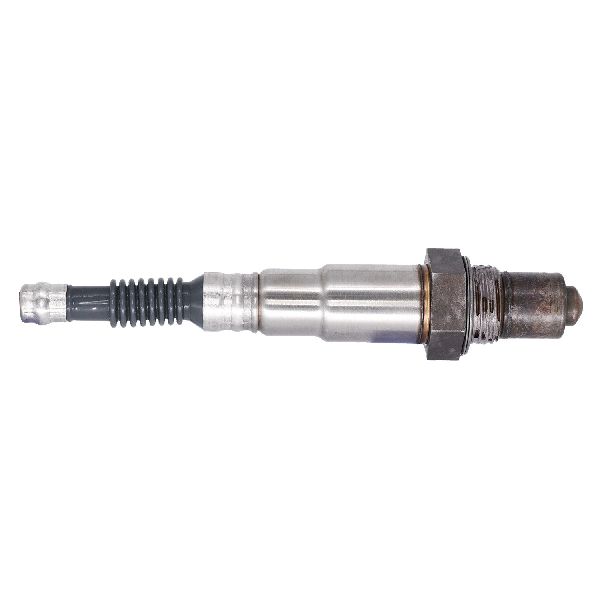

The information in this article is provided for general reference and educational purposes only. Vehicle specifications, procedures, and part compatibility can vary by production date, trim level, and region. Always consult your vehicle's factory service manual and verify part numbers before purchasing or performing repairs. Safety-critical components such as airbags, seat belts, and braking systems should be installed by a qualified professional.
- Lincoln Navigator:
- 🎬 Helpful Videos
- 🛍️ Shop This Part
- Engine Differences Matter
- Symptoms of a Failing Oxygen Sensor
- Don't Ignore the Check Engine Light
- Choosing the Right Aftermarket Oxygen Sensor
- Brand Quality Tiers
- Known Issues, Recalls, and TSBs
- Cost Comparison for Oxygen Sensor Replacement
- Frequently Asked Questions (FAQ)
- 🎟️ Get 5% Off