

A Guide to the Ignition Knock Sensor for the 2013-2024 Mazda CX-5
Learn the signs of a failing knock sensor and how to choose the right replacement for your CX-5's Skyactiv engine.
- A bad knock sensor on a CX-5 most often triggers a P0327 code and causes poor acceleration.
- Replacement is labor-intensive because the sensor is located under the intake manifold, making professional labor a significant part of the cost.
- While the part itself is affordable, using a quality aftermarket brand like NGK or Delphi is recommended to avoid repeating the extensive labor.
- Always replace the intake manifold gaskets during this repair to prevent future vacuum leaks.
Is Your CX-5's Knock Sensor Failing?
A bad knock sensor can cause more than just an annoying Check Engine Light. Because the sensor is the engine's primary defense against harmful detonation, a failure can lead to reduced performance and poor fuel economy. When the PCM doesn't receive a clear signal from the sensor, it will often switch to a safe, conservative mode, reducing ignition timing to prevent potential damage. This results in your engine feeling sluggish and less responsive.
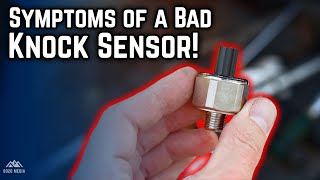
🎬 Watch: 5 common symptoms of a failing knock sensorDon't Ignore the Signs
While a faulty knock sensor itself might not stop your car, ignoring it can be risky. If the sensor fails to report actual engine knock, severe internal engine damage could occur over time without you knowing it.
Choosing the Right Aftermarket Knock Sensor
For a part that is labor-intensive to replace, choosing a quality replacement is important to avoid doing the job twice. While an OEM sensor is always an option, high-quality aftermarket brands offer a reliable and cost-effective alternative. One CX-5 owner reported successfully using an inexpensive aftermarket sensor, while general consensus among mechanics often points to trusted brands that are also OEM suppliers for many carmakers.
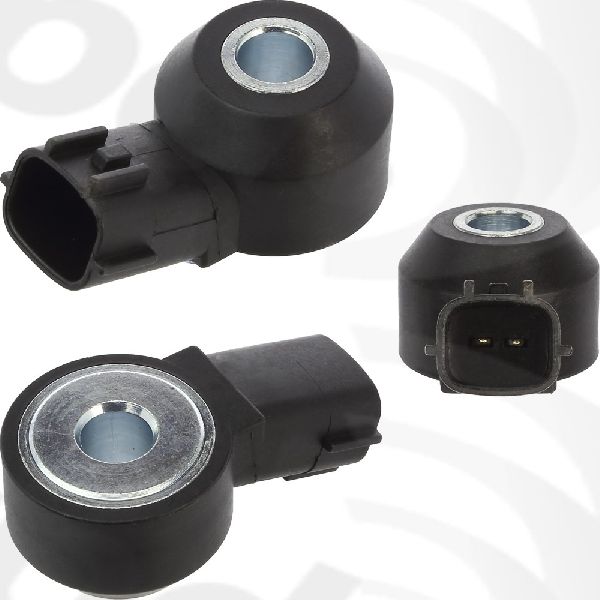
- Premium Aftermarket (e.g., NGK/NTK, Delphi): These brands are often original equipment manufacturers for many car lines. They are known for their high quality and reliability, making them a top choice for a critical sensor like this.
- Trusted Aftermarket (e.g., Standard Ignition, Beck Arnley, Walker Products): These are well-regarded brands in the aftermarket industry. They provide a good balance of quality and value, and are generally considered a safe bet for reliability.
- Standard/Economy Brands: While more budget-friendly, the quality can be less consistent. Given the significant labor involved in replacing the CX-5's knock sensor, saving a few dollars on the part itself may not be worth the risk of premature failure.
Replacement Cost for a Mazda CX-5 Knock Sensor
The location of the knock sensor on the CX-5's engine block, underneath the intake manifold, is the biggest factor in the replacement cost. While the part itself is not overly expensive, the labor to access it is significant.
| Item | Estimated Cost |
|---|---|
| New OEM Part | $110 - $145 |
| New Aftermarket Part | $32 - $65 |
| Shop Labor | $230 - $340 |
| Total Professional Replacement | $340 - $485 |
Frequently Asked Questions
Where is the knock sensor located on a 2013-2024 Mazda CX-5?
The knock sensor is bolted to the side of the engine block, but it is located underneath the plastic intake manifold. To access it, a technician must first remove the intake manifold.
What is engine knock?
Engine knock, also called detonation or pinging, is a rattling or metallic sound that occurs when the air-fuel mixture in an engine's cylinder ignites prematurely or unevenly. This creates a shockwave that can damage pistons, cylinder walls, and other internal engine components over time. The knock sensor's job is to detect this and tell the engine computer to make adjustments.
Is it difficult to replace the CX-5 knock sensor myself?
This is an advanced DIY project. The replacement requires removing the intake manifold, which can be a complex and time-consuming job for those without significant mechanical experience. 🎬 See this DIY guide for removing the intake manifold If you are not comfortable with this level of disassembly, it is best to leave this job to a professional mechanic.
Are there any recalls for the Mazda CX-5 knock sensor?
No, there are no specific recalls or widespread technical service bulletins (TSBs) for knock sensor failure on the 2013-2024 Mazda CX-5. Failure of this part does not appear to be a common problem.
Will the Check Engine Light clear itself after replacing the sensor?
In some cases, the trouble code may clear itself after the new sensor is installed and the vehicle is started. However, it is always best practice to use an OBD-II scanner to clear any stored fault codes from the PCM after the repair is complete.
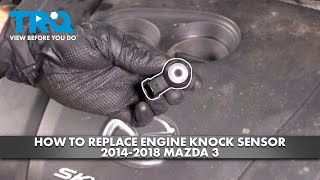
🎬 Learn how to diagnose and fix a P0326 codeHelpful Videos


Technical Specifications
OEM Part Numbers: PE01-18-921
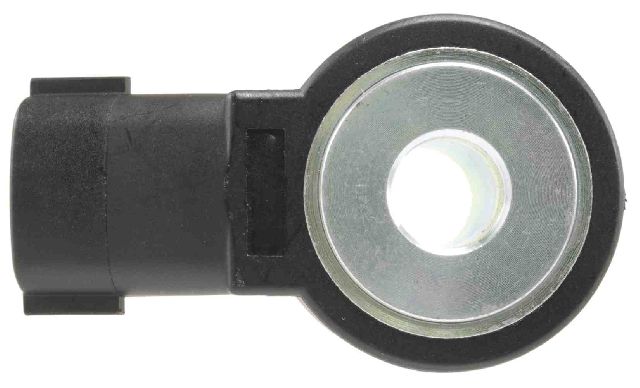
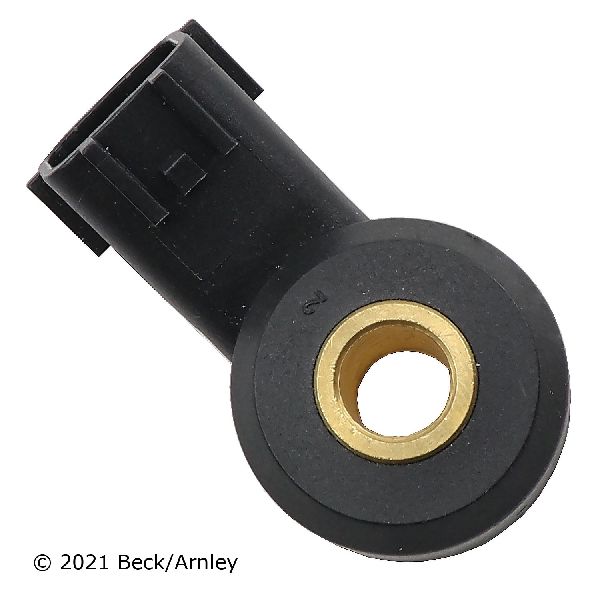
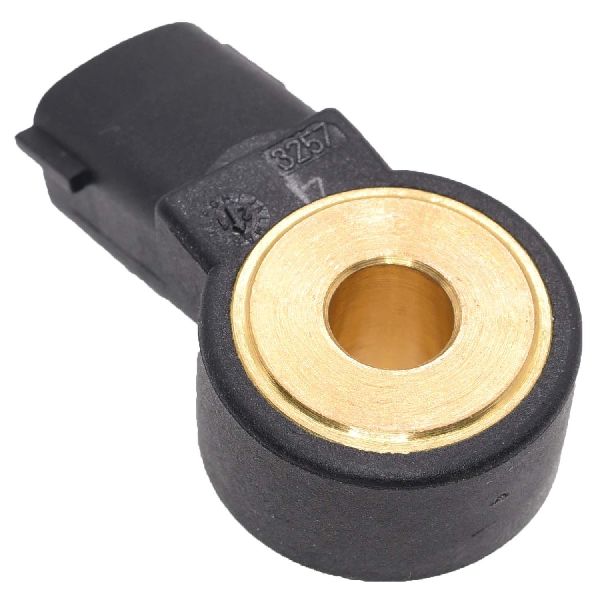
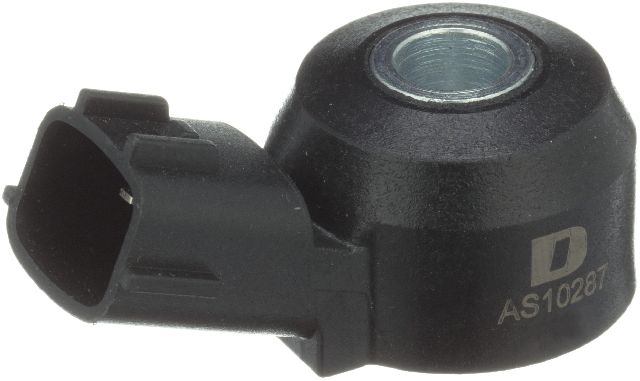
The knock sensor on the Mazda CX-5 is a single-bolt, piezoelectric sensor mounted to the engine block. It uses a 2-pin electrical connector. Proper installation torque is critical for correct function.
We Have This Part in Stock


The information in this article is provided for general reference and educational purposes only. Vehicle specifications, procedures, and part compatibility can vary by production date, trim level, and region. Always consult your vehicle's factory service manual and verify part numbers before purchasing or performing repairs. Safety-critical components such as airbags, seat belts, and braking systems should be installed by a qualified professional.
- Mazda CX-5: