

Guide to Replacing Suspension Stabilizer Links on the 2013-2024 Mazda CX-5
Hearing a clunking or rattling noise from your CX-5's suspension? Your stabilizer bar links are the likely cause.
- A clunking noise over bumps is the number one symptom of a bad stabilizer link on a CX-5.
- Always replace stabilizer links in pairs (both front or both rear) to ensure balanced handling.
- Quality aftermarket brands like Delphi, Dorman, and Mevotech offer a cost-effective alternative to OEM parts.
- The job is DIY-friendly for most, but rust can make removing the old links difficult.
Is Your CX-5 Making a Clunking Noise?

The most common sign of a failing stabilizer link is a distinct clunking, rattling, or knocking sound. This noise is usually most obvious when driving at lower speeds over bumps, speed bumps, or uneven driveways. The sound comes from the worn-out joints in the link, which become loose and allow the metal parts to knock against each other. You might also notice that the car's handling feels less precise, with more body roll or a 'floaty' feeling in turns.
Don't Mistake It for Other Issues
While stabilizer links are a very common source of clunking noises, other parts can make similar sounds. On the 2013-2016 CX-5, loose bolts on a cross-member under the windshield cowl can cause a clunk. For 2020-2024 models, a Mazda Technical Service Bulletin (TSB SA-044-23) points to front stabilizer bar bushings causing a popping sound on inclines, fixed by applying silicone grease. Worn lower control arms are another possibility. It's important to inspect the links first, as they are the most frequent and easiest fix.
Choosing the Right Aftermarket Stabilizer Link

When your original stabilizer links wear out, you have a choice between OEM (Original Equipment Manufacturer) parts and a wide variety of aftermarket brands. For a common wear item like this, aftermarket parts offer excellent value. Some forum users prefer OEM for peace of mind, but many have had good experiences with quality aftermarket brands. The key is to choose a reputable brand, as quality can vary.
Here's a breakdown of the brands available:
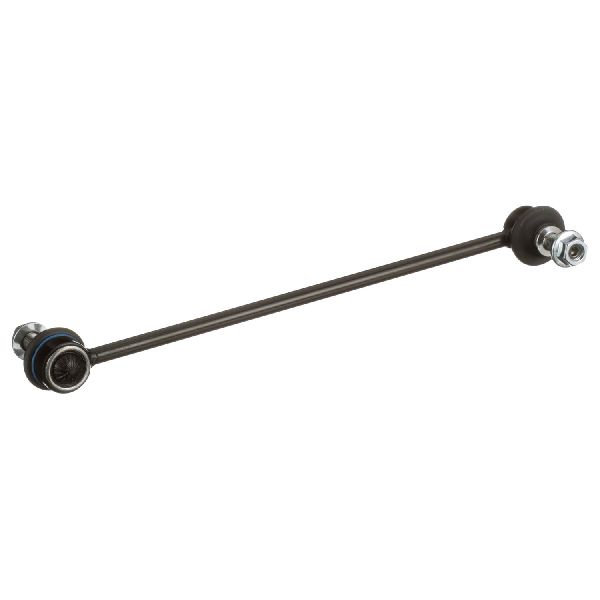
- Delphi: Often considered a premium aftermarket brand with quality similar to OE standards. They are known for durability and providing a comfortable ride.
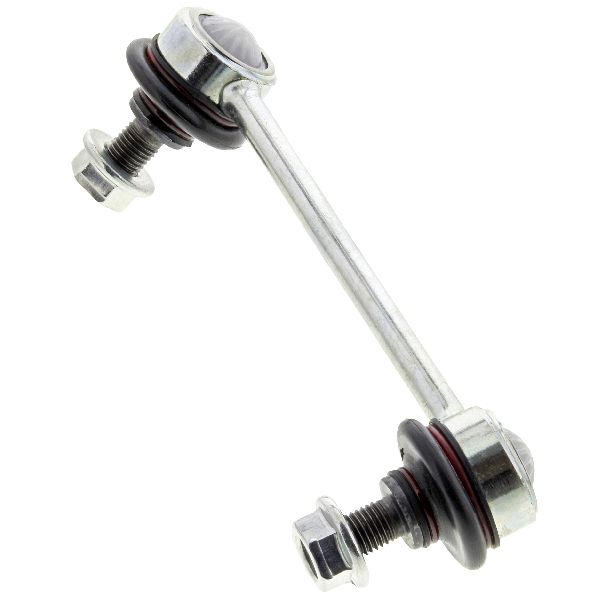
- Dorman: A popular brand known for providing a wide range of affordable replacement parts. Quality can be good for daily driving, making them a solid budget-friendly choice.
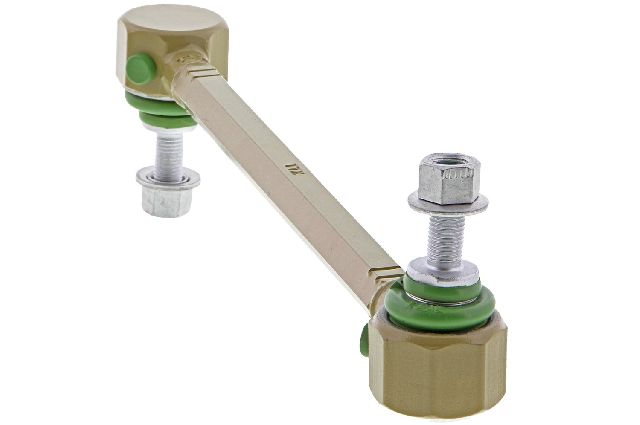
- Mevotech: This brand often offers multiple lines, such as the standard line and the upgraded "Supreme" or "TTX" lines, which may feature improvements like greasable joints or heavier-duty construction. They are generally seen as a good balance of affordability and performance.
Pro Tip: Replace Links in Pairs
Even if only one stabilizer link is making noise, it's always best practice to replace them in pairs (both front links or both rear links at the same time). The other side has experienced the same amount of wear and will likely fail soon. Replacing them together ensures balanced handling and saves you from doing the same job twice.
Typical Replacement Costs for a Mazda CX-5
The cost to replace stabilizer links is reasonable. The parts themselves are not expensive, and the labor is straightforward for a mechanic. Many CX-5 owners with basic tools choose to do this repair themselves.
| Item | Estimated Cost |
|---|---|
| New Aftermarket Link Kit (Pair) | $27 - $70 |
| Shop Labor | $95 - $160 |
| Total Professional Repair (Pair) | $122 - $230 |
Frequently Asked Questions

Do I need an alignment after replacing the stabilizer links?
No. Replacing the stabilizer bar links does not affect your vehicle's alignment angles. An alignment is not necessary after this repair.
Are the front and rear links the same?
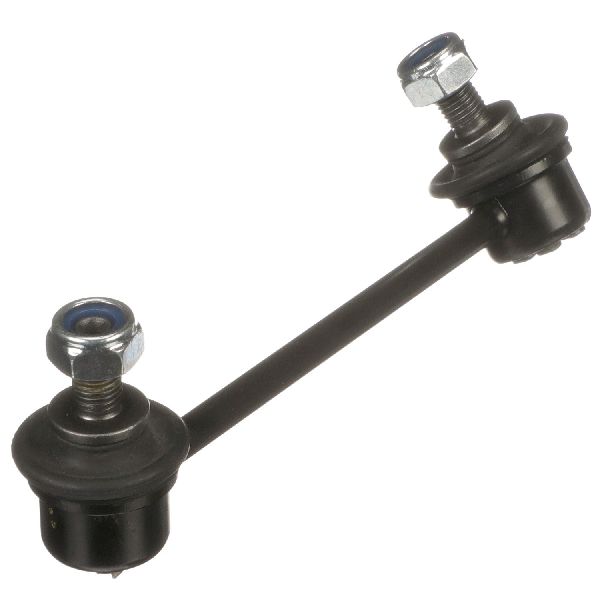
No, the front and rear links are different parts. Additionally, the rear links are often side-specific (left and right are different part numbers). Always verify the fitment for your specific vehicle year and position (front/rear, left/right) before ordering.
Is this a difficult job to do at home?
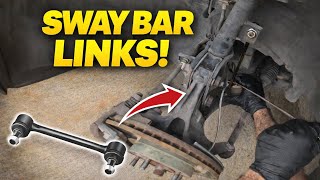
For most DIYers with a basic set of tools, this is a very manageable job. The most difficult part can be removing the old nuts if they are rusted, especially in areas that use road salt. Using penetrating oil beforehand is highly recommended. You will need a wrench to hold the back of the link's stud to keep it from spinning while you loosen the nut.
What tools are needed for the job?
You will typically need a jack and jack stands, a socket set (14mm is common for the nuts), a set of wrenches (15mm and 18mm may be needed for aftermarket parts), and a hex key or locking pliers to hold the stud from spinning.
Helpful Videos


Technical Specifications
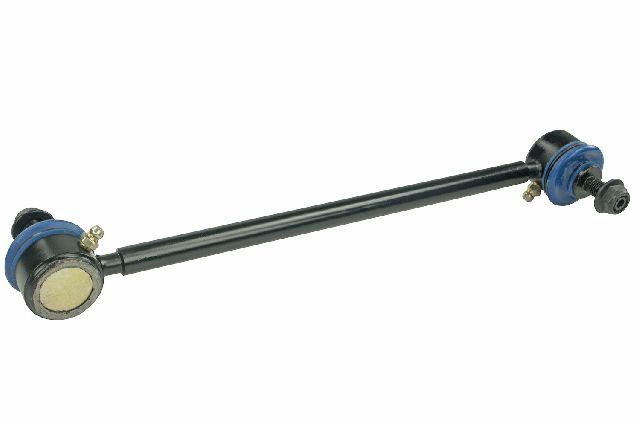
OEM Part Numbers: KD35-34-170 (Front) KD31-28-170 (Rear Right) KD31-28-190 (Rear Left)
The front links are generally universal for left/right, but the rear links are side-specific. Part numbers may vary between the first generation (2013-2016) and second generation (2017-2024), so always verify fitment.
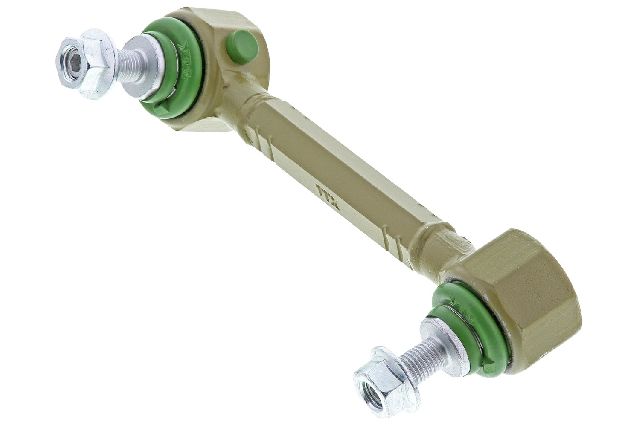
We Have This Part in Stock

The information in this article is provided for general reference and educational purposes only. Vehicle specifications, procedures, and part compatibility can vary by production date, trim level, and region. Always consult your vehicle's factory service manual and verify part numbers before purchasing or performing repairs. Safety-critical components such as airbags, seat belts, and braking systems should be installed by a qualified professional.
- Mazda CX-5: