

Nissan Altima VVT Solenoid Guide for 2013-2024 Models
Experiencing rough idle or poor engine performance in your Altima? Your VVT solenoid might be the culprit.
- A failing VVT solenoid in your Altima will cause a rough idle, poor acceleration, bad fuel economy, and turn on the Check Engine Light with codes like P0011 or P0014.
- The most common cause of VVT solenoid failure is old or low engine oil; always check your oil and consider an oil change before replacing parts.
- For best results, choose a high-quality aftermarket brand like Hitachi (the OEM supplier) or a trusted name like Dorman or Standard Ignition.
- While DIY replacement is possible, accessing the solenoids on the 2.5L engine can be difficult and may require working from both the top and bottom of the engine.
Understanding VVT Solenoid Failure in Your Altima
If your 2013-2024 Nissan Altima is starting to show signs of engine trouble like a rough idle, poor acceleration, or a sudden drop in fuel economy, a failing Engine Variable Valve Timing (VVT) solenoid is a likely suspect. These solenoids are oil-operated and can become clogged or fail electronically over time. The most common reason for failure is dirty or low engine oil, which prevents the solenoid from operating correctly. This can leave the camshaft timing stuck in one position, leading to a noticeable decline in engine performance.
Check Your Oil First!
Before replacing your VVT solenoids, always check your engine oil level and condition. Low or dirty oil is the number one cause of VVT system problems and related trouble codes like P0011 and P0014. 🎬 Watch: How to diagnose P0011 and P0014 timing codes An oil change might be the simple fix you need.
Common Symptoms of a Bad VVT Solenoid
- Check Engine Light: This is often the first sign. Your car's computer will detect that the camshaft timing is incorrect and trigger a light. Common codes include P0011, P0014, P0021, and P0300.
- Rough Idle: The engine may shake or run unevenly when stopped or at low speeds.
- Poor Acceleration: Your Altima may feel sluggish or hesitant when you press the gas pedal.
- Decreased Fuel Economy: When the valve timing is off, the engine burns fuel less efficiently.
- Engine Stalling: In more severe cases, the engine may stall at low speeds or even shut off while driving.
- Hard Starting: The car may take longer to start, especially when the engine is already warm.
Choosing the Right Aftermarket VVT Solenoid
When it comes to replacing the VVT solenoid on your Altima, you have options outside of the dealership. Aftermarket parts can offer significant savings. However, quality can vary. Based on owner feedback and brand reputation, here’s a breakdown of your choices:
- Premium Aftermarket (Recommended): Brands like Hitachi are often the original equipment manufacturer (OEM) for Nissan. Choosing Hitachi means you are getting a part with the same quality and fit as the original, without the dealership price tag. Other trusted brands in this tier include Standard Ignition (SMP) and Gates.
- Standard Aftermarket: Brands such as Dorman, Walker Products, and Beck Arnley offer a good balance of quality and price. Dorman is a well-known aftermarket brand that often re-engineers parts to address common failure points. While some users prefer OEM or Hitachi, many have success with these mid-tier options.
- Economy Brands: Brands like URO Parts or other unbranded parts found on marketplaces offer the lowest price. While tempting, some owners report that these cheaper solenoids can fail quickly or not work correctly out of the box, leading to the same problems returning. It may be worth spending a little more for a part from a more reputable brand to avoid doing the job twice.
Replace in Sets?
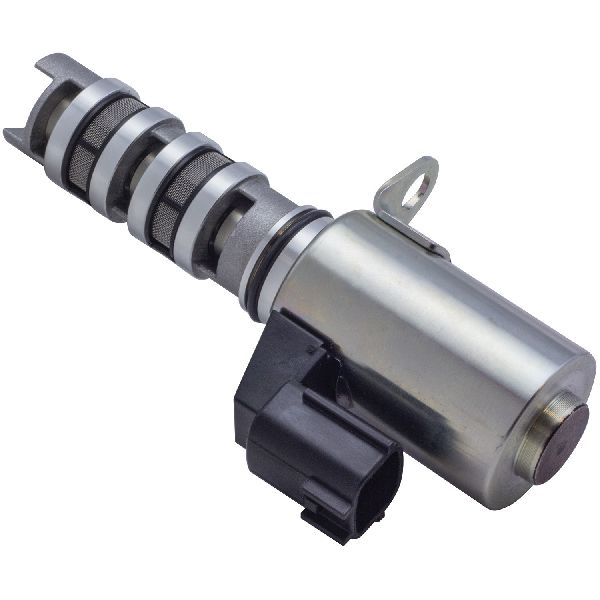
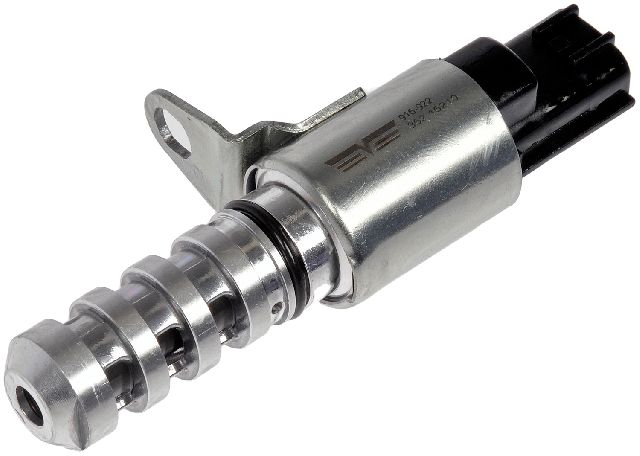
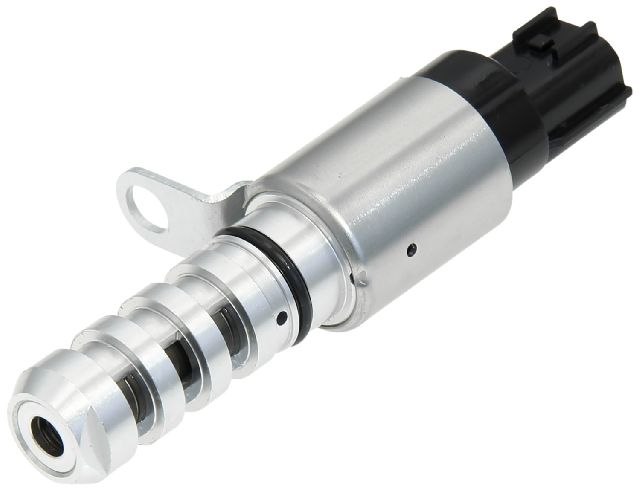
Your Altima's 2.5L engine has two or three VVT solenoids (depending on the specific year and configuration - intake, exhaust, and sometimes a locking solenoid). While you only need to replace the one that has failed, mechanics often recommend replacing them as a set. They are all the same age and have been subjected to the same conditions, so if one has failed, the others may not be far behind.
Known Issues, Recalls, and TSBs
While there are no widespread recalls specifically for the VVT solenoids on the 2013-2024 Altima, Nissan has issued Technical Service Bulletins (TSBs) for related issues. For example, TSB NTB20-064 addresses a P0015 code on 2019-2020 Altimas with the PR25DD engine, requiring the replacement of the exhaust VVT solenoid. Additionally, some 2019-2020 Altimas with VC-Turbo engines were part of a recall for potential engine bearing failure, which can present similar symptoms like engine noise and malfunction lights.
Frequently Asked Questions (FAQ)
How difficult is it to replace a VVT solenoid on a Nissan Altima?
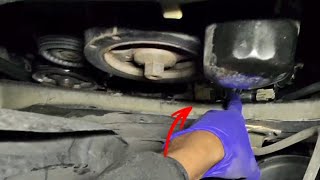
For the 2.5L engine, the solenoids are located on the side of the engine. Some are easily accessible from the top, while others are very tight to reach and may require removing the passenger-side front wheel and splash shield for access from below. It's a job a DIYer with some experience can handle, but it can be frustrating due to the tight space. 🎬 See this walkthrough for replacing the VVT solenoid The estimated time is around 1-2 hours.
How much should a VVT solenoid replacement cost?
Aftermarket solenoids for the Altima range from approximately $45 to over $200, depending on the brand. If you take it to a repair shop, expect to pay for 1-2 hours of labor, which typically costs between $100 and $250. The total cost at a shop could be anywhere from $150 to $450 per solenoid.
Are the intake and exhaust VVT solenoids the same part?
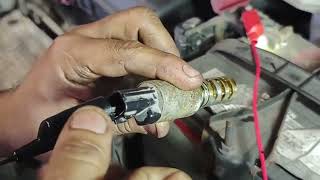
On many 2.5L Altima models, the intake and exhaust solenoids are physically the same part and can be interchanged for diagnosis, 🎬 Watch: A quick guide to fixing P0011 and P0014 though they have different functions based on their position. However, always confirm the correct part number for your specific vehicle's VIN before ordering to avoid mistakes.
Will a bad VVT solenoid damage my engine?
While you can drive with a failing VVT solenoid, it's not recommended for long. Ignoring the problem can lead to increased fuel consumption, poor performance, and potentially stalling in traffic. In the long run, the poor timing and engine performance could put extra stress on other components like the timing chain.
Helpful Videos
![2013-2018 Nissan Altima 2.5L P0011 Diagnosis & Fix! [2.5L QR25DE]](https://img.youtube.com/vi/fc7nq9cw1yM/mqdefault.jpg)
![2013-2018 Nissan Altima 2.5L P0014 Diagnosis & Fix! [2.5L QR25DE]](https://img.youtube.com/vi/tAq49-bX388/mqdefault.jpg)
Technical Specifications
OEM Part Numbers: 23796-3TA1A 23796-3TA2A 23796-JA10B 23796-3JV2A
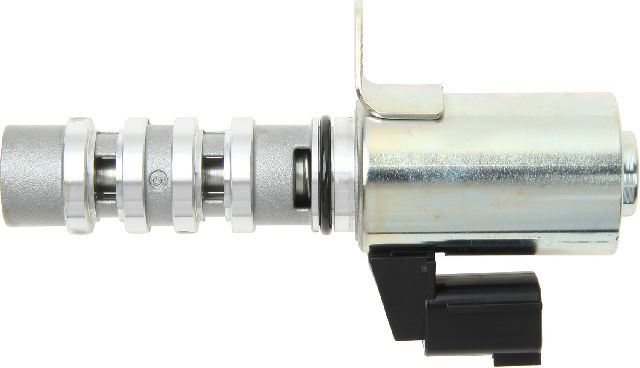
For the 2.5L QR25DE engine, there are typically two or three solenoids controlling intake and exhaust timing. They are electronically controlled, 12V solenoids that use oil pressure to function. All solenoids on this engine are often the same part number.
We Have This Part in Stock


The information in this article is provided for general reference and educational purposes only. Vehicle specifications, procedures, and part compatibility can vary by production date, trim level, and region. Always consult your vehicle's factory service manual and verify part numbers before purchasing or performing repairs. Safety-critical components such as airbags, seat belts, and braking systems should be installed by a qualified professional.
- Nissan Altima: