

Subaru BRZ Disc Brake Pad Set Guide for 2013-2024 Models
Choosing the right brake pads for your BRZ is crucial for safety and performance, whether you're daily driving or hitting the track.
- Identify if your BRZ has standard brakes or the optional Brembo calipers, as they require different pads.
- Choose pads based on your driving style: ceramic for quiet daily driving, or semi-metallic/performance compounds for spirited driving and track use.
- Symptoms like squealing, grinding, vibration, or pulling indicate it's time to inspect your brakes immediately.
- For best performance and safety, it is recommended to replace or resurface brake rotors when installing new pads.
Signs Your BRZ Needs New Brake Pads
Your Subaru BRZ is a car meant to be driven, and the brakes are one of the most important wear items. Ignoring the signs of worn pads can lead to more expensive repairs. Listen and feel for these common symptoms.
Key Failure Symptoms
- Squealing or Grinding Noises: A high-pitched squeal when you brake is often the first sign. This sound comes from a small metal tab called a wear indicator. If you hear a grinding noise, it could mean the pads are completely worn down, and metal is grinding against metal. This can damage your brake rotors, leading to a more costly repair.
- Vibrations or Pulsing: If you feel a pulsing or vibration through the brake pedal or steering wheel when you brake, it could be a sign of unevenly worn pads or warped rotors. A Subaru Technical Service Bulletin (TSB) for early models noted that a pulsation or judder could develop from pad marks left on the rotor surface after prolonged exposure to moisture.
- Reduced Stopping Power: If your BRZ takes longer to stop than it used to, or the brake pedal feels soft and spongy, your pads may be worn out. This is a serious safety concern that needs immediate attention.
- Car Pulling to One Side: If the car pulls to the left or right when you apply the brakes, it could indicate a problem with a caliper or uneven wear on the brake pads.
Choosing the Right Aftermarket Brake Pads
The original equipment (OEM) brake pads on your BRZ are designed for a balance of performance and comfort for the average driver. However, the aftermarket offers a wide range of options that can be tailored to your specific driving style. Many owners find aftermarket pads to be a significant upgrade.
OEM vs. Aftermarket
OEM pads are a safe bet for daily driving, offering quiet operation and reasonable performance. Aftermarket pads, however, can provide significant benefits. For daily drivers, some aftermarket ceramic pads offer lower dust and less noise than stock. For spirited drivers or those who take their BRZ to the track, aftermarket performance pads offer much higher heat resistance and stopping power, which is crucial for preventing brake fade during aggressive use. The trade-off for higher performance is often more dust, noise, and potentially faster rotor wear.
Important Note on Fitment
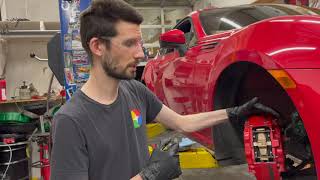
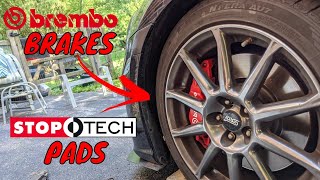
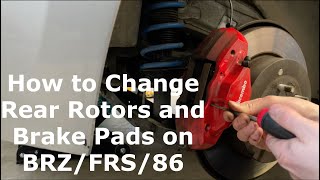
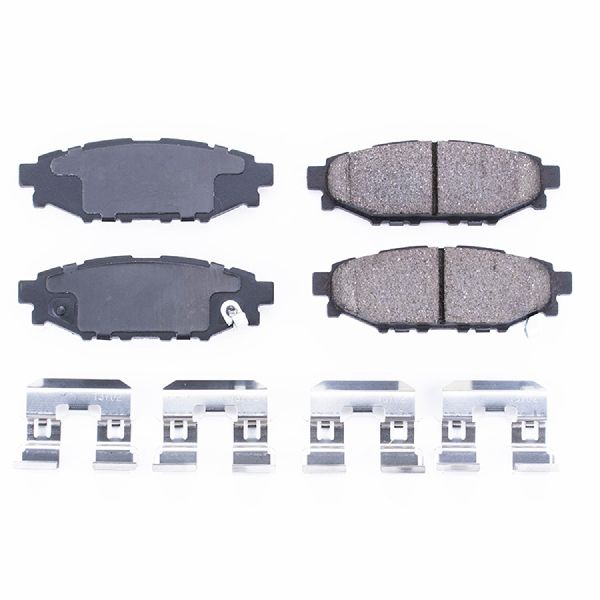
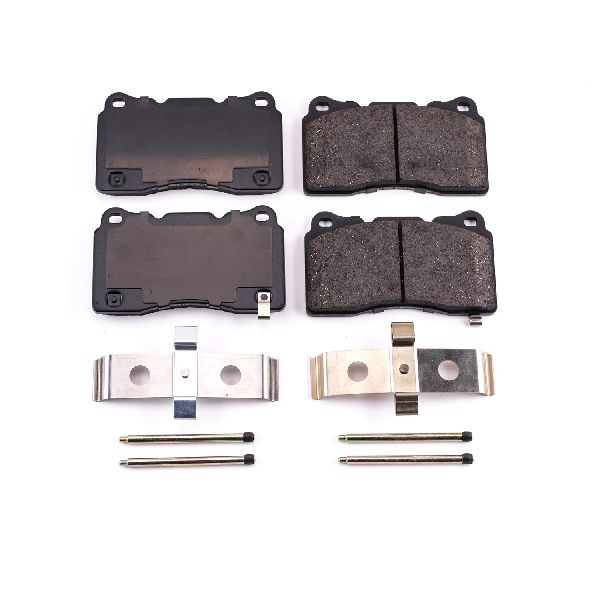
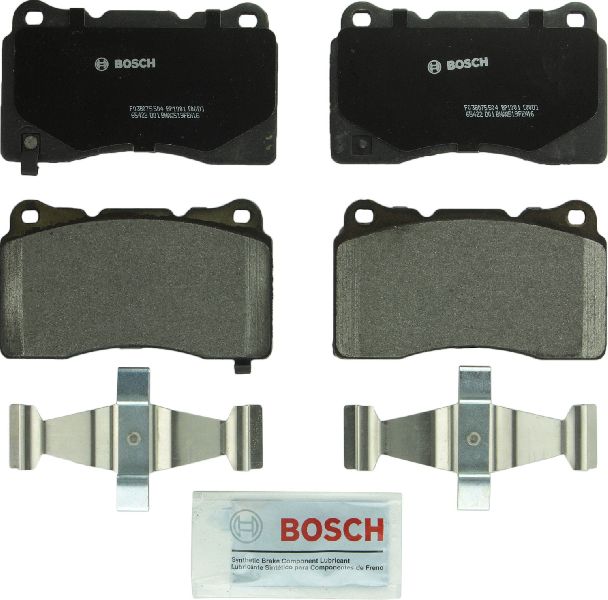
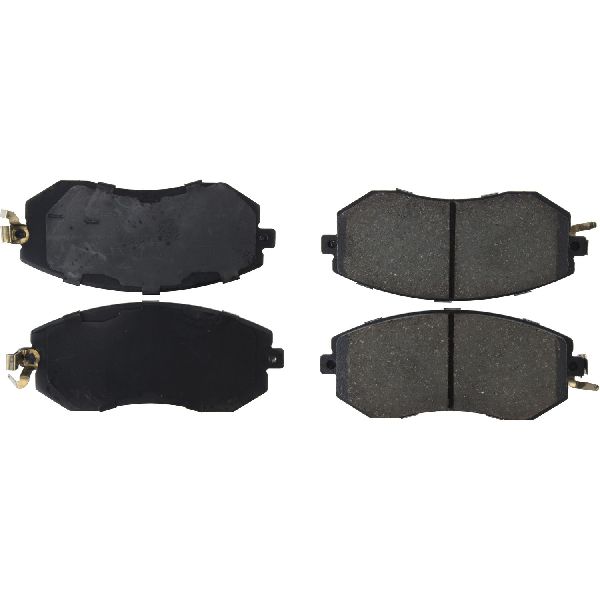
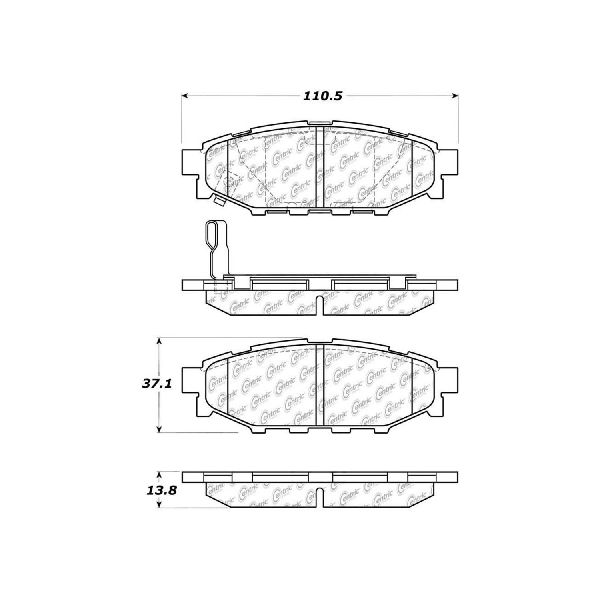
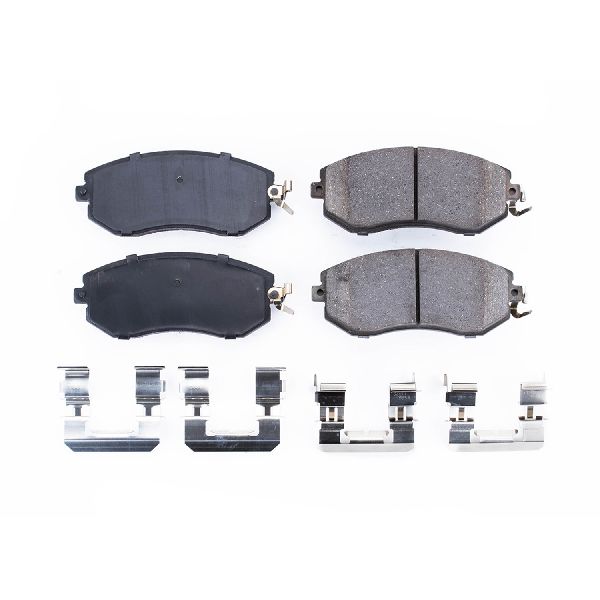
Starting in 2017, Subaru offered an optional Performance Package for the BRZ, which included larger Brembo brakes. These Brembo calipers require a different brake pad shape than the standard brakes. Always verify whether your BRZ has the standard or Brembo brakes before ordering parts. Brake pads 🎬 See how to change rear pads on Performance Package Brembo models. for the first generation (2013-2020) non-Brembo models are generally interchangeable with the second generation (2022+) non-Brembo models.
Brand Tiers for Your BRZ
Based on owner feedback and performance characteristics, aftermarket brake pads for the BRZ can be grouped into tiers:
- Daily Driver / OEM Equivalent: These pads are perfect for street use, prioritizing low noise, low dust, and good cold performance. They are a solid replacement for worn-out factory pads.
- Brands: Akebono ProACT, Centric, Wagner Brakes, Raybestos, Bosch QuietCast.
- Spirited Street / Autocross: This is a popular category for BRZ owners who enjoy spirited backroad driving or occasional autocross events. These pads offer a noticeable step up in performance and heat tolerance over stock, with a manageable increase in dust and potential for light noise.
- Brands: StopTech Sport (formerly Street Performance), Hawk HPS 5.0, EBC Yellowstuff, Project Mu NS400.
- Track Day / Dual-Duty: For owners who frequent the track but still drive their car on the street. These pads have high-temperature capabilities but come with significant compromises for daily driving, including noise (squealing) when cold and aggressive dust. Many drivers in this category have separate pads for the street and track.
- Brands: Hawk HP+, Ferodo DS2500, Project Mu HC+800, Powerstop Track Day.
| Pad Type | Typical Price Range (Front or Rear Set) | Best For |
|---|---|---|
| Daily Driver / OEM Equivalent | $25 - $75 | Commuting, quiet operation, low dust |
| Spirited Street / Autocross | $80 - $150 | Aggressive street driving, occasional performance events |
| Track Day / Dual-Duty | $150 - $310 | Frequent track use, maximum heat resistance |
Known Issues and Technical Service Bulletins (TSBs)
There are no major recalls specifically for the brake pads on the 2013-2024 Subaru BRZ. However, Subaru did issue a TSB (06-46-14) for early models regarding a squeaking sound or pulsation during braking. The fix involved a new front brake pad kit with chamfered edges and a special grease to prevent vibration. Another TSB (06-54-18) provided updated instructions for proper grease application during any brake pad installation to prevent pads from dragging due to corrosion buildup, which could cause premature wear.
Frequently Asked Questions
How often should I replace my BRZ's brake pads?
Brake pad life depends heavily on your driving style. For daily driving, pads can last anywhere from 30,000 to 60,000 miles. If you frequently participate in track days or drive aggressively, you will need to replace them much more often. Regular inspection is the best way to know when they are due for a change.
Should I replace the rotors at the same time as the pads?
It is highly recommended. While not always necessary, installing new pads on old, worn rotors can lead to uneven wear, noise, and reduced performance. For best results, especially with performance pads, you should replace or resurface the rotors at the same time.
What's the difference between ceramic and semi-metallic pads?
Ceramic pads are known for being quiet and producing very little dust, making them great for daily driving. Semi-metallic pads typically offer better performance and heat dissipation, making them more suitable for spirited driving and track use, though they are often noisier and dustier.
Can I install brake pads on my BRZ myself?
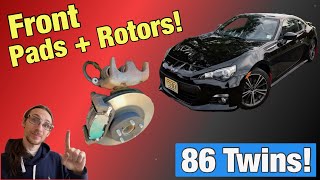
Yes, replacing brake pads is a common DIY job for those with basic mechanical skills and the right tools. The process for both the standard and Brembo brakes is well-documented. However, brakes are 🎬 Watch this step-by-step guide for replacing first-gen pads and rotors. a critical safety system, so if you are not confident, it is best to have the work done by a professional mechanic.
What does 'bedding in' new brakes mean?
Bedding in is the process of breaking in new pads and rotors. It involves a series of controlled stops to transfer a thin, even layer of friction material from the pad onto the rotor. This process is crucial for achieving optimal braking performance, preventing vibration, and extending the life of your brake components. Always follow the manufacturer's specific bedding-in procedure for your new pads.
Helpful Videos

Technical Specifications
Fitment varies between standard sliding calipers and the optional Performance Package Brembo fixed calipers. Standard front brakes use a two-piston sliding caliper. Standard rear brakes use a single-piston sliding caliper. The optional Brembo package features four-piston front and two-piston rear fixed calipers.
We Have This Part in Stock

The information in this article is provided for general reference and educational purposes only. Vehicle specifications, procedures, and part compatibility can vary by production date, trim level, and region. Always consult your vehicle's factory service manual and verify part numbers before purchasing or performing repairs. Safety-critical components such as airbags, seat belts, and braking systems should be installed by a qualified professional.
- Subaru BRZ: