

A Guide to Aftermarket Brake Pads for the 2013-2025 Audi A6 Quattro
Stop the squeal and reduce brake dust by choosing the right pads for your Audi's performance and your driving style.
- A diagnostic scan tool is required to put the rear Electronic Parking Brake (EPB) into service mode before replacing the rear pads.
- Aftermarket ceramic pads from brands like Akebono can significantly reduce brake dust compared to the stock semi-metallic pads.
- It is highly recommended to replace the brake rotors at the same time as the pads for best performance and to avoid noise issues.
- OEM pads are typically semi-metallic and made by brands like Textar or Pagid, offering strong performance but high dust.
Signs Your Audi A6 Brake Pads Are Failing

Your Audi is designed to tell you when its brakes need attention. A brake pad warning light on your dashboard is the most obvious sign. Other symptoms include a high-pitched squealing noise when you brake, a grinding sound indicating the pads are completely worn, or your car taking longer to stop than it used to.
The Electronic Parking Brake: A Critical Note for DIY Replacement
All 2013-2025 Audi A6 models have an Electronic Parking Brake (EPB). You CANNOT simply compress the rear brake calipers with a C-clamp like on older cars. You must use a compatible diagnostic scan tool (like VCDS or OBDeleven) or a dedicated EPB service tool to put the rear brakes into "service mode." This retracts the electronic motors inside the calipers. 🎬 See how to service rear brakes with the electronic parking brake Failing to do this will damage the calipers, leading to a much more expensive repair.
Choosing the Right Aftermarket Brake Pads

The original Audi pads, often made by brands like Textar or Pagid, are semi-metallic. They offer excellent initial "bite" and performance but are known for producing a lot of brake dust and can sometimes be noisy. Aftermarket pads offer a chance to tailor your car's braking characteristics to your preference.
Brand Tiers for Your Audi A6 Quattro
- OEM-Equivalent & Premium: Brands like Brembo, ATE, Pagid, Textar, and Zimmermann provide pads that meet or exceed original factory specifications. They are a perfect choice if you are happy with the stock performance and feel but want to save money over dealer prices. Brembo is a well-known performance brand, while ATE and Zimmermann are respected German manufacturers.
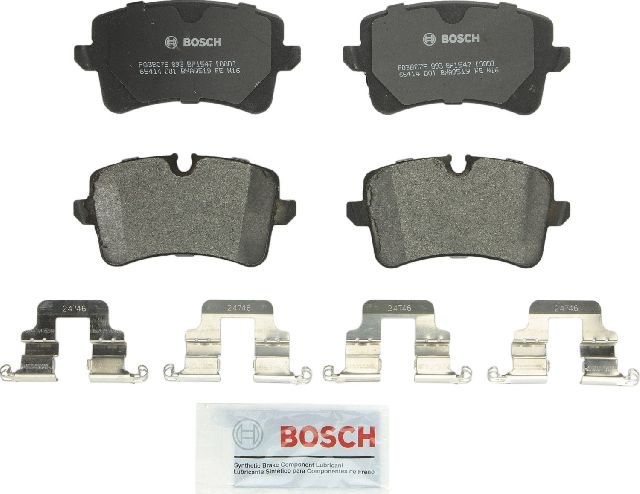
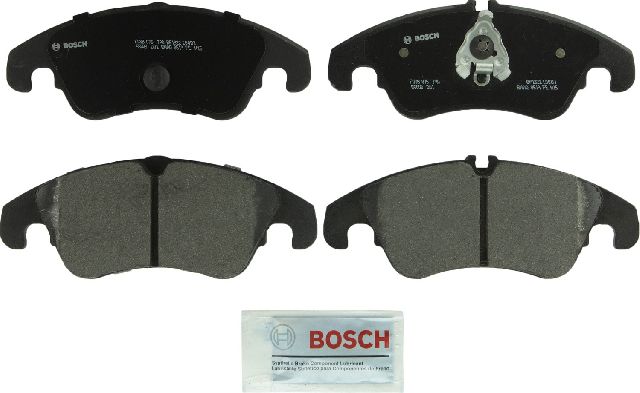
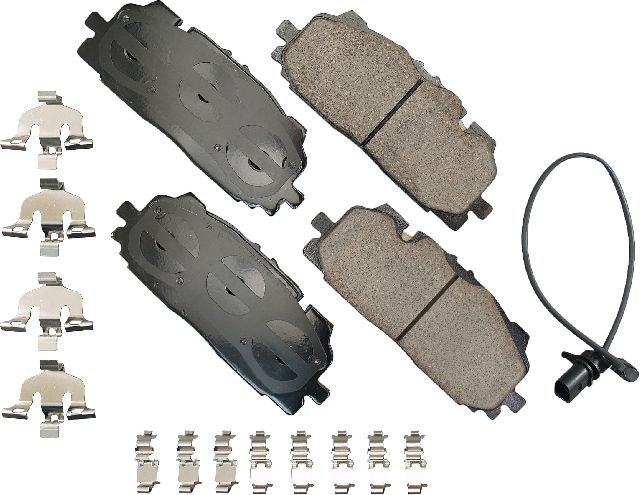
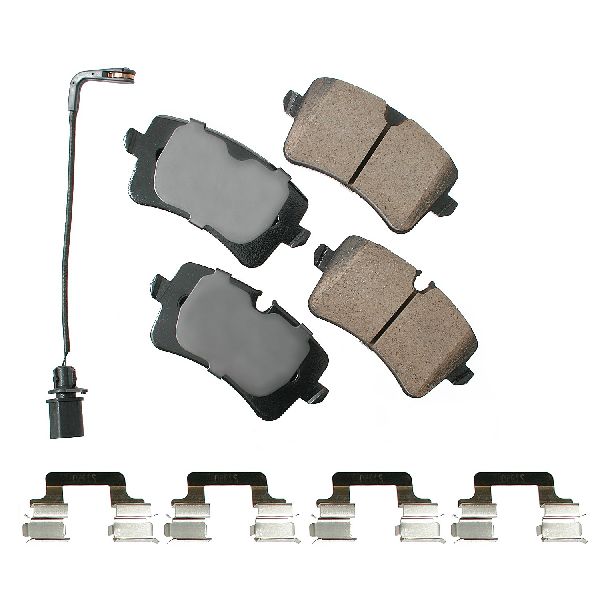
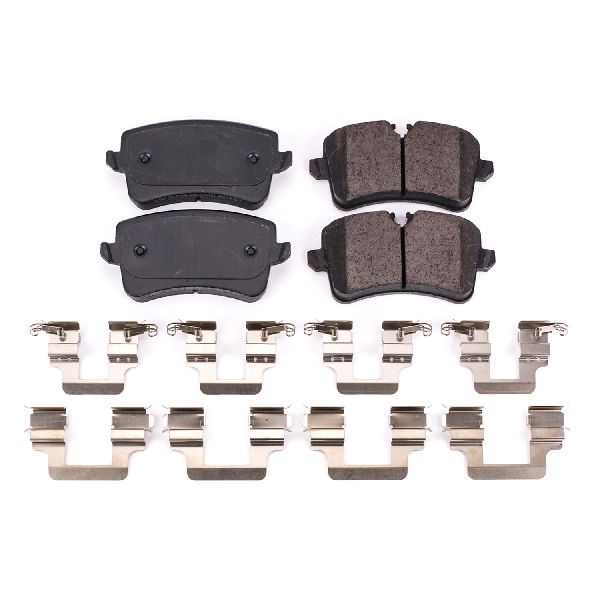
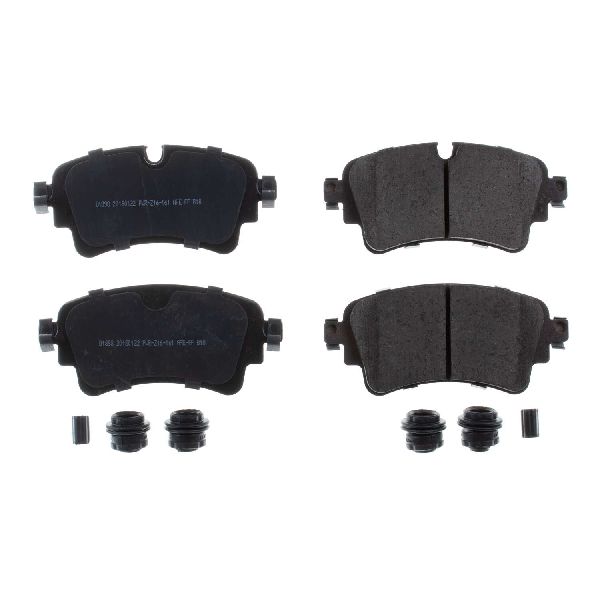
- Low-Dust Ceramic: If you're tired of cleaning your wheels, ceramic pads are the answer. Akebono EURO Ultra-Premium pads are a very popular choice among Audi owners for their significant reduction in brake dust and quiet operation. Other quality ceramic options include Bosch QuietCast and Wagner OEX. The trade-off can sometimes be a slightly less aggressive initial bite compared to semi-metallic pads.
- Performance / High Performance Street: For the owner who enjoys spirited driving, brands like Hawk (HPS, HPS 5.0), EBC Brakes (Redstuff, Yellowstuff), and StopTech offer pads with higher friction levels. These pads can handle more heat, resist brake fade better during repeated hard stops, but may produce more noise and dust than comfort-oriented pads.
- Daily Driver / Value: Brands like Centric, Dynamic Friction, and Raybestos offer reliable, safe brake pads that are a great value for normal daily driving. They provide a good balance of performance, durability, and price.
| Pad Type | Typical Cost (Front or Rear Set) | Best For |
|---|---|---|
| Daily Driver (e.g., Centric, Raybestos) | $35 - $75 | Commuting and everyday use |
| Low-Dust Ceramic (e.g., Akebono, Bosch) | $70 - $150 | Clean wheels and quiet operation |
| OEM-Equivalent (e.g., Brembo, ATE, Textar) | $80 - $180 | Maintaining factory feel and performance |
| Performance Street (e.g., Hawk, EBC) | $120 - $350 | Spirited driving and enhanced stopping power |
Known Issues, Recalls, and TSBs

While there are no major recalls specifically for brake pad failure on the 2013-2025 A6, some related items are worth noting:
- Brake Noise: Squeaking is a common complaint. Audi has issued Technical Service Bulletins (TSBs) like 2034181/21 and 2040964/2 acknowledging brake noise and providing diagnostic steps. The cause can range from pad material to simple debris. Aftermarket ceramic pads are often reported to be quieter than the stock semi-metallic pads.
- Brake Fluid Cap Recall: A recall (NHTSA #23V601000) was issued for some 2019-2021 A6 models 🎬 Watch: Front brake pad replacement walkthrough for 2019+ C8 models because they may have been fitted with a cap that could lead to the use of the wrong brake fluid. Using incorrect fluid can compromise braking performance.
Pro Tip: Replace Rotors with Pads?
Most shops and experienced owners recommend replacing the brake rotors at the same time 🎬 Watch: Step-by-step front brake pad and rotor replacement guide as the pads on German cars like the A6. The rotors are designed to wear down with the pads. Installing new pads on a worn, grooved rotor can lead to noise, vibration, and reduced pad life.
Frequently Asked Questions

Do I need special tools to change my Audi A6 brake pads?
Yes. For the rear brakes, you absolutely need a diagnostic tool to retract the Electronic Parking Brake (EPB). For the front, you'll need standard brake service tools, including a caliper piston compressor and a 9mm Allen socket for the caliper slide pins on some models.
What are brake pad wear sensors?
Your Audi A6 uses electronic wear sensors. These are small sensors embedded in or clipped to the brake pads. When the pad wears down to a certain point, the sensor contacts the rotor, completing an electrical circuit and triggering the warning light on your dashboard. Most new pad sets come with new sensors, and they should always be replaced.
What's the difference between Ceramic and Semi-Metallic pads?
Semi-metallic pads (like the OEM ones) use metal fibers to help dissipate heat and provide a strong bite. They are effective but can be noisy and dusty. Ceramic pads use ceramic compounds and copper fibers. They are much cleaner, quieter, and often provide a longer life for both the pad and rotor, but may have a less aggressive initial bite.
Why are my new brakes squeaking?
New brakes can squeak for a few reasons. It could be part of the "bedding-in" process, where a thin layer of pad material transfers to the rotor. It can also be caused by not applying a thin layer of anti-squeal paste to the back of the pads and contact points on the caliper bracket during installation. If the noise persists, it could indicate an issue with the installation or the hardware.
Helpful Videos
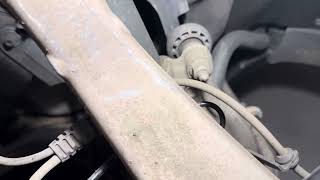
Technical Specifications
Brake systems on the Audi A6 Quattro can vary based on model year, engine (2.0T vs 3.0T), and optional sport packages. Always verify the correct pad shape and size for your specific vehicle using your VIN. Most models use electronic wear sensors. Rear pads require an electronic tool for replacement due to the EPB.
We Have This Part in Stock

The information in this article is provided for general reference and educational purposes only. Vehicle specifications, procedures, and part compatibility can vary by production date, trim level, and region. Always consult your vehicle's factory service manual and verify part numbers before purchasing or performing repairs. Safety-critical components such as airbags, seat belts, and braking systems should be installed by a qualified professional.
- Audi A6 Quattro:
- 🎬 Helpful Videos
- 🛍️ Shop This Part
- Signs Your Audi A6 Brake Pads Are Failing
- The Electronic Parking Brake: A Critical Note for DIY Replacement
- Choosing the Right Aftermarket Brake Pads
- Brand Tiers for Your Audi A6 Quattro
- Known Issues, Recalls, and TSBs
- Pro Tip: Replace Rotors with Pads?
- Frequently Asked Questions
- 🎟️ Get 5% Off