

Audi Q3 Disc Brake Pad Set Replacement Guide (2013-2025)
Everything Audi Q3 owners need to know about replacing their brake pads with the right aftermarket options.
- Replacing brake pads on a 2013-2025 Audi Q3 requires a special tool to retract the Electronic Parking Brake (EPB) for the rear wheels.
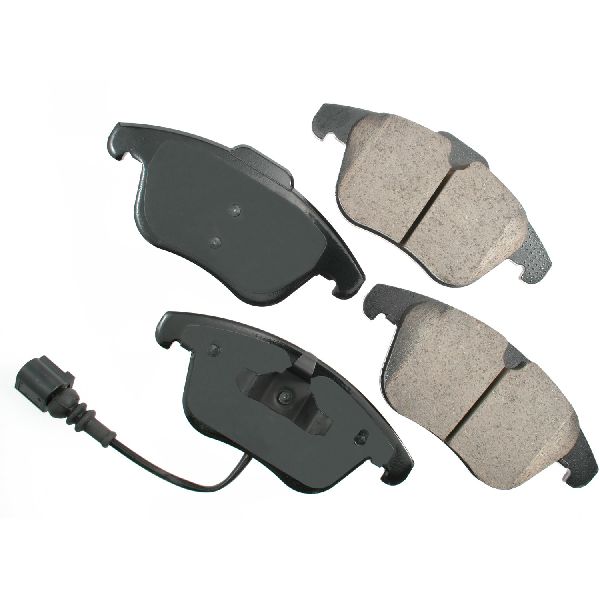
- Aftermarket ceramic pads from brands like Akebono can provide similar performance to OEM with significantly less brake dust.
- Some newer Q3 models may experience premature wear of the rear brake pads, so they should be inspected regularly.
- Always plan to replace or resurface your brake rotors when installing new pads for the best safety and performance.
Symptoms of Worn Brake Pads on an Audi Q3

Your Audi is designed to tell you when its brakes need attention. Ignoring these signs can lead to more expensive repairs, like needing to replace the brake rotors, and can compromise your safety.
- Brake Warning Light: The most obvious sign. Modern Q3 models have electronic sensors that illuminate a warning on the dashboard when the pad material is low.
- Squealing or Screeching Noises: A high-pitched squeal when you apply the brakes is a built-in wear indicator. It's a metal tab designed to contact the rotor and make noise when the pads are thin.
- Grinding Sounds: If the squealing turns into a harsh, metallic grinding, stop driving as soon as it is safe. This means the pads are completely worn away, and the metal backing plate is grinding against the rotor, causing severe damage.
- Spongy or Soft Brake Pedal: If the brake pedal feels less responsive or sinks closer to the floor, it can be a sign of extremely worn pads or other issues in the brake system.
- Vibrations: A pulsing or vibrating feeling in the brake pedal or steering wheel when braking can be caused by unevenly worn pads or warped rotors.
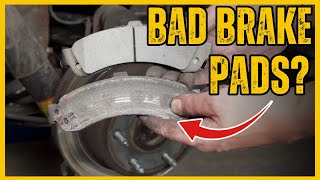
- Excessive Brake Dust: While German cars are known for producing brake dust, a sudden increase can indicate accelerated pad wear. 🎬 Watch a visual guide on common brake pad warning signs.
Known Issues, Recalls, and Service Bulletins

While there are no recalls specifically for brake pads on the 2013-2025 Audi Q3, a few related items are worth noting:
- NHTSA Recall 20V-786: A small number of 2020 Q3 models were recalled for a potential brake pedal defect where the pedal plate could deform or detach.
- NHTSA Recall 17V-400: Certain 2016-2017 Q3s were recalled because the brake lights might not activate when the parking brake is used in an emergency. This is a software issue fixed by dealers.
- Technical Service Bulletin (TSB) 2034181/21: Audi issued a TSB addressing various brake noises like squealing or groaning, providing diagnostic steps for dealers. This can be caused by pad material transfer or corrosion from the vehicle sitting for long periods.
- TSB for Rear Brakes: Another TSB notes that moisture can get into the rear brakes, causing corrosion or seizing after being stationary, leading to grinding or banging noises.
- Premature Rear Pad Wear: Some owners of newer Q3 models have reported unusually fast wear on the rear brake pads compared to the fronts.
Choosing the Right Aftermarket Brake Pads

Original Equipment (OE) pads for your Audi are often made by brands like Textar or Pagid and provide a good balance of performance, noise, and durability, but can be dusty. Aftermarket pads offer more choices to suit your driving style and budget.
Brand & Quality Tiers
1. OE-Equivalent & Premium Ceramic Brands:
- Brands: Akebono, Brembo, Textar, Pagid, Zimmerman (often paired with rotors).
- Best For: Owners who want to maintain the original feel and performance, but often with significantly less brake dust. Akebono and other ceramic pads are frequently recommended by owners for their clean operation and quiet performance.
2. Performance & Sport-Oriented Brands:
- Brands: EBC Brakes (Redstuff, Yellowstuff), Hawk Performance, Powerstop (Z23, Z26), StopTech.
- Best For: Spirited drivers who want increased stopping power and better resistance to brake fade at high temperatures. Be aware that some performance pads may create more noise or dust than OE pads and may perform poorly when cold. EBC Redstuff is often cited as a good balance of low dust and improved performance for daily driving.
3. Daily Driver & Budget-Friendly Brands:
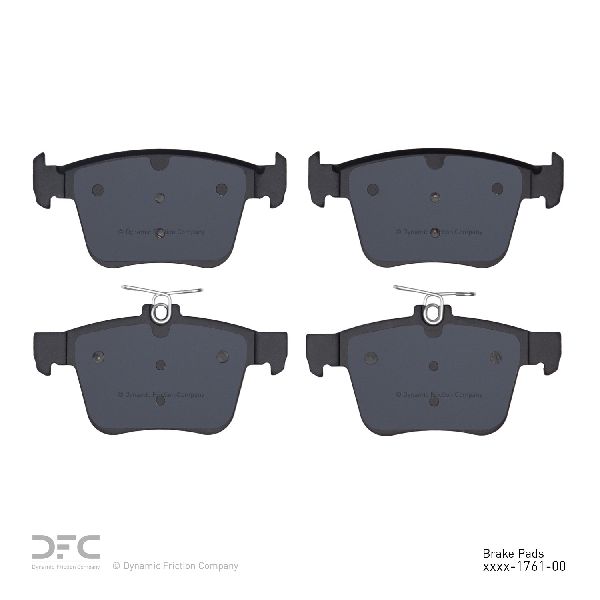
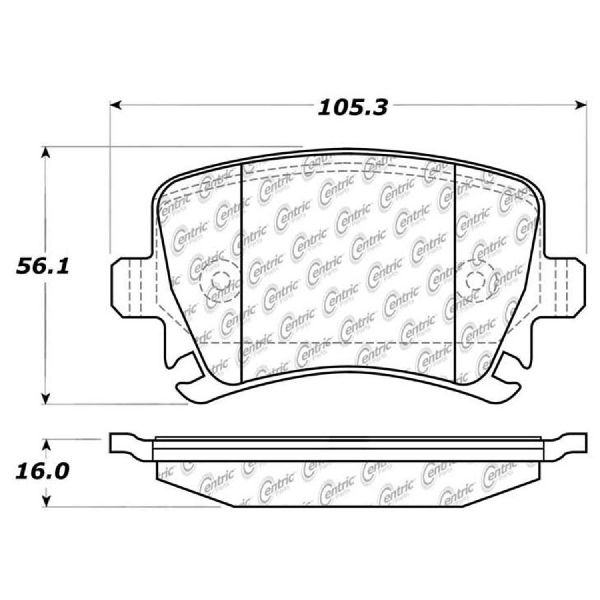
- Brands: Bosch, Centric, Dynamic Friction, Wagner Brakes, Pronto.
- Best For: Normal commuting and drivers prioritizing value. These brands offer reliable quality that meets or exceeds federal standards, providing safe stopping power for a lower cost than premium or OE options.
A Note on Brake Pad Material
Ceramic Pads: Excellent for daily driving. They are quiet, produce very little light-colored dust, and are gentle on brake rotors. Brands like Akebono specialize in these.
Semi-Metallic Pads: Often used from the factory on German cars. They offer great stopping power and handle a wide range of temperatures, but they create more dark-colored dust and can be noisier.
Estimated Costs for Brake Pad Replacement
| Item | Estimated Cost (Per Axle) |
|---|---|
| New Aftermarket Pad Set | $30 - $407 |
| New OEM Pad Set | $60 - $150 |
| Shop Labor | $114 - $167 |
| Total (Aftermarket Parts + Labor) | $144 - $574 |
Note: Costs are estimates and can vary by location and the specific parts chosen. Many shops recommend or require replacing brake rotors at the same time, which will increase the total cost.
Frequently Asked Questions (FAQ)

Do I have to replace my rotors with my brake pads?
It is highly recommended. New pads on a worn, grooved rotor will not perform well and will wear out quickly. Most shops will insist on replacing or resurfacing rotors with a pad change to ensure safety and performance. Given the cost of labor, doing both at once is more economical.
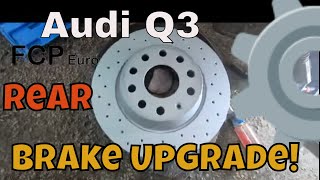
🎬 See how to replace Audi Q3 rear pads and rotors.What is an Electronic Parking Brake (EPB) and how does it affect the job?
Your Audi Q3 is equipped with an Electronic Parking Brake. This means you cannot simply push the rear caliper pistons back to fit the new pads. The EPB motor must be retracted using a specialized OBD-II scan tool (like VCDS or OBDeleven) or a 12V power source applied directly to the motor connector. Attempting to force the piston back will damage the caliper. After the job is done, the tool is used to close the caliper and recalibrate the system.
🎬 Learn how to service rear brakes and bleed the system.Why are my new brakes squeaking?
New brakes can squeak for a few reasons. First, they require a "bedding-in" procedure, which involves a series of controlled stops to transfer an even layer of friction material to the rotor. Second, if anti-squeal shims or grease were not used correctly during installation, it can cause vibrations that result in noise.
What's the difference between front and rear brake pads?
Front brakes do most of the work in stopping your vehicle, so the pads are typically larger. Rear pads are smaller. Some newer Q3 models have shown a tendency to wear out the rear pads faster than expected. You cannot interchange front and rear pads.
Helpful Videos
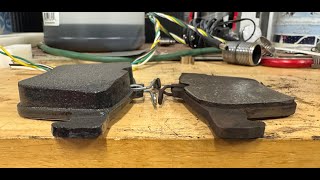
Technical Specifications
OEM Part Numbers: 5Q0698451P
Brake system includes an Electronic Parking Brake (EPB) that requires a diagnostic tool for service. Rotor sizes can vary between S-Line and non-S-Line models, so verifying with your VIN is critical.
We Have This Part in Stock
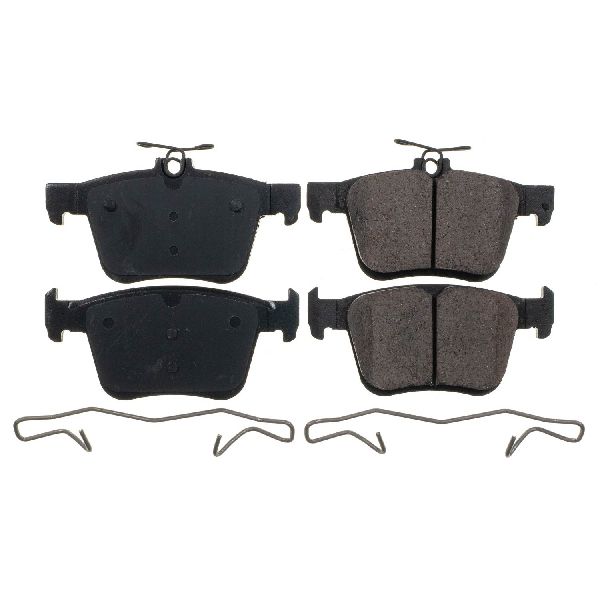
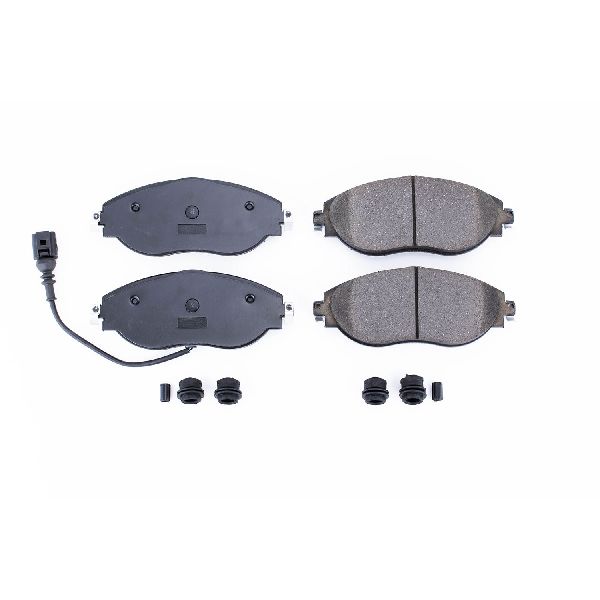
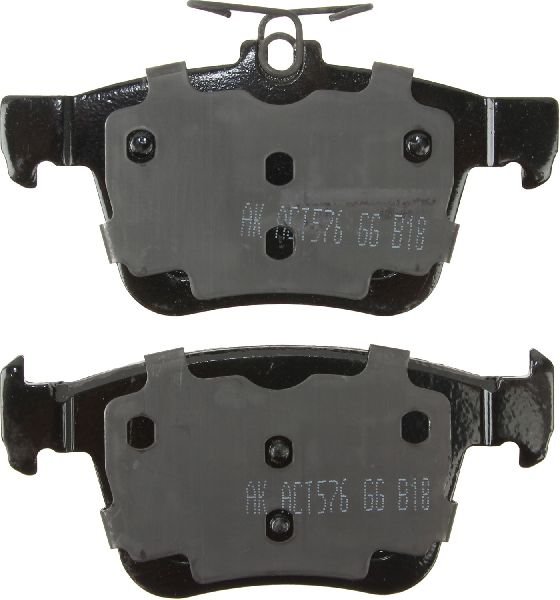

The information in this article is provided for general reference and educational purposes only. Vehicle specifications, procedures, and part compatibility can vary by production date, trim level, and region. Always consult your vehicle's factory service manual and verify part numbers before purchasing or performing repairs. Safety-critical components such as airbags, seat belts, and braking systems should be installed by a qualified professional.
- Audi Q3:
- 🎬 Helpful Videos
- 🛍️ Shop This Part
- Symptoms of Worn Brake Pads on an Audi Q3
- Known Issues, Recalls, and Service Bulletins
- Choosing the Right Aftermarket Brake Pads
- Brand & Quality Tiers
- A Note on Brake Pad Material
- Estimated Costs for Brake Pad Replacement
- Frequently Asked Questions (FAQ)
- 🎟️ Get 5% Off