

Jeep Wrangler (2013-2025) Engine Crankshaft Position Sensor Guide
Engine stalling or won't start? Your Wrangler's crankshaft position sensor might be the problem.
- Symptoms often appear when the engine is hot, such as stalling, and may lead to a no-start condition.
- For the common 3.6L V6, replacement is a simple DIY job, located on the passenger side of the engine block.
- For best results, choose a high-quality aftermarket brand like NTK or Delphi, or use an OEM Mopar part to avoid premature failure.
- Always inspect the wiring and connector for heat damage, as the harness can also be the point of failure.
Understanding Crankshaft Position Sensor Failure in Your Wrangler

A failing crankshaft position sensor is a known issue on many vehicles, including the 2013-2025 Jeep Wrangler. The sensor is a small electronic component that lives in a harsh environment on the engine block. Over time, heat, vibration, and exposure can cause it to fail. When it does, it can leave you with a vehicle that runs poorly or leaves you stranded. Symptoms often start as intermittent issues, like stalling when the engine gets hot, and can progress to a complete no-start condition.
Common Symptoms of a Bad Crankshaft Sensor

If your Wrangler is experiencing any of these issues, a faulty crankshaft position sensor could be the culprit:
- Check Engine Light: This is the most obvious sign. You'll likely see codes such as P0335 (Crankshaft Position Sensor Circuit Malfunction) or P0339 🎬 Watch this walkthrough for fixing a P0339 code on a 3.6L. (Crankshaft Position Sensor Circuit Intermittent).
- Engine Stalling: The engine may stall unexpectedly, especially after it has warmed up. It may refuse to restart until it has cooled down.
- No-Start Condition: You'll hear the engine crank, but it won't fire up and start. 🎬 See how to test your sensor during a no-start condition.
- Rough Idle and Misfires: The engine may run rough, idle poorly, or you might feel it misfiring. This can sometimes trigger a P0300 (Random/Multiple Cylinder Misfire) code.
- Poor Acceleration: You might notice the Jeep hesitates or stumbles when you try to accelerate.
Heat-Related Failures are Common
Many Wrangler owners report that sensor problems only appear after the engine is fully warmed up. The Jeep might drive fine when cold, but then stall at a stoplight and refuse to start for 15-30 minutes. This is a classic sign of an electronic component failing under heat.
Choosing the Right Aftermarket Sensor: Not All Brands Are Equal

When it comes to critical electronic sensors, quality matters. While saving money is tempting, a cheap, low-quality sensor can fail quickly, sometimes within days or miles, leaving you with the same problem. Forum discussions among Jeep owners consistently show a preference for certain brands.
Brand Quality Tiers for Jeep Wrangler
- Tier 1: OEM-Equivalent (Recommended): These brands are often the original equipment manufacturer for Mopar or are known for their high quality and reliability. For this sensor, that often means NGK/NTK or Delphi. Many Jeep owners report success with these brands as a reliable alternative to the more expensive Mopar part.
- Tier 2: Reputable Aftermarket: Brands like Standard Motor Products (SMP) and Hitachi generally have a good reputation and can be a solid choice. Dorman is also a well-known brand, though owner experiences can be mixed.
- Tier 3: Budget Brands: This category includes lesser-known or store-brand parts (like Duralast). While the low price is attractive, be cautious. For a critical sensor like this, a budget part is a gamble. Many owners who try a cheap sensor end up having to do the job twice.
A Note on Mopar vs. Aftermarket
For many electronic parts on Jeeps, the community consensus is to use the Mopar OEM part to guarantee compatibility and longevity. However, brands like NTK are often the actual manufacturer for Mopar, meaning you can get the same quality part without the dealership price tag. If you choose an aftermarket sensor, sticking to a Tier 1 brand is your best bet for a lasting repair.
Cost of Replacing the Crankshaft Position Sensor
The cost can vary depending on the part brand you choose and whether you do the work yourself or take it to a shop.
| Item | Estimated Cost |
|---|---|
| New Aftermarket Part | $24 - $122 |
| New OEM (Mopar) Part | $30 - $70 |
| Shop Labor | $100 - $180 |
| Total (DIY) | $24 - $122 |
| Total (Shop) | $124 - $302 |
Frequently Asked Questions (FAQ)

Where is the crankshaft sensor located on my Wrangler?
On 2013-2025 Wranglers with the 3.6L V6 engine, the sensor is located on the passenger side of the engine, down low where the engine block meets the transmission. You will need to access it from underneath the vehicle. For the 2.0L Turbo engine, the location is much more difficult to access, potentially requiring removal of the starter, engine mount, and generator.
Is this a difficult part to replace myself?
For the 3.6L V6, it is a relatively easy DIY job for someone with basic mechanical skills. It's held in by a single 10mm bolt and an electrical connector. Access is a bit tight, but it can usually be done in under an hour. The 2.0L Turbo is significantly more difficult and may be best left to a professional.
Do I need to do a "relearn" procedure after replacing the sensor?
Yes, a crankshaft position sensor relearn (sometimes called a cam/crank relearn) is recommended. This procedure helps the ECU synchronize with the new sensor. Some high-end OBD-II scan tools have this function, or a dealership/shop can perform it. While the engine will often run without it, performing the relearn ensures optimal timing and performance.
Could my problem be the wiring and not the sensor?
Yes. The wiring harness leading to the sensor is close to hot exhaust components and can become brittle or damaged over time. Before replacing the sensor, always inspect the connector and wiring for any signs of cracking, melting, or frayed wires. Sometimes, replacing the connector pigtail is all that's needed.
Are there any recalls for this issue?
There are no direct recalls for the crankshaft position sensor itself on the 2013-2025 Wrangler. However, there have been recalls related to the crankshaft position *signal* on other Jeep/Ram vehicles with diesel engines, caused by a faulty tone wheel. There is also a TSB (Technical Service Bulletin 18-103-20) for the 2018 JK Wrangler with the 3.6L engine that addresses a software update for the PCM to fix issues that can set a P0335 or P0339 code.
Helpful Videos

Technical Specifications
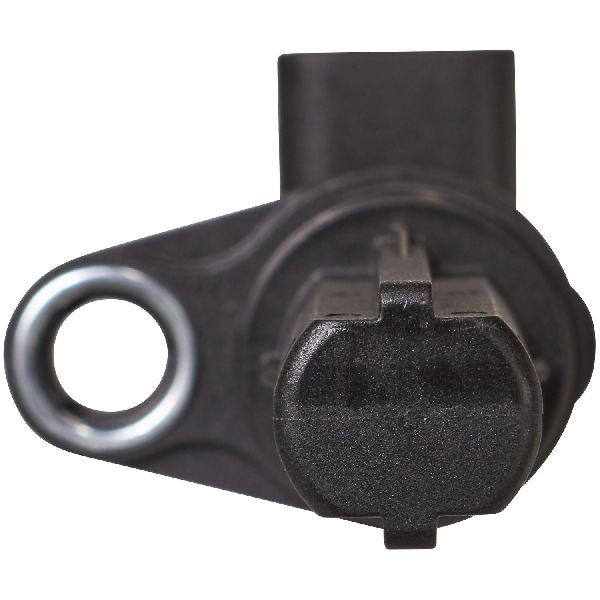
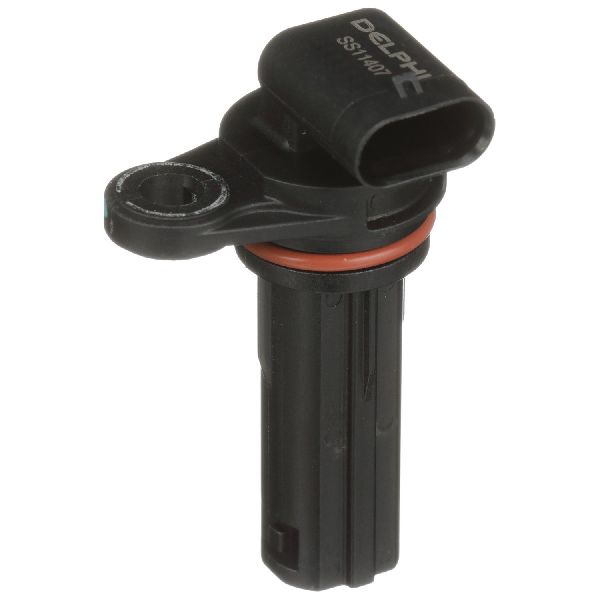
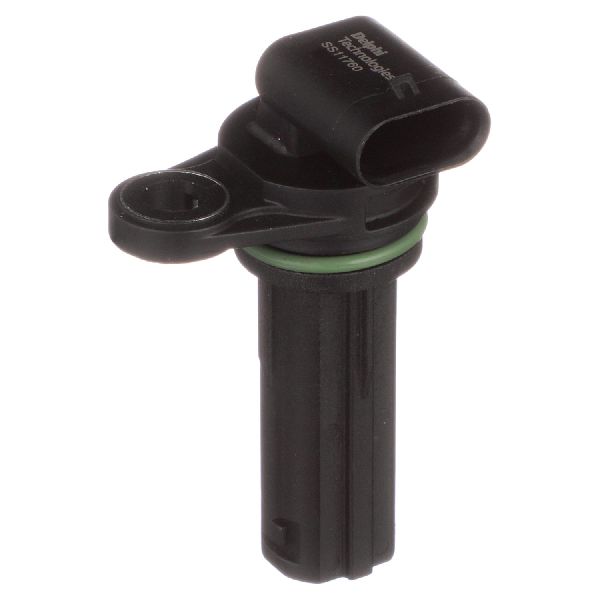
OEM Part Numbers: 68079375AB 05149141AF 4893746AA
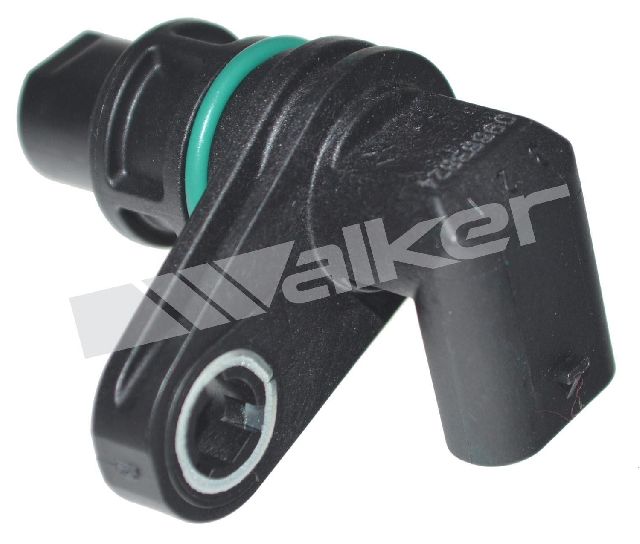
For the 3.6L V6, the sensor is located on the passenger side of the engine block, held by one 10mm bolt. For the 2.0L I4, location is more complex. The sensor provides a digital signal to the ECU based on the crankshaft's rotation.
We Have This Part in Stock


The information in this article is provided for general reference and educational purposes only. Vehicle specifications, procedures, and part compatibility can vary by production date, trim level, and region. Always consult your vehicle's factory service manual and verify part numbers before purchasing or performing repairs. Safety-critical components such as airbags, seat belts, and braking systems should be installed by a qualified professional.
- Jeep Wrangler:
- 🎬 Helpful Videos
- 🛍️ Shop This Part
- Understanding Crankshaft Position Sensor Failure in Your Wrangler
- Common Symptoms of a Bad Crankshaft Sensor
- Heat-Related Failures are Common
- Choosing the Right Aftermarket Sensor: Not All Brands Are Equal
- Brand Quality Tiers for Jeep Wrangler
- A Note on Mopar vs. Aftermarket
- Cost of Replacing the Crankshaft Position Sensor
- Frequently Asked Questions (FAQ)
- 🎟️ Get 5% Off