

Engine Coolant Temperature Sensor Guide for 2014-2016 BMW 228i
Understand the signs of a failing coolant temperature sensor and how to choose the right replacement for your BMW 228i.
- A failing ECT sensor can cause a Check Engine Light, poor fuel economy, rough idle, and overheating.
- For a critical part like this, choose a premium aftermarket brand like Delphi or a reputable one like Beck Arnley or Standard Ignition over budget options.
- Be aware of related cooling system issues like the water pump recall (24V-608) and potential for brittle coolant hoses.
- DIY replacement is possible for those with basic tools, but be prepared to top off and bleed the cooling system afterward.
Is Your 228i's Coolant Sensor Failing?
A faulty Engine Coolant Temperature (ECT) sensor can cause a variety of confusing problems. Because the sensor's reading affects so many engine functions, a bad signal can make the car behave erratically. If the sensor sends a false "cold" signal, your engine may run rich, using more fuel than necessary and potentially causing black smoke from the exhaust. If it sends a false "hot" signal, it can lead to hard starting, rough idling, and poor engine performance. In many cases, a faulty ECT sensor will trigger the Check Engine Light.
Symptoms of a Bad ECT Sensor on a BMW 228i
- Check Engine Light: A common first sign is the check engine light illuminating. Diagnostic trouble codes like P0117 (Circuit Low) or P0118 (Circuit High) often point to a sensor issue.
- Poor Fuel Economy: If the sensor incorrectly tells the computer the engine is cold, the DME will enrich the fuel mixture, causing you to use more gas.
- Engine Overheating or Running Cool: A bad sensor can prevent the cooling fans from turning on when needed, leading to overheating. Conversely, it might cause the engine to run too cool, which also hurts efficiency.
- Black Smoke from Exhaust: An overly rich fuel mixture from a false "cold" signal can result in unburned fuel exiting the tailpipe as black smoke.
- Rough Idle and Poor Performance: The engine may shake, idle poorly, or feel sluggish because the air-fuel mixture and ignition timing are incorrect.
- Erratic Temperature Gauge: While the F22 228i dashboard gauge primarily shows oil temperature, a failing coolant sensor can still cause confusing warnings on the iDrive display.
Related Cooling System Issues: Recalls and TSBs
While not a recall on the sensor itself, be aware of related cooling system issues for the 2014-2016 228i. Recall 24V-608 was issued for a faulty water pump electrical connector that could short circuit and pose a fire risk. Additionally, Technical Service Bulletin SIB 17 01 21 notes that a plastic coolant vent line can become brittle and snap, causing a sudden loss of coolant. These issues highlight the importance of maintaining the entire cooling system.
Choosing the Right Aftermarket Sensor: OEM vs. Aftermarket
For a critical sensor like the ECT, quality matters. The data it provides is vital for your BMW's performance and health. While an OEM sensor from BMW is always a safe bet, quality aftermarket parts can offer good value. Aftermarket brands can generally be grouped into tiers.
Brand Quality Tiers
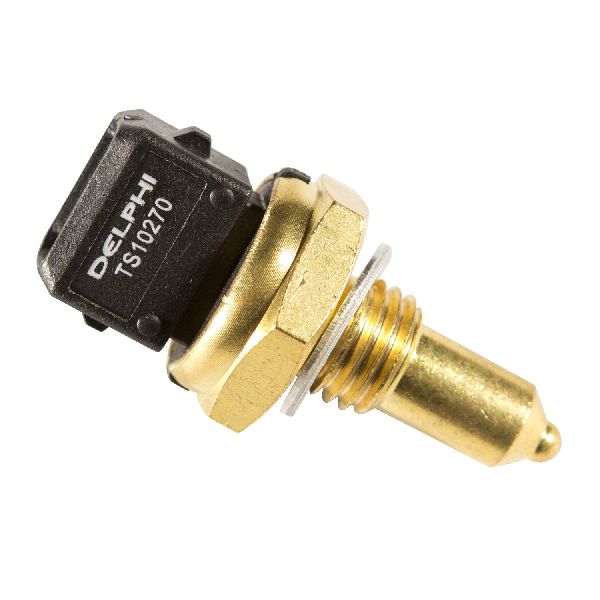
- Tier 1 - OEM Supplier/Premium Aftermarket: Brands like Delphi are often Original Equipment suppliers to manufacturers like BMW. Choosing these brands gives you a part built to the same specifications as the one your car came with. They are the safest aftermarket choice for fit, performance, and longevity.
- Tier 2 - Reputable Aftermarket: Brands such as Beck Arnley and Standard Ignition have a long history of producing quality replacement parts that aim to meet or exceed OEM specifications. They are a solid choice if an OEM-supplier brand is not available or if you're looking for a balance of price and quality.
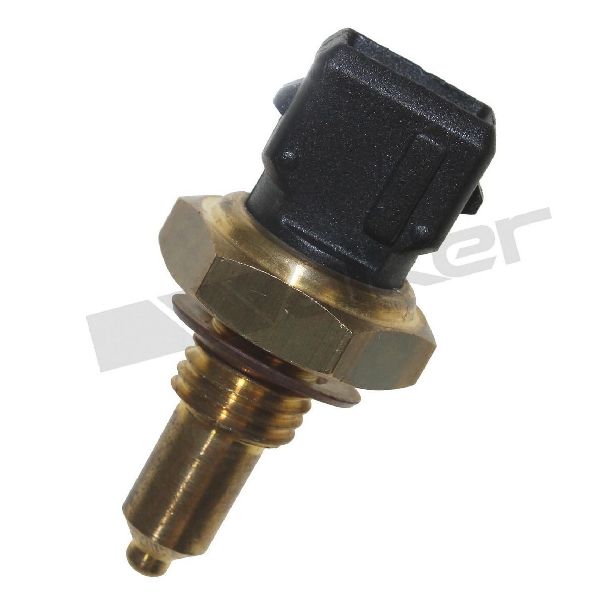
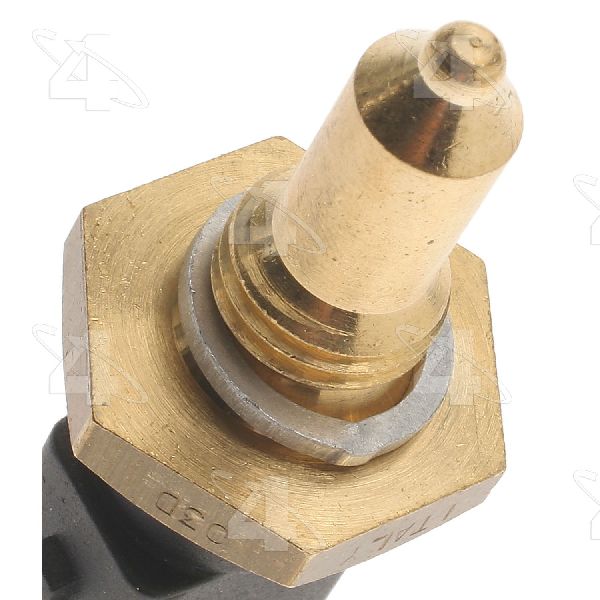
- Tier 3 - Value-Oriented: Brands like Facet, Vemo, Four Seasons, and Walker Products offer more budget-friendly options. While functional, some owner experiences in forums suggest these parts may not have the same longevity or precise calibration as higher-tier brands. For a sensitive engine like the BMW N20, saving a few dollars on a critical sensor might lead to performance issues down the road.
Pro Tip: When replacing the sensor, it's a good idea to inspect the electrical connector for any corrosion or damage. A poor connection can mimic the symptoms of a failed sensor. Also, be prepared to lose a small amount of coolant during the swap.
Cost of Replacing a BMW 228i Coolant Temperature Sensor
| Part Type | Estimated Cost |
|---|---|
| New Aftermarket Sensor | $19 - $35 |
| New OEM Sensor | $45 - $70 |
| Shop Labor | $134 - $197 |
| Total Professional Replacement | $237 - $338 |
Frequently Asked Questions (FAQ)
Where is the engine coolant temperature sensor located on the 2014-2016 BMW 228i?
On the N20 engine used in the 228i, the primary engine coolant temperature sensor is located on the cylinder head, near the oil filter housing. There is also a second sensor on the radiator outlet hose that helps control the cooling fan.
Can I replace the ECT sensor myself?
Yes, this is a feasible DIY job for someone with basic mechanical skills. It typically involves removing the engine cover for access, disconnecting the electrical plug, and unscrewing the sensor. You will lose a small amount of coolant, so you should have some BMW-approved coolant mixed 50/50 with distilled water on hand to top off the system. After replacement, the cooling system should be bled to remove any air pockets.
What is the OEM part number for the 228i coolant temperature sensor?
The most common OEM part number for the main engine coolant temperature sensor is 13621433076. Always confirm the part number with your vehicle's VIN before ordering.
Should I replace the thermostat at the same time?
It's not strictly necessary, but it can be a good preventative measure, especially on higher-mileage vehicles. Thermostat failure is also a known issue on these engines and can cause similar symptoms, such as a 'thermostat stuck open' fault code (P0597). If you are already working on the cooling system, replacing both at the same time can save on future labor costs.
Technical Specifications
OEM Part Numbers: 13621433076 13620150974 23017838935
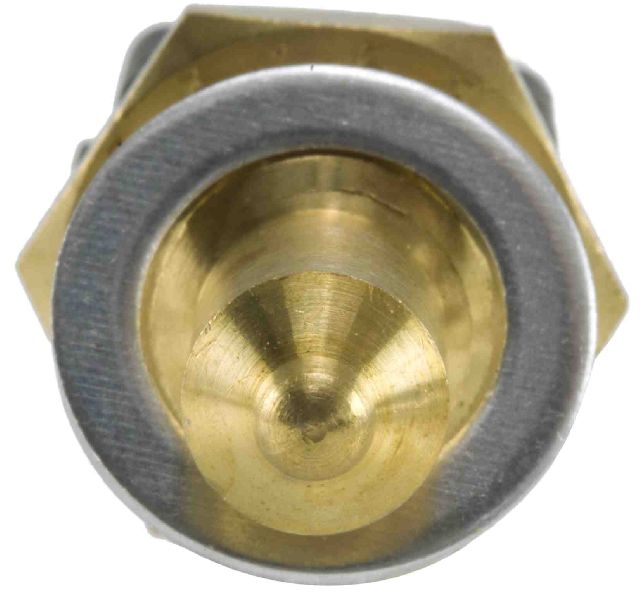
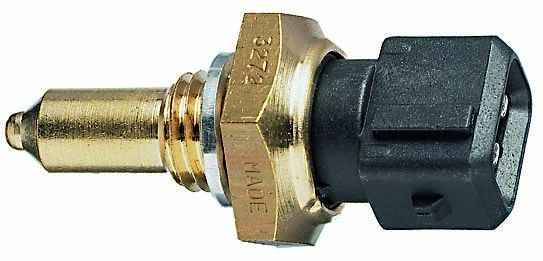
The sensor for the 2014-2016 BMW 228i is a 2-terminal thermistor that changes its electrical resistance based on coolant temperature. It is typically located on the cylinder head of the N20 engine.
We Have This Part in Stock


The information in this article is provided for general reference and educational purposes only. Vehicle specifications, procedures, and part compatibility can vary by production date, trim level, and region. Always consult your vehicle's factory service manual and verify part numbers before purchasing or performing repairs. Safety-critical components such as airbags, seat belts, and braking systems should be installed by a qualified professional.
- BMW 228i:
- 🛍️ Shop This Part
- Is Your 228i's Coolant Sensor Failing?
- Symptoms of a Bad ECT Sensor on a BMW 228i
- Related Cooling System Issues: Recalls and TSBs
- Choosing the Right Aftermarket Sensor: OEM vs. Aftermarket
- Brand Quality Tiers
- Cost of Replacing a BMW 228i Coolant Temperature Sensor
- Frequently Asked Questions (FAQ)
- 🎟️ Get 5% Off