

A Guide to Ignition Coils for the 2014-2016 BMW 228i
Experiencing engine misfires or a rough idle? Your ignition coils might be the culprit. Here's what you need to know.
- Ignition coil failure is a common issue causing misfires, rough idle, and a check engine light.
- For best results, replace all four coils at once, along with spark plugs if they are due for service.
- Choose OEM-supplier brands like Delphi or Bosch for the most reliable performance.
- This is a simple DIY repair that can be completed in under an hour with basic tools.
Symptoms of a Failing Ignition Coil
Ignition coils on the BMW N20 engine are a common wear item. When a coil starts to fail, it can't deliver the high voltage the spark plug needs, leading to a variety of noticeable engine problems. You don't have to be a mechanic to spot the signs. Here are the most common symptoms:
- Engine Misfires & Rough Idle: This is the most frequent symptom. You may feel the engine shaking or vibrating, especially when stopped at a light or idling. The car might feel like it's sputtering or hesitating.
- Check Engine Light: A failing ignition coil will almost always trigger the check engine light on your dashboard. A diagnostic scan will typically show codes like P0300 (random misfire) or, more specifically, P0301, P0302, P0303, or P0304, which point to a misfire in a specific cylinder.
- Loss of Power: With one cylinder not firing correctly, your 228i will feel sluggish and slow to accelerate.
- Reduced Fuel Economy: Your car's computer may try to compensate for the misfire by using more fuel, causing you to visit the gas station more often.
- Difficulty Starting: In more severe cases, where multiple coils have failed or one has failed completely, the engine may be difficult to start or may not start at all.
Choosing the Right Aftermarket Ignition Coil
When it comes to replacing ignition coils on your 228i, you have several options. Not all aftermarket parts are created equal. For a sensitive engine like the N20, using a quality part is key to avoiding more headaches down the road.
Aftermarket Brand Tiers for BMW 228i
| Tier | Brands | Description |
|---|---|---|
| OEM Supplier | Bosch, Delphi | These companies are original equipment manufacturers for BMW. A part from them is often the exact same as the one from the dealer, just in a different box. Forum discussions show that while Bosch was an original supplier, BMW later switched to Delphi to resolve premature failures. For the N20 engine, both are considered top-tier choices, with many owners and shops leaning towards Delphi. |
| Reputable Aftermarket | NGK, Standard Ignition, Hitachi | These are well-known brands with a strong reputation for quality and reliability. They are a solid choice if an OEM supplier part is not available or if you're looking for a balance of quality and price. NGK, in particular, is a trusted name in ignition components. |
| Performance | Mishimoto, Dinan | These brands offer coils that promise a slight increase in spark energy, up to 10% more than stock. While they won't dramatically increase horsepower on their own, they are designed to restore spark quality and can be a good option for tuned or high-performance applications. |
| Value-Oriented | DriveWire, Global Parts, True Tech, Walker Products | These brands offer a budget-friendly solution. While they will get your car running, their long-term durability and performance may not match the higher-tiered brands. They can be a suitable choice if you are on a tight budget or plan on selling the vehicle soon. |
Pro Tip: Replace in Sets
If one ignition coil fails, the others are likely not far behind as they have all been exposed to the same heat and wear over the same amount of time. To save on future labor and ensure consistent performance, it is highly recommended to replace all four ignition coils at the same time. It's also a perfect time to inspect and replace your spark plugs if they are due.
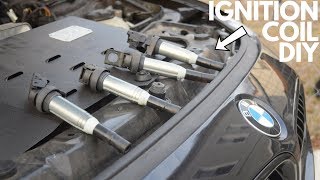
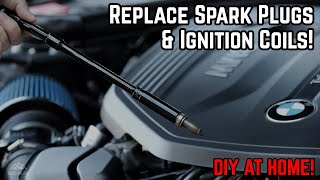
🎬 See how to replace both spark plugs and coils yourself.Frequently Asked Questions (FAQ)
Should I replace all four ignition coils at once?
Yes. It is strongly recommended to replace all four coils simultaneously. Since all coils have the same age and have endured the same conditions, the failure of one often indicates that the others may fail soon. This saves you from repeated repairs and ensures smooth, balanced engine performance.
Is it difficult to replace the ignition coils myself?
No, this is a very DIY-friendly job. The ignition coils on the N20 engine are located directly on top of the engine and are easily accessible after removing the plastic engine cover. The process involves unclipping an electrical connector and pulling the coil straight out. It requires minimal tools and can typically be done in under an hour.
🎬 Watch this quick guide on how to change BMW ignition coils.What is the difference between OEM and aftermarket coils?
OEM (Original Equipment Manufacturer) parts are what your car was built with. For the 228i, brands like Bosch and Delphi are OEM suppliers. Their aftermarket versions are often identical to the dealer part, minus the BMW logo. Other aftermarket brands may offer similar performance at a lower cost, but quality can vary. Sticking with OEM-supplier brands is the safest bet for reliability.
Are there any recalls for the 2014-2016 BMW 228i ignition coils?
My search did not find any specific recalls for ignition coil failure on the 2014-2016 BMW 228i. However, BMW did issue a technical service bulletin (TSB) for other models of the same era, recommending a switch from Bosch to Delphi coils to address failures, which is useful information for 228i owners.
Helpful Videos
Technical Specifications
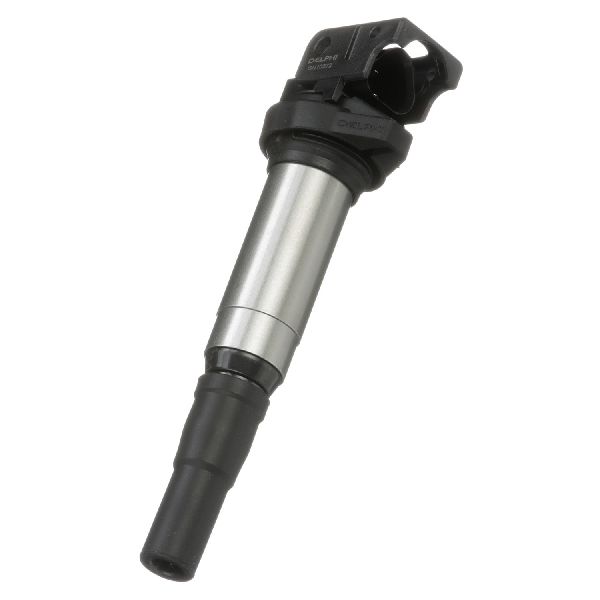
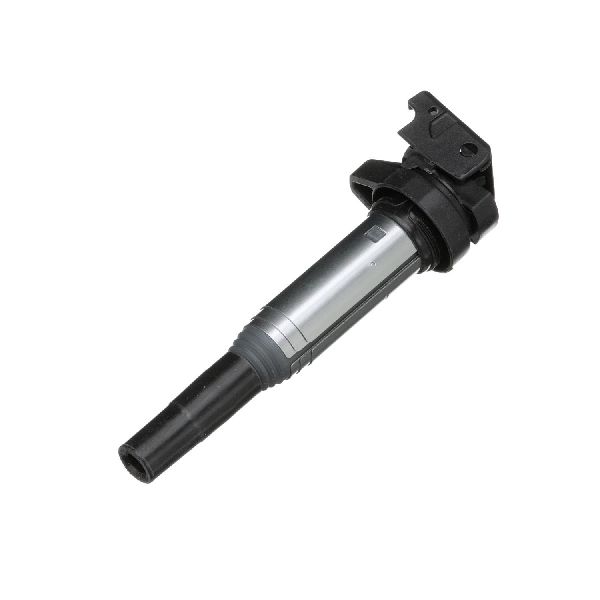
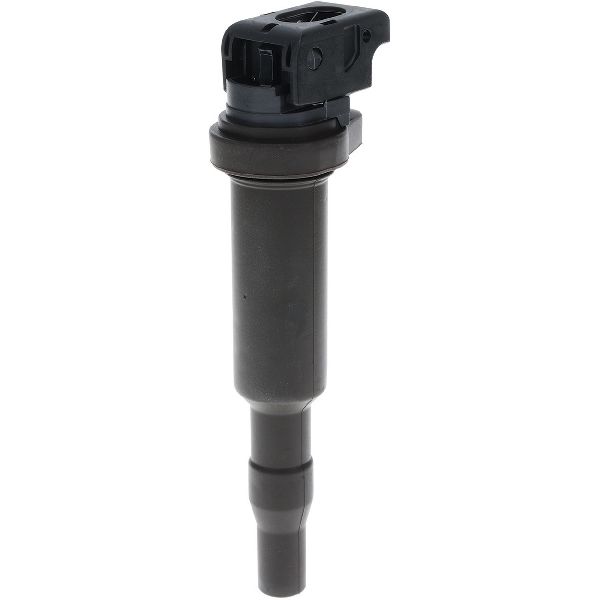
OEM Part Numbers: 12138616153 12137594937 12137562744 12137571643 12138657273
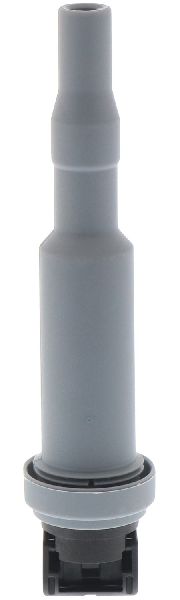
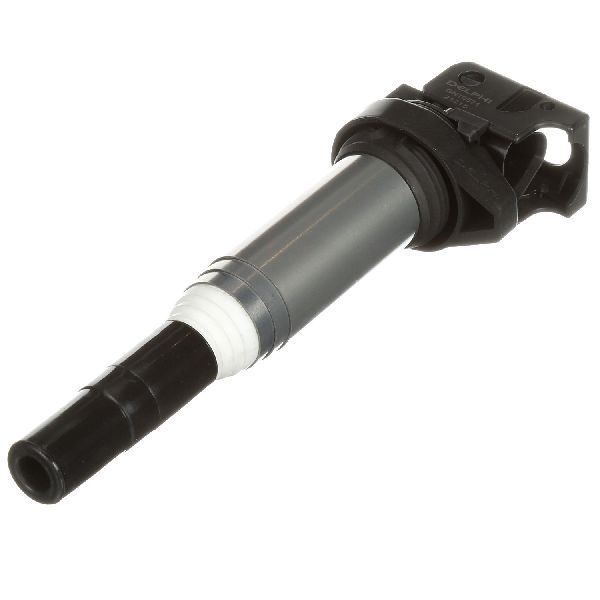
This vehicle uses four individual coil-on-plug style ignition coils. The replacement procedure is the same for all four cylinders.
We Have This Part in Stock


The information in this article is provided for general reference and educational purposes only. Vehicle specifications, procedures, and part compatibility can vary by production date, trim level, and region. Always consult your vehicle's factory service manual and verify part numbers before purchasing or performing repairs. Safety-critical components such as airbags, seat belts, and braking systems should be installed by a qualified professional.
- BMW 228i: