

2014-2016 BMW 428i Engine Coolant Temperature Sensor: A Complete Guide
Understanding the signs of a failing coolant temperature sensor in your 428i can save you from bigger headaches down the road.
- A failing coolant sensor in your 428i can cause a check engine light, poor fuel economy, and overheating.
- Do not ignore overheating warnings, as this can lead to severe engine damage.
- Replacement is a DIY-friendly task, but using a quality aftermarket brand like Delphi or NGK is recommended for reliability.
- While there's no recall for the sensor, check if your vehicle is affected by the water pump recall (NHTSA 24V-608), which can also cause cooling issues.
Is Your BMW 428i's Coolant Sensor Failing?
A bad engine coolant temperature (ECT) sensor can cause a range of confusing problems for your 2014-2016 BMW 428i. Since this sensor provides critical data to the engine computer, a wrong signal can make the car behave erratically. You might notice poor fuel economy, a check engine light, or even black smoke from the exhaust. 🎬 Watch this video to learn more about bad sensor symptoms. In some cases, the engine's cooling fan might run all the time or not turn on at all, leading to potential overheating.
Overheating is a Serious Risk
If the sensor fails to report a high temperature, the cooling fans may not activate when needed. Continuing to drive an overheating engine can lead to severe and expensive damage, including a warped cylinder head or complete engine failure. If you see a warning to stop the vehicle, pull over immediately and let the engine cool.
Choosing the Right Aftermarket Sensor for Your 428i
When replacing the ECT sensor, you have a choice between Original Equipment (OEM) and aftermarket parts. For a critical sensor like this, quality matters. Some aftermarket sensors may not have the same accuracy as the original part, which can affect performance.
- Premium Aftermarket (e.g., Delphi, NGK/NTK, Vemo): These brands often have a strong reputation and may even be the original manufacturer for BMW. They are designed to meet or exceed OEM specifications and are a reliable choice for your 428i. A review for a Delphi sensor specifically mentioned it was a perfect fit for a 2015 428i.
- Standard Aftermarket (e.g., Standard Ignition, Beck Arnley, Four Seasons): These are generally good quality parts that offer a balance of price and performance. They are designed as direct-fit replacements and undergo testing to ensure reliability.
- Budget-Friendly Options: While the lowest price can be tempting, these sensors may have a higher risk of failure or inaccurate readings. For a sensitive engine like the BMW N20, it's often worth spending a little more for a reputable brand to avoid future issues. 🎬 See how a new sensor fixed a stuck temperature reading.
Pro Tip: Check the Connector
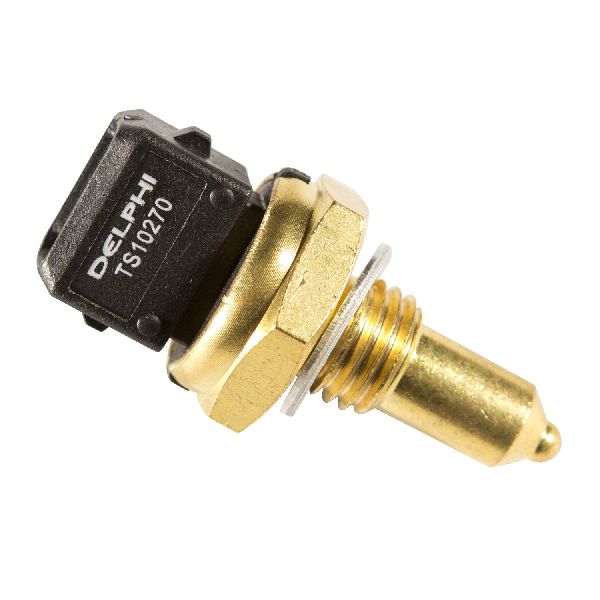
Before buying, visually inspect the connector on your current sensor. While most parts are direct-fit, some universal or multi-application parts might require reusing the original connector. Ensuring the new part matches will make installation much smoother.
Cost to Replace the Engine Coolant Temperature Sensor
The cost can vary depending on whether you do the work yourself or go to a repair shop. The part itself is relatively inexpensive.
| Item | Estimated Cost |
|---|---|
| New Aftermarket Sensor | $19 - $35 |
| New OEM Sensor | $50 - $182 |
| Shop Labor | $73 - $107 |
| Total (Shop Repair) | $217 - $290 |
Frequently Asked Questions
Where is the coolant temperature sensor located on a 2014-2016 BMW 428i?
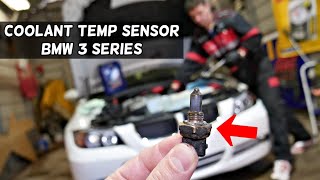
The BMW N20 engine in your 428i has more than one sensor related to temperature. The primary engine coolant temperature sensor is typically located on the cylinder head. 🎬 Watch a demonstration of where to find the sensor. Another sensor that measures coolant temperature is integrated into the thermostat housing. Always verify the location for your specific repair before starting.
Can I replace the coolant temperature sensor myself?
Yes, this is a DIY-friendly job for many home mechanics. The sensor is usually accessible. The job involves unplugging the electrical connector, unscrewing or unclipping the old sensor, and installing the new one. You should perform this on a cold engine to avoid burns and minimize coolant loss.
Are there any recalls for the coolant temperature sensor on the BMW 428i?
There are no specific recalls for the engine coolant temperature sensor itself. However, there is a recall (NHTSA 24V-608) for the electric water pump on 2014-2016 428i models, where a faulty seal could lead to an electrical short. While not directly the sensor, a water pump issue can cause overheating symptoms. There was also a warranty extension for the engine coolant thermostat on some models.
What happens if I ignore a bad coolant temperature sensor?
Ignoring a bad sensor can lead to several problems. You will likely experience poor fuel economy as the engine computer may enrich the fuel mixture, thinking the engine is cold. This can also lead to black smoke from the exhaust. Most importantly, you risk engine overheating if the sensor fails to trigger the cooling fans, which can cause catastrophic engine damage.
Helpful Videos
![[SOLVED & FiXED] BMW Engine Coolant Sensor STUCK on Cold Temp #diyrepair #mechanic](https://img.youtube.com/vi/gJDSCefjTUA/mqdefault.jpg)
Technical Specifications
OEM Part Numbers: 13621433076
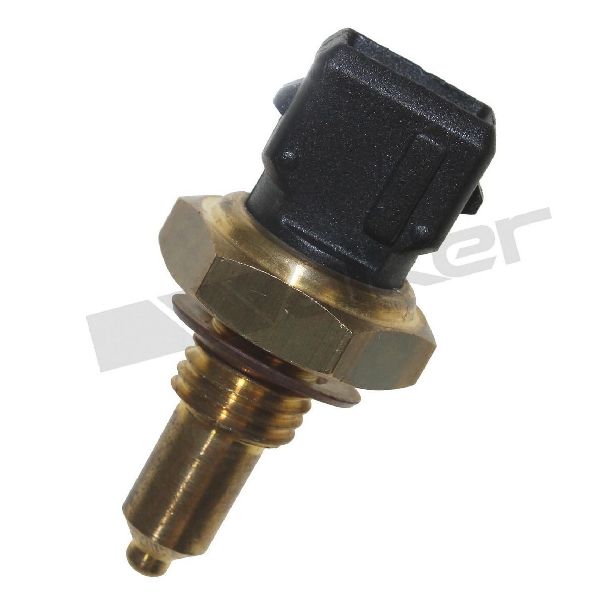
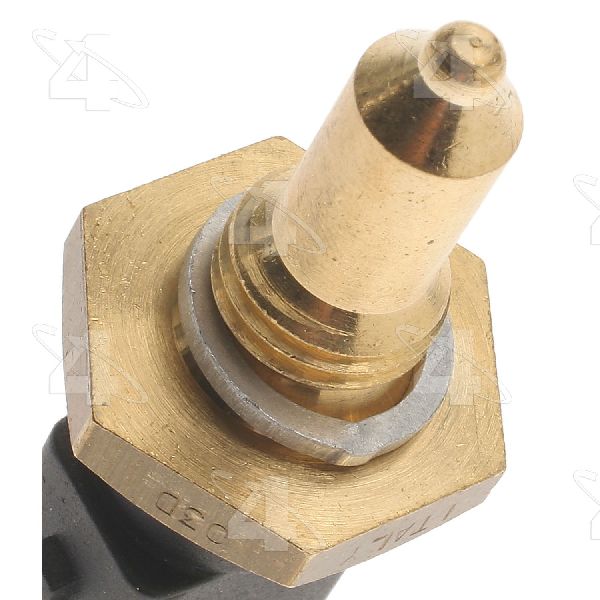
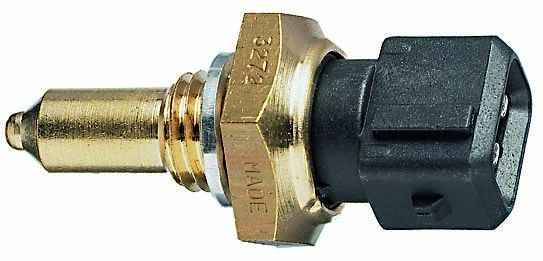
Typically a 2-pin, plug-in sensor that is either threaded or secured with a clip.
We Have This Part in Stock


The information in this article is provided for general reference and educational purposes only. Vehicle specifications, procedures, and part compatibility can vary by production date, trim level, and region. Always consult your vehicle's factory service manual and verify part numbers before purchasing or performing repairs. Safety-critical components such as airbags, seat belts, and braking systems should be installed by a qualified professional.
- BMW 428i: