

Engine Oil Cooler and Gasket Guide for the 2014-2016 BMW 428i
Understanding the common oil leaks on your 428i and how to fix them correctly the first time.
- The oil leak is almost certainly from the oil filter housing gaskets, not the metal cooler itself.
- Do not delay this repair; a leaking gasket can cause the serpentine belt to fail, leading to potential engine damage.
- Always replace both the housing-to-block gasket and the cooler-to-housing gasket at the same time.
- For a reliable repair, consider an OEM-supplier brand like Mahle for the cooler and genuine BMW gaskets.
Is Your BMW 428i Leaking Oil? Here’s the Real Story
If you own a 2014-2016 BMW 428i, you might notice an oil leak near the front of the engine. While it's easy to suspect the engine oil cooler, the actual problem is almost always the rubber gaskets that seal the oil filter housing assembly. This is a very common issue on BMW's N20 engine. Over time, the intense heat from the engine causes these rubber gaskets to become hard, brittle, and flat, which allows pressurized oil to leak out.
Critical Warning: A Gasket Leak Can Be a Major Problem
The oil filter housing is located directly above the serpentine belt. When the gasket fails, oil drips onto the belt, causing the rubber to soften and degrade. This can make the belt slip off its pulleys. If the belt gets pulled into the engine's front crankshaft seal, it can lead to catastrophic engine failure. Do not ignore an oil leak from this area.
Symptoms of a Failing Oil Cooler or Gasket
The signs of a failing oil cooler are often caused by the gaskets, not the metal cooler itself. Here’s what to look for:
- Visible Oil Leak: This is the most common sign. You'll see oil on the front passenger side of the engine, often coating the oil filter housing, the alternator below it, and other parts.
- Burning Oil Smell: Oil dripping onto hot engine parts will create a distinct burning smell that you might notice inside or outside the car.
- Low Engine Oil Warning: A steady leak will cause your oil level to drop, possibly triggering the dashboard warning light between oil changes.
- Oil in Coolant: In severe cases, a failure of the internal seals can allow oil and coolant to mix. This can look like a milky, coffee-colored substance in your coolant reservoir or under the oil cap. This requires immediate attention.
Choosing the Right Aftermarket Part
When it's time for a replacement, you have several choices. Since the gaskets are the usual failure point, it's often best to replace them along with the cooler, or at least inspect the cooler while replacing the gaskets. Here’s a look at some available brands:
- Mahle: Mahle is often an Original Equipment Manufacturer (OEM) for BMW, meaning they supply parts for the cars when they are first built. Choosing a Mahle oil cooler is often the safest bet for quality and fitment that is equivalent to the original part.
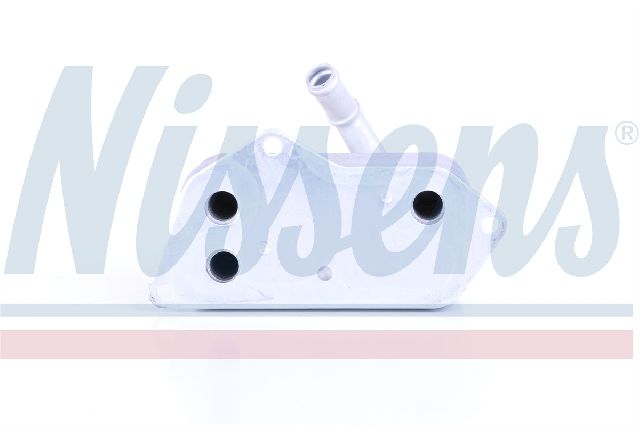
- Nissens: Nissens is a well-respected brand in the automotive cooling system world. They are a solid choice for radiators and coolers and are often considered a high-quality aftermarket alternative.
- Vemo: Vemo is another aftermarket brand that offers parts for German vehicles. Some users report them as being OEM quality.
- URO Parts: URO Parts provides more budget-friendly options. Quality can sometimes be inconsistent compared to OEM suppliers, but they can be a viable option for less critical components or for those on a tighter budget.
- Derale: Derale is known more for universal and high-performance cooling solutions rather than direct OEM-style replacements for this specific application.
Pro Tip: Because the main failure is the gasket, always replace both the oil filter housing-to-engine block gasket and the oil cooler-to-oil filter housing gasket at the same time. Many mechanics recommend using genuine BMW gaskets even if you choose an aftermarket cooler, as they are known to provide a better, longer-lasting seal.
Cost of Replacing a BMW 428i Engine Oil Cooler
The total cost will depend on whether you are replacing just the gaskets or the entire oil cooler assembly. The job is labor-intensive due to the need to remove other components to gain access.
| Part/Service | Estimated Cost |
|---|---|
| New Aftermarket Oil Cooler | $72 - $118 |
| New OEM Oil Cooler | $220 - $300+ |
| Shop Labor | $300 - $700+ |
| Total Professional Job | $400 - $900+ |
Frequently Asked Questions (FAQ)
Is it the oil cooler or just the gasket that's leaking?
In almost all cases on the N20 engine, the leak is from the hardened rubber gaskets, not a crack in the metal oil cooler itself. The cooler is robust, but the gaskets are a known wear item. A mechanic should confirm, but plan on replacing the gaskets as the primary fix.
Can I replace the oil cooler myself?
This is a challenging DIY job. It requires draining coolant and some oil, and you may need to partially remove the intake manifold and engine computer to access all the bolts. It requires special tools like E-Torx sockets. While possible for an experienced DIYer, many owners will prefer to have a professional shop handle it. The job can take a few hours.
Are there any recalls for the oil cooler on my 428i?
There are no specific recalls for the common oil filter housing gasket leak, as it's considered a wear-and-tear item. There was a recall (NHTSA 17V-240) for improperly manufactured oil cooler *lines* on a very small number of BMWs, but this is a separate issue from the common gasket leak. Always check with a dealer or the NHTSA website with your VIN for any open recalls.
Should I upgrade my oil cooler?
For a standard, daily-driven 428i, an OEM-quality replacement is perfectly sufficient. Upgraded, larger oil coolers are available for those who track their car or have significantly increased engine power, as they can help keep oil temperatures lower under extreme stress. For most owners, it is not a necessary expense.
Technical Specifications
OEM Part Numbers: 11427525333 11428683206
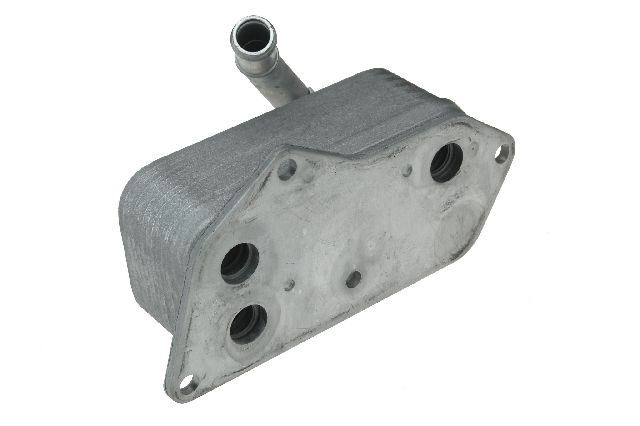
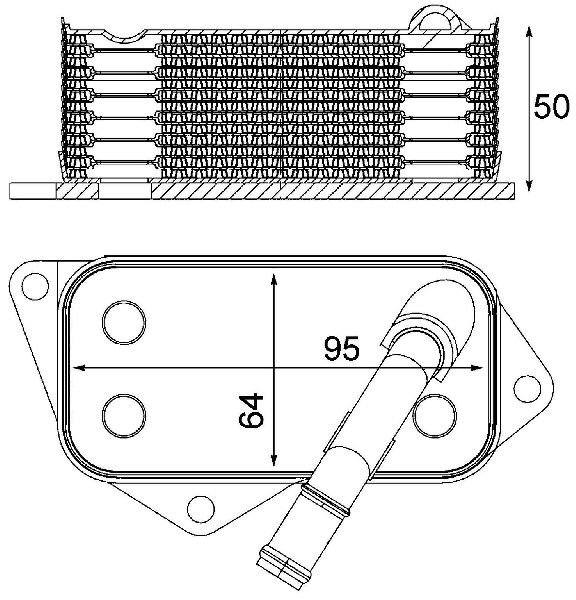
The engine oil cooler is a heat exchanger mounted to the oil filter housing on the N20 engine. It uses engine coolant to regulate the temperature of the engine oil. The primary failure points are the two rubber gaskets: one between the cooler and the housing, and one between the housing and the engine block.
We Have This Part in Stock

The information in this article is provided for general reference and educational purposes only. Vehicle specifications, procedures, and part compatibility can vary by production date, trim level, and region. Always consult your vehicle's factory service manual and verify part numbers before purchasing or performing repairs. Safety-critical components such as airbags, seat belts, and braking systems should be installed by a qualified professional.
- BMW 428i: