

BMW M235i Engine Coolant Temperature Sensor Guide (2014-2016)
Understanding the signs of a failing engine coolant temperature sensor is key to maintaining your M235i's performance and preventing bigger problems.
- A failing sensor often puts the M235i in a fail-safe mode, causing the cooling fan to run at full speed.
- Symptoms include a check engine light, poor fuel economy, and an inoperative oil temperature gauge.
- Replacement is a simple DIY task, located on the cylinder head near the oil filter housing.
- For best results, choose an OEM sensor or a high-quality aftermarket brand like Delphi, Vemo, or Standard Ignition.
Symptoms of a Failing Coolant Temperature Sensor
When the coolant temperature sensor on your M235i starts to fail, the engine computer (DME) can receive incorrect data or no data at all. This often forces the car into a "fail-safe" mode to protect the engine. Look out for these common signs:
- Check Engine Light: This is often the first sign. The DME will log fault codes when it detects a problem with the sensor's signal.
- Cooling Fans Running at Full Speed: If the DME gets an illogical temperature reading (like a common BMW failure reading of -128°C), it will assume the worst and run the cooling fans on high to prevent potential overheating.
- Poor Fuel Economy: A faulty sensor might trick the DME into thinking the engine is always cold, causing it to inject more fuel than necessary.
- Black Smoke from Exhaust: An overly rich fuel mixture, caused by a bad sensor reading, can result in unburnt fuel burning in the exhaust, creating black smoke.
- Engine Overheating or Running Too Cool: The sensor helps control the thermostat and fans. If it fails, the engine might not warm up to the proper operating temperature, or it could overheat.
- Rough Idle and Poor Performance: Incorrect fuel and timing adjustments from a bad sensor reading can make the engine run poorly.
- Oil Temperature Gauge Inoperative: On some BMWs, a coolant sensor failure can also cause the oil temperature gauge on the dashboard to stop working.
WARNING: Risk of Burns
Never open the coolant expansion tank cap or attempt to replace this sensor when the engine is hot. The cooling system is pressurized and can cause severe burns. Always wait for the engine to cool down completely.
Choosing the Right Aftermarket Sensor
While an OEM sensor from a BMW dealer is always an option, high-quality aftermarket parts can offer the same performance for a lower price. For a critical sensor on a performance engine like the N55, it's best to avoid the cheapest options and stick with reputable brands. Here’s a breakdown of the available brands:
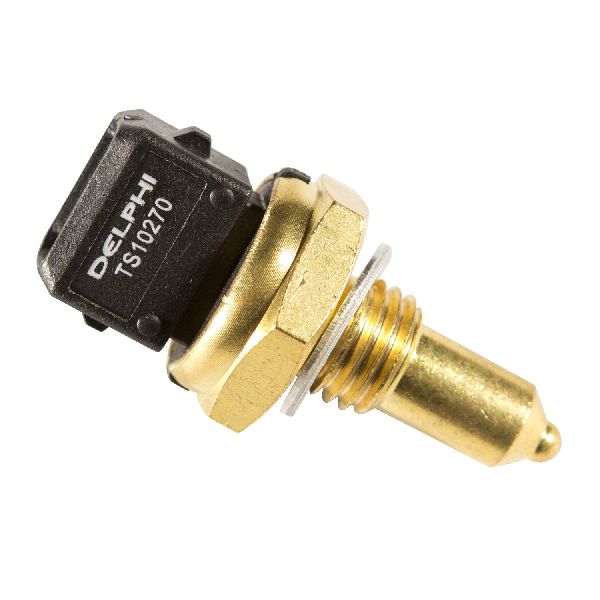
- Top Tier (OE-Equivalent): Brands like Delphi and Vemo (often sold as VNE) are known Original Equipment suppliers for BMW and other European manufacturers. These parts are engineered to meet or exceed the original specifications and are a reliable choice.
- Reputable Aftermarket: Brands such as Beck Arnley, NGK, and Standard Ignition (SMP) have a long history of producing quality aftermarket components. They are a solid choice for a balance of price and reliability.
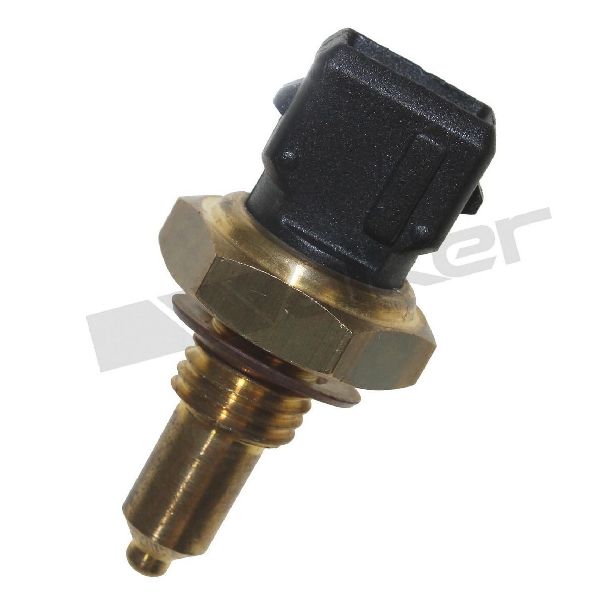
- Value Brands: Brands like Facet, Walker Products, and Global Parts offer a lower price point. While they can be a budget-friendly solution, their long-term reliability and precision on a sensitive BMW engine may be inconsistent. For a part this critical to engine health, investing a few extra dollars in a higher-tier brand is recommended.
Pro Tip: Check the Connector
Before replacing the sensor, inspect the electrical connector and wiring. Corrosion or damage to the connector pins can cause the same symptoms as a failed sensor. When you install the new sensor, make sure the new O-ring is properly seated to prevent leaks.
Cost of Replacing the Engine Coolant Temperature Sensor
| Part Type | Estimated Cost |
|---|---|
| New OEM (Genuine BMW) | $50 - $70 |
| New Aftermarket | $19 - $69 |
| Shop Labor | $50 - $100 |
Frequently Asked Questions
Where is the engine coolant temperature sensor located on a 2014-2016 M235i?
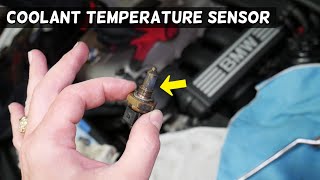
The primary engine coolant temperature sensor is located on the cylinder head, near the oil filter housing. 🎬 Watch this video to see the exact sensor location. It is relatively easy to access from the top of the engine. There is a second coolant temperature sensor on the lower radiator hose, but the one on the cylinder head is the most common failure point for these symptoms.
Is this a difficult DIY job?
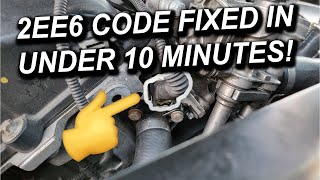
No, this is a very DIY-friendly job. It typically requires a 22mm wrench or deep socket and takes less than 30 minutes. 🎬 Follow this step-by-step guide to replace your sensor. Since the sensor is high on the engine, you will lose very little coolant if the engine is cold.
What are the common fault codes for a bad coolant sensor?
Common OBD-II codes are P0128 (Coolant Temperature Below Thermostat Regulating Temperature) and P0117/P0118 (Sensor Circuit Low/High). BMW-specific codes often include 1D2008 (Map-controlled thermostat, stuck open) and 10AA30 (Coolant temperature sensor: Group error), which may appear together.
Is an OEM sensor really better for my M235i?
For critical electronics on a BMW, using an OEM part or a part from an OE supplier (like Delphi or VNE) is the safest choice to ensure perfect communication with the DME. While a quality aftermarket part from a brand like Standard Ignition or NGK will likely work well, the small price difference often makes the OE/OEM part a worthwhile investment for peace of mind.
Helpful Videos
![[SOLVED & FiXED] BMW Engine Coolant Sensor STUCK on Cold Temp #diyrepair #mechanic](https://img.youtube.com/vi/gJDSCefjTUA/mqdefault.jpg)

Technical Specifications
OEM Part Numbers: 13621433076 13627580635
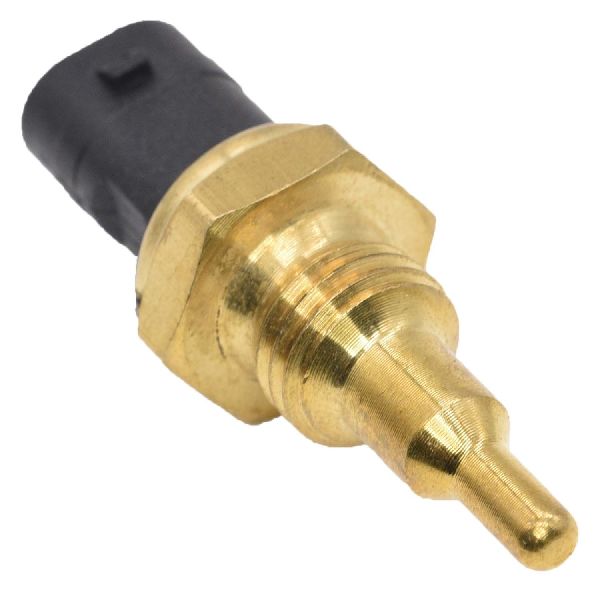
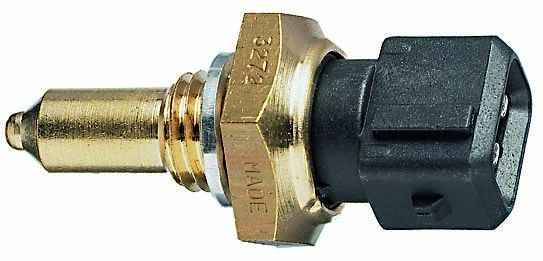
The primary sensor is located on the cylinder head. It uses electrical resistance to measure coolant temperature and sends a voltage signal to the DME.
We Have This Part in Stock


The information in this article is provided for general reference and educational purposes only. Vehicle specifications, procedures, and part compatibility can vary by production date, trim level, and region. Always consult your vehicle's factory service manual and verify part numbers before purchasing or performing repairs. Safety-critical components such as airbags, seat belts, and braking systems should be installed by a qualified professional.
- BMW M235i: