

Cadillac ELR Engine Coolant Temperature Sensor Guide (2014-2016)
Understanding the signs of a failing engine coolant temperature sensor in your ELR and how to choose the right replacement part.
- A failing ECT sensor primarily affects the 1.4L gas engine, causing issues like poor fuel economy, rough idle, and potential overheating.
- When replacing, inspect the sensor's electrical connector for coolant moisture, as fluid can travel up the wires and damage the ECM.
- ACDelco is the OEM brand, but reputable aftermarket options like Standard Ignition and Walker Products offer reliable quality.
- The Cadillac ELR shares its engine and this sensor with the 2011-2015 Chevrolet Volt, expanding your part options.
Symptoms of a Failing ECT Sensor in a Cadillac ELR
A failing Engine Coolant Temperature (ECT) sensor can cause a range of problems for your ELR's gasoline engine. Because the sensor's data is used to control fuel and timing, a bad signal can lead to noticeable performance issues. Watch for these common signs:
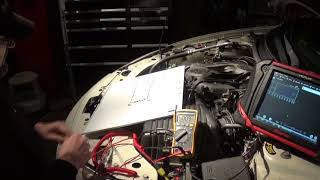
- Check Engine Light: This is often the first sign. The ECM will trigger a Check Engine Light if it detects a problem with the sensor's circuit or receives an implausible signal. Common trouble codes include P0115, P0116, P0117, P0118, and P0128. 🎬 Watch: Troubleshooting a P0118 error code on a Chevy Volt
- Poor Fuel Economy: If the sensor incorrectly tells the ECM that the engine is always cold, the computer will continuously supply a rich fuel mixture. This wastes fuel and reduces your miles per gallon when the gas engine is running.
- Engine Overheating or Incorrect Gauge Readings: A faulty sensor might fail to trigger the cooling fans when needed, leading to the engine overheating. Conversely, it could cause the temperature gauge on your dash to read incorrectly, either showing hot when the engine is not or staying on cold.
- Black Smoke from Exhaust: An overly rich fuel mixture, caused by a false 'cold' signal, may not burn completely. This unburnt fuel can exit through the exhaust, creating black smoke.
- Rough Idle and Poor Performance: When the gas engine is running, an incorrect fuel mixture can cause a rough or shaky idle and make the car feel sluggish or hesitant during acceleration.
Known Issues: Coolant Wicking
On some GM vehicles, including those with similar engines, a failing ECT sensor can leak coolant internally. This coolant can travel up the wiring harness (a process called wicking) and contaminate the Engine Control Module (ECM) connectors, causing corrosion and a wide range of electrical problems. If you are replacing your sensor, it is critical to inspect the connector for any signs of moisture or green corrosion.
Choosing the Right Aftermarket ECT Sensor
Since ACDelco is the original equipment manufacturer (OEM) for General Motors, it serves as the quality benchmark. However, several reputable aftermarket brands offer reliable alternatives, often at a better price. Here’s how they generally stack up:
- OEM & Premium Aftermarket (Highest Quality): ACDelco is the original part and a guaranteed fit. Brands like Standard Ignition (SMP) and NGK are well-respected in the industry for producing parts that meet or exceed OEM specifications. These are your best bet for reliability and longevity.
- Reputable Aftermarket (Good Quality): Brands like Hella, Vemo, and Walker Products offer a solid balance of quality and value. They are engineered to be direct-fit replacements and are a dependable choice for most repairs.
- Budget-Friendly Aftermarket (Varying Quality): Brands such as URO Parts, Holstein, Facet, and True Tech provide the most affordable options. While they can be a good value, quality can sometimes be inconsistent compared to premium brands. These are suitable for budget-conscious repairs, but be aware of the potential trade-off in lifespan.
A Note on ELR & Chevy Volt Parts
The 2014-2016 Cadillac ELR is mechanically based on the first-generation Chevrolet Volt (2011-2015). They share the same 1.4L range-extender engine and many related components, including the engine coolant temperature sensor. This means parts listed for a 2011-2015 Volt engine will often fit your ELR, which can broaden your shopping options.
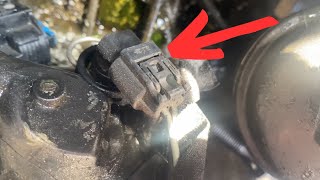
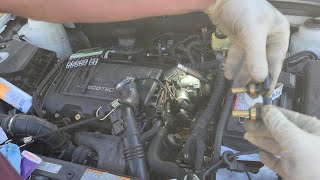
🎬 See this 1.4L engine sensor location and replacement walkthroughCost to Replace a Cadillac ELR ECT Sensor
| Part Type | Price Range |
|---|---|
| New Aftermarket Sensor | $12.32 - $81.53 |
| New OEM (ACDelco) Sensor | $25 - $90 |
| Shop Labor | $100 - $200 |
Frequently Asked Questions
Where is the engine coolant temperature sensor located on the 2014-2016 ELR?
The ECT sensor is typically located on the engine block or cylinder head, usually near the thermostat housing. On GM engines of this era, accessing it can be difficult and may require removing other components for clearance.
Can I drive my ELR with a bad engine coolant temperature sensor?
It is not recommended. While the car may still run, a bad sensor can lead to engine overheating, poor performance, increased emissions, and potential long-term engine damage if the issue is ignored. It's best to get it repaired as soon as possible.
Are there any recalls for the ELR's coolant temperature sensor?
No, there are no specific recalls for the engine coolant temperature sensor on the 2014-2016 Cadillac ELR. There was a recall for the Electronic Stability Control (ESC) system software and another for a seat hook bracket, but neither is related to the ECT sensor.
Is this a difficult part to replace myself?
For a DIY mechanic, this can be a moderately difficult job. The sensor's location can be tight and hard to reach. The process involves partially draining the coolant, disconnecting the electrical connector, removing the old sensor, and installing the new one. If you are not comfortable working on cooling systems or in tight spaces, professional installation is recommended.
🎬 Watch: How to test and replace a faulty ECT sensorHelpful Videos
Technical Specifications
OEM Part Numbers: 12656444 55591401 12656493
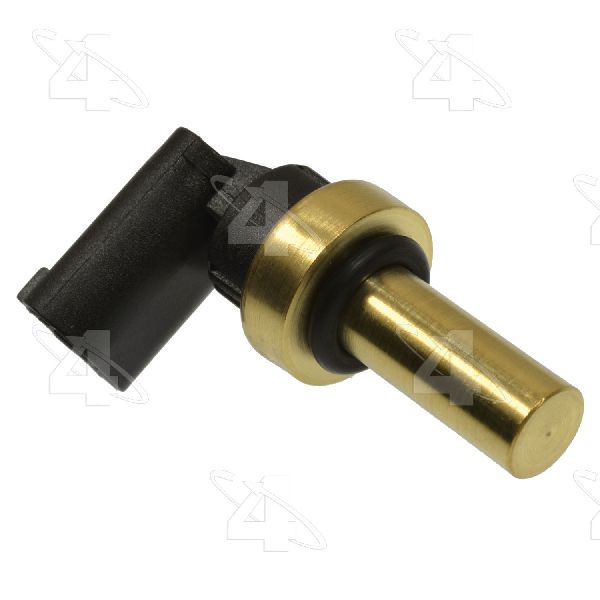
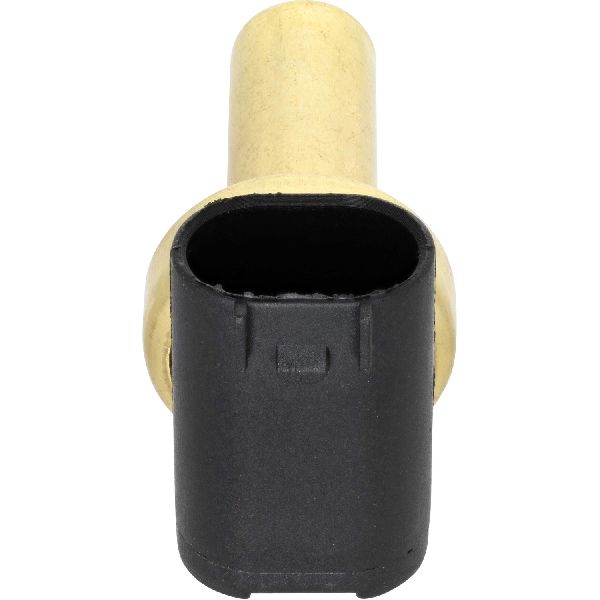
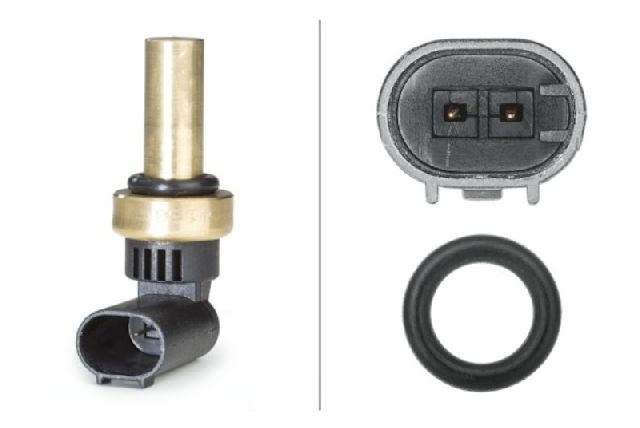
The Engine Coolant Temperature Sensor for the Cadillac ELR is a thermistor, a type of resistor whose resistance changes with temperature. It is typically a two-wire sensor that screws into a coolant passage on the engine and is sealed with an O-ring. The connector is a weather-pack style plug.
We Have This Part in Stock


The information in this article is provided for general reference and educational purposes only. Vehicle specifications, procedures, and part compatibility can vary by production date, trim level, and region. Always consult your vehicle's factory service manual and verify part numbers before purchasing or performing repairs. Safety-critical components such as airbags, seat belts, and braking systems should be installed by a qualified professional.
- Cadillac ELR: