

A Guide to Oxygen Sensors for the 2014-2017 Chevrolet SS
Understanding the oxygen sensors in your 6.2L LS3 V8 and how to choose the right replacement when the check engine light comes on.
- Your SS has four O2 sensors; upstream sensors are most critical for performance and fail more often.
- Stick with high-quality aftermarket brands like Denso, NGK/NTK, or Delphi for reliability similar to OEM.
- Before replacing the Bank 1 (driver's side) upstream sensor, check for power steering fluid leaks from hoses above the wiring harness, as this is a known issue.
- Ignoring a bad O2 sensor can lead to costly damage to your catalytic converters.
Is Your Oxygen Sensor Failing?
A failing oxygen sensor is one of the most common reasons for a check engine light in any vehicle, including the Chevrolet SS. While the light is the most obvious sign, you might notice other performance issues first. Ignoring these symptoms can lead to more expensive repairs down the road, most notably damage to your catalytic converters.
Common Symptoms:
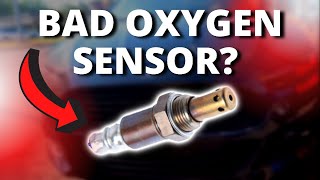
🎬 Watch: A visual guide to common failing sensor symptoms.- Check Engine Light: The most common indicator, often with codes like P0131, P0135, P015B, P0171, or P0174. 🎬 See how to diagnose these lean engine codes.
- Poor Fuel Economy: The engine may run rich, using more fuel than necessary because the air-fuel mixture is incorrect.
- Rough Idle or Misfires: An imbalanced air-fuel ratio can cause the engine to run unevenly, especially at idle.
- Sluggish Performance: You may feel hesitation or a lack of power when you accelerate.
- Bad Smell from Exhaust: A rich-running condition can create a strong, rotten-egg-like smell from the exhaust.
- Failed Emissions Test: A bad sensor directly impacts your vehicle's emissions, often causing it to fail state inspection.
A Note on a Specific Chevy SS Issue
A Technical Service Bulletin (TSB PIP5516) relevant to some GM V8s notes that a power steering fluid leak from a hose above the Bank 1 (passenger side) wiring harness can drip onto the oxygen sensor connector. This fluid contamination can damage the sensor and harness, causing incorrect readings and fault codes. Before replacing the Bank 1 Sensor 1, inspect the power steering hoses above it for any signs of leaks.
Choosing the Right Aftermarket Oxygen Sensor
When it comes to sensors that provide critical data to your engine's computer, quality matters. While you don't have to buy the part from a GM dealer, choosing a reputable aftermarket brand is important for the performance of your SS. Aftermarket sensors are often made by the same companies that supply the original parts to GM.
Brand Quality Tiers
Tier 1: OEM-Equivalent Quality
- ACDelco: This is GM's official parts brand. Buying ACDelco guarantees an OEM part, though it's often a rebranded Denso sensor for this application.
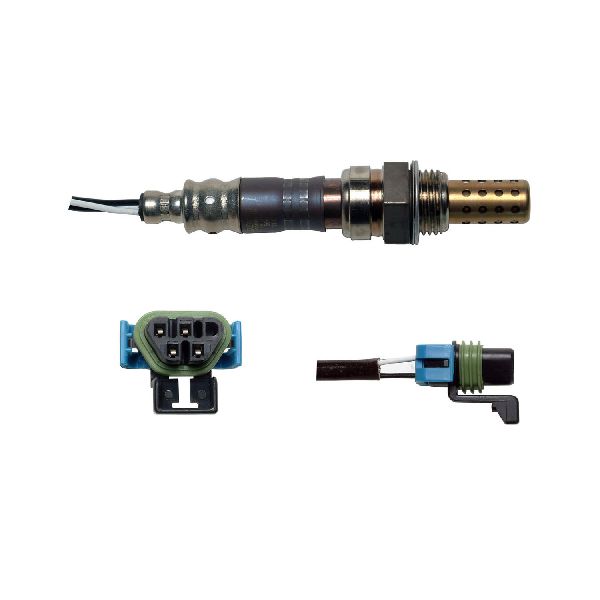
- Denso & NGK (NTK): These brands are major OEM suppliers for many automakers, including GM. They are widely regarded in owner forums as the most reliable and trusted aftermarket choices for LS engines, offering true OEM performance.
- Bosch: The inventor of the modern oxygen sensor, Bosch is a top-tier brand. However, owner feedback for LS engines is mixed; some have perfect results, while others report issues with slow response times.
Tier 2: Quality & Value
- Delphi: Another major OEM supplier, Delphi sensors are known for their patented protective coatings that resist contamination and ensure longevity. They are a solid choice that meets or exceeds OE standards.
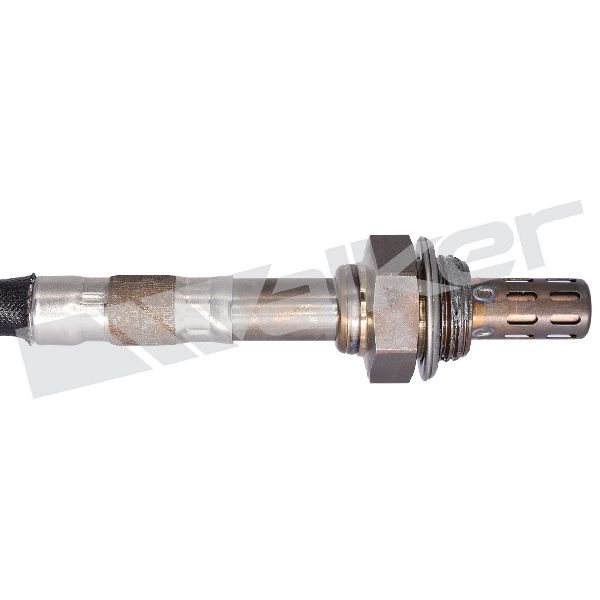
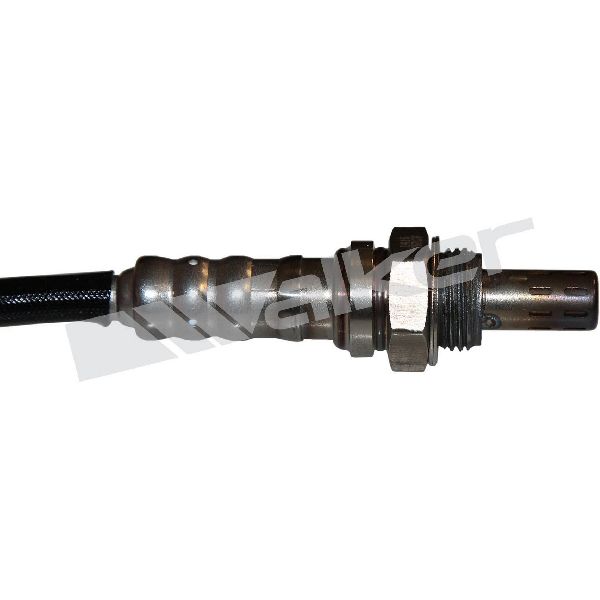
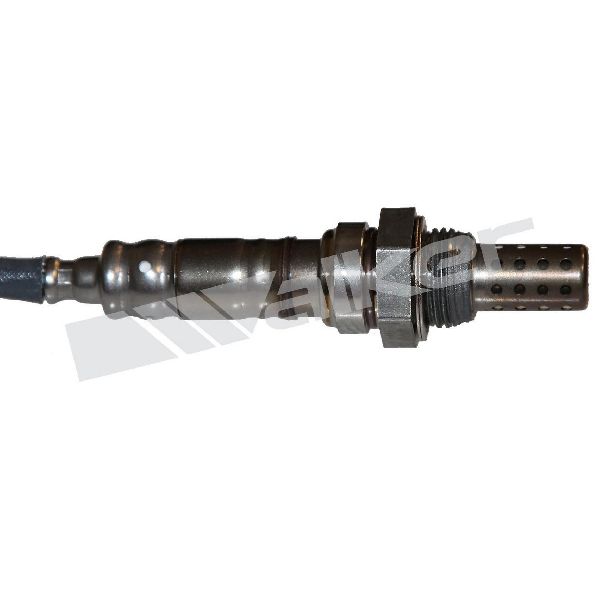
- Walker Products: Walker is a well-established brand in fuel and exhaust components. They offer a good balance of reliable performance and affordability, with positive reviews from users.
Tier 3: Economy Options
- DriveWire & Spectra: These brands provide a budget-friendly solution. While they may function correctly, their long-term durability and the precision of their readings may not match the higher-tier brands.
Upstream vs. Downstream Sensors
The two upstream sensors (Bank 1 Sensor 1 and Bank 2 Sensor 1) are the most critical for engine performance and are the ones that fail most often. The two downstream sensors (Bank 1 Sensor 2 and Bank 2 Sensor 2) primarily monitor the catalytic converters. The part numbers are often different, so ensure you are buying the correct sensor for the specific location.
Estimated Costs
| Part Type | Estimated Cost (per sensor) |
|---|---|
| New OEM (ACDelco) | $85 - $165 |
| New Aftermarket | $35 - $120 |
| Shop Labor | $75 - $150 |
Frequently Asked Questions
How many oxygen sensors does my 2014-2017 SS have?
Your Chevrolet SS has four oxygen sensors. There is one upstream (before the cat) and one downstream (after the cat) sensor on each side of the exhaust (Bank 1 and Bank 2).
Should I replace all four sensors at once?
It's not always necessary. Typically, you only need to replace the sensor that has failed and triggered the code. However, sensors wear out over time, so if your car has high mileage (over 80,000 miles), it can be good preventative maintenance to replace them in pairs (both upstream or both downstream).
Can I replace an oxygen sensor myself?
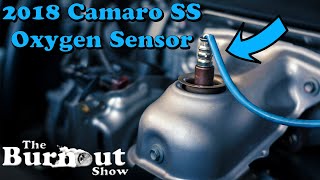
Yes, this is a DIY-friendly job for most home mechanics. The main challenge is often the sensor being seized in the exhaust pipe. Using a penetrating lubricant beforehand can help. You will need a special tool called an oxygen sensor socket, 🎬 Watch this walkthrough of the replacement process. which has a slot for the wire to pass through.
What is the difference between Bank 1 and Bank 2?
Bank 1 is the side of the engine that contains cylinder #1. On the LS3 V8 in your SS, Bank 1 is the driver's side. Bank 2 is the passenger's side.
Helpful Videos
Technical Specifications
OEM Part Numbers: 12617332 92457789
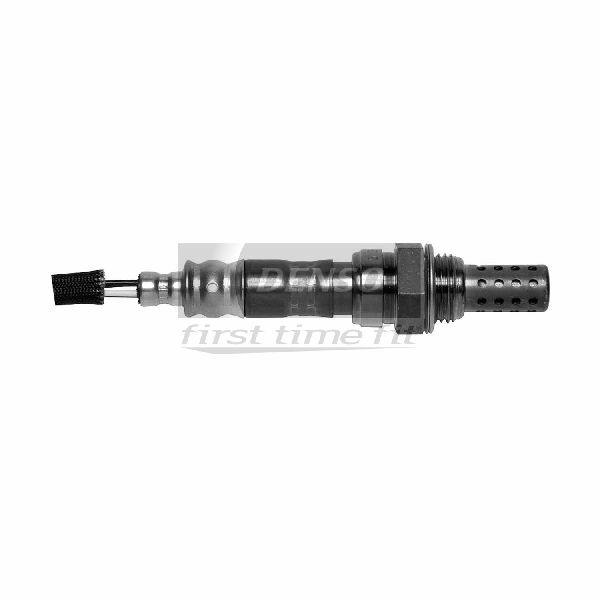
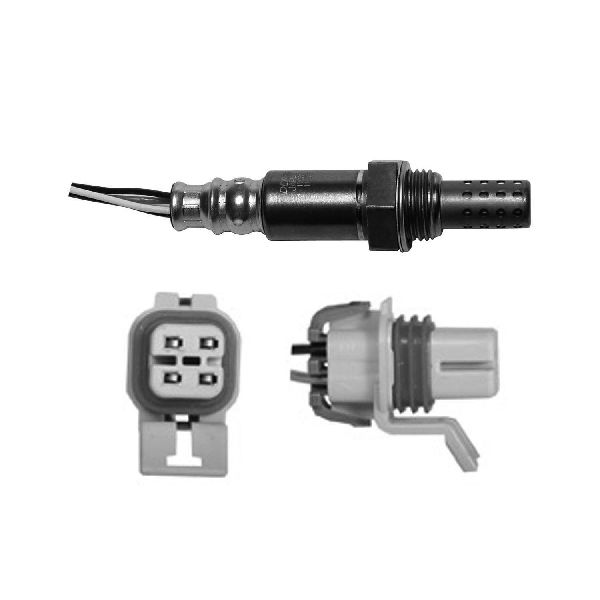
Your vehicle uses four heated, 4-wire oxygen sensors. The upstream and downstream sensors are different parts. Bank 1 is the driver side, Bank 2 is the passenger side.
We Have This Part in Stock

The information in this article is provided for general reference and educational purposes only. Vehicle specifications, procedures, and part compatibility can vary by production date, trim level, and region. Always consult your vehicle's factory service manual and verify part numbers before purchasing or performing repairs. Safety-critical components such as airbags, seat belts, and braking systems should be installed by a qualified professional.
- Chevrolet SS: