

Audi RS7 (2014-2018) A/C Receiver Drier & Desiccant Element Guide
Keep your high-performance Audi's A/C blowing ice-cold by understanding this critical, often-overlooked part.
- The A/C desiccant element is a critical maintenance part, not a repair part.
- It MUST be replaced any time the A/C system is opened to the atmosphere for any repair.
- Replacement requires special equipment to recover and recharge refrigerant; this is not a DIY job.
- Choosing a budget-friendly aftermarket brand like Four Seasons or GPD is acceptable for this part, as proper installation procedure is more critical.
Is Your RS7's A/C Not as Cold as It Used to Be?
If your Audi RS7's air conditioning isn't performing like it should, a failing A/C receiver drier or desiccant element could be part of the problem. While not a component that fails on its own often, its health is vital for the entire A/C system's longevity and performance. This guide covers the symptoms of a bad desiccant element and how to choose the right aftermarket replacement for your 2014-2018 RS7.
Symptoms of a Failing A/C Desiccant Element
A bad receiver drier or saturated desiccant bag can cause several issues. Recognizing them early can save you from more expensive repairs, like a failed A/C compressor.
- Poor Cooling Performance: The most common symptom is that the air from your vents just isn't cold enough. A clogged drier restricts refrigerant flow, much like a blocked straw.
- Foggy Windows You Can't Clear: If the system can't remove moisture from the cabin air effectively, you may struggle with foggy windows, even with the defrost on.
- Musty or Moldy Smell: When the desiccant can no longer absorb moisture, mold and mildew can grow in the A/C system, causing a bad smell from the vents.
- A/C System Shuts Off: In some cases, a severely clogged drier can cause pressure issues that lead the A/C system to shut itself down intermittently.
A Critical Maintenance Item
The receiver drier or desiccant bag is not a "lifetime" part. It is a maintenance component that must be replaced any time the A/C system is opened for a repair. This includes replacing a compressor, condenser, or hose. The desiccant material inside becomes saturated with moisture the moment it's exposed to outside air, making it useless.
Choosing an Aftermarket A/C Desiccant Element
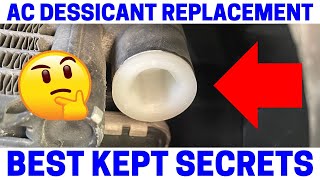
For the 2014-2018 Audi RS7, the A/C desiccant element is typically a serviceable cartridge that fits inside the condenser. 🎬 Watch how a desiccant receiver drier is typically replaced. This is good news, as you don't need to replace the entire expensive condenser assembly. The aftermarket offers several cost-effective options.
Brand Quality: Four Seasons vs. Global Parts (GPD)
When shopping for aftermarket A/C parts, brand reputation matters. Four Seasons and Global Parts (often listed as GPD) are two common brands you will find.
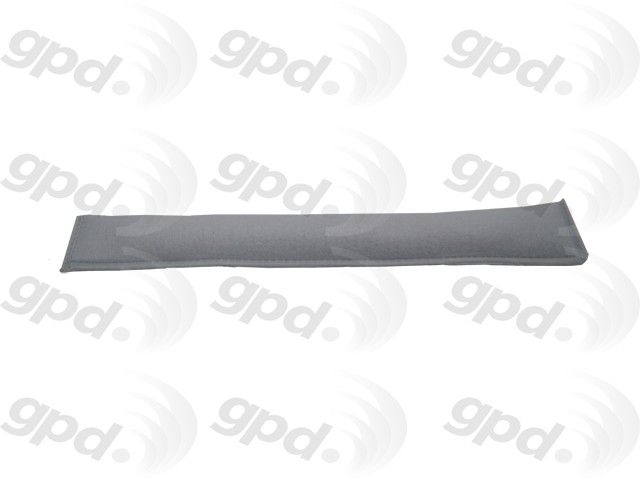
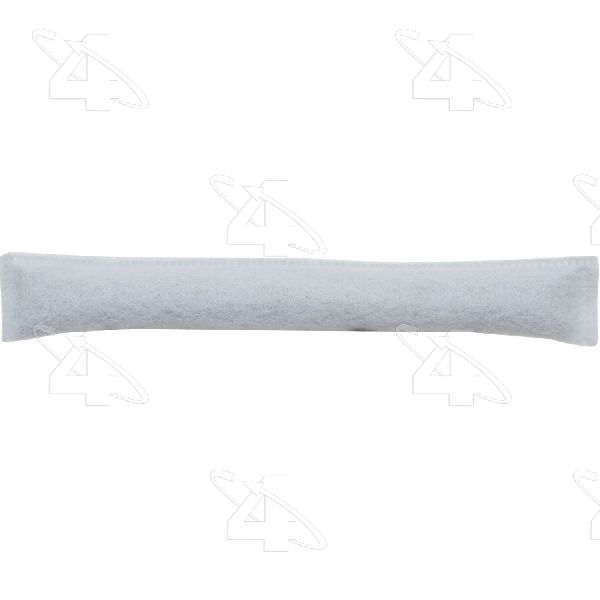
- Four Seasons: This is a well-known aftermarket brand. Owner experiences are mixed, with some users reporting good performance and longevity, while others consider their parts to be lower-tier. For a simple part like a desiccant bag, it is generally considered an acceptable budget-friendly choice.
- Global Parts (GPD): Similar to Four Seasons, GPD is a budget-oriented brand. Some users have reported premature failures on more complex parts like compressors, but for a desiccant element, it is often seen as a viable option.
Pro Tip: Focus on the Whole Job
The quality difference between aftermarket desiccant bags is less critical than the replacement procedure itself. The most important rule is to replace it anytime the system is opened. Ensure your mechanic is using new, clean PAG oil and is pulling a deep vacuum on the system after installation to boil off any residual moisture. This procedure is more important to the system's long-term health than the specific brand of the desiccant bag.
| Part & Service | Estimated Cost |
|---|---|
| New OEM Desiccant Kit | $50 - $90 |
| New Aftermarket Desiccant Kit | $13 - $23 |
| Shop Labor (A/C Service & Recharge) | $150 - $350 |
Frequently Asked Questions (FAQ)
When should I replace the A/C desiccant element?
You should replace it every time the A/C system is opened for service, such as when replacing a compressor or a leaking hose. Many experts also recommend replacing it as a preventive measure every 2-3 years to keep the system clean and efficient.
Can I replace the RS7's A/C desiccant bag myself?
This is not a recommended DIY job. 🎬 See the steps involved in replacing a car's A/C desiccant. Replacing the desiccant requires specialized equipment to safely recover the refrigerant from the system before opening it, and then to properly vacuum and recharge the system afterward. Attempting this without the right tools can damage the A/C system and is harmful to the environment.
Is there a recall on the 2014-2018 RS7 A/C system?
No, there are no specific recalls from the NHTSA for the A/C receiver drier or related A/C components on the 2014-2018 Audi RS7. Recalls for this vehicle range have been related to the passenger airbag sensor, turbocharger oil strainer, and incorrect tire information labels.
What is the difference between a receiver/drier and an accumulator?
They perform similar functions but are used in different types of A/C systems. Your Audi RS7 uses an expansion valve, so it has a receiver/drier (or desiccant element) located on the high-pressure side of the system. Cars with an orifice tube use an accumulator on the low-pressure side.
Helpful Videos
Technical Specifications
OEM Part Numbers: 4H0298403 4H0298403A 8K0298403A
Serviceable desiccant bag/cartridge, typically located within the A/C condenser assembly.
We Have This Part in Stock

The information in this article is provided for general reference and educational purposes only. Vehicle specifications, procedures, and part compatibility can vary by production date, trim level, and region. Always consult your vehicle's factory service manual and verify part numbers before purchasing or performing repairs. Safety-critical components such as airbags, seat belts, and braking systems should be installed by a qualified professional.
- Audi RS7:
- 🎬 Helpful Videos
- 🛍️ Shop This Part
- Is Your RS7's A/C Not as Cold as It Used to Be?
- Symptoms of a Failing A/C Desiccant Element
- A Critical Maintenance Item
- Choosing an Aftermarket A/C Desiccant Element
- Brand Quality: Four Seasons vs. Global Parts (GPD)
- Pro Tip: Focus on the Whole Job
- Frequently Asked Questions (FAQ)
- 🎟️ Get 5% Off