

A Guide to Replacing Disc Brake Pads on the 2014-2018 Audi RS7
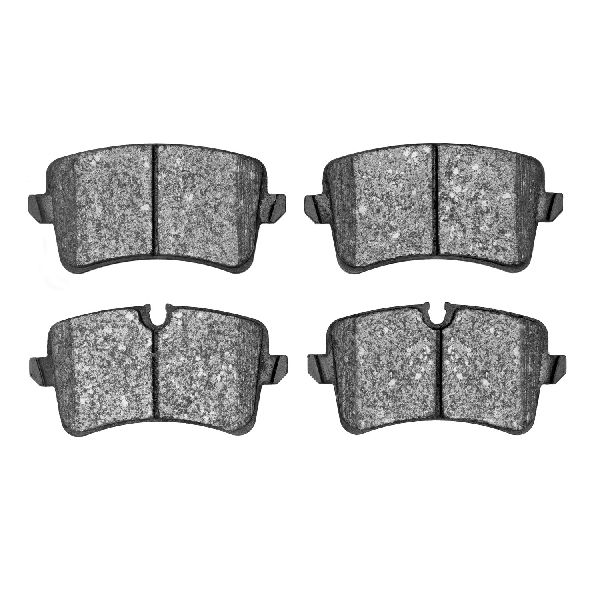
Choosing the right new aftermarket brake pads for your high-performance Audi RS7 is critical for safety, noise, and dust.
- OEM pads are known for creating excessive brake dust; aftermarket ceramic pads like Akebono are a popular solution for this.
- Brake squeal is a common issue; Audi has issued TSBs, and proper bedding-in of new pads is critical to prevent noise.
- Replacing the rear pads requires a special diagnostic tool (like VCDS) to retract the electronic parking brake.
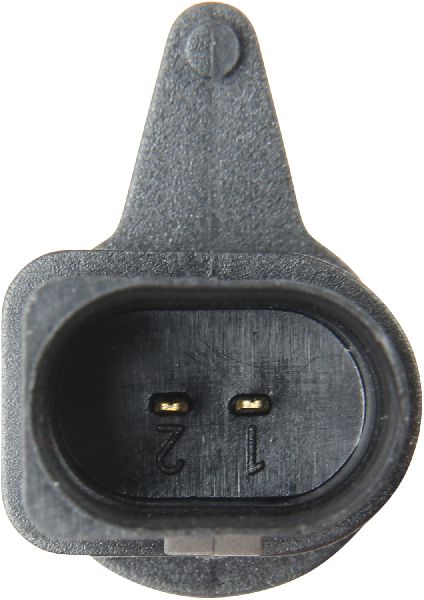
- Always replace the electronic wear sensors when you replace the pads.
Is it Time to Replace Your RS7 Brake Pads?
The most obvious sign you need new brake pads is the brake wear warning light on your dashboard. Your RS7 is equipped with electronic sensors that will alert you when the pad material is getting low. You should not ignore this warning. Other common symptoms include a persistent high-pitched squealing or a harsh grinding sound when you apply the brakes.
Listen to Your Brakes
A continuous grinding noise means the brake pad material is likely completely worn away, and metal is grinding against metal. This is a critical safety issue that can cause severe damage to your brake rotors, leading to a much more expensive repair. Stop driving the vehicle immediately if you hear this.
Known Issues: OEM Dust and Squeal
Many RS7 owners find that the original factory (OEM) brake pads produce an excessive amount of dark brake dust, which quickly makes wheels look dirty. High-performance OEM pads can also be prone to squealing, especially during light braking. In response to noise complaints, Audi has issued Technical Service Bulletins (TSBs), such as TSB 2040280/14, which outlines procedures for addressing front brake squeal, including pad replacement and a specific bedding-in process. These issues are the primary reasons many owners switch to aftermarket pads.
Choosing the Right Aftermarket Brake Pads for Your RS7
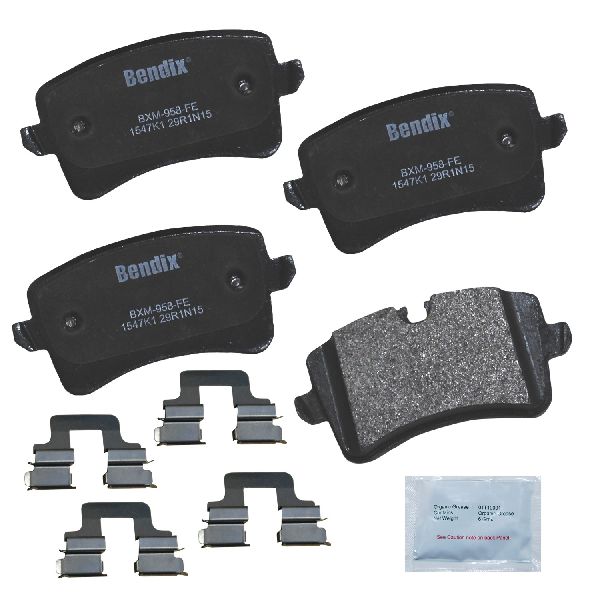
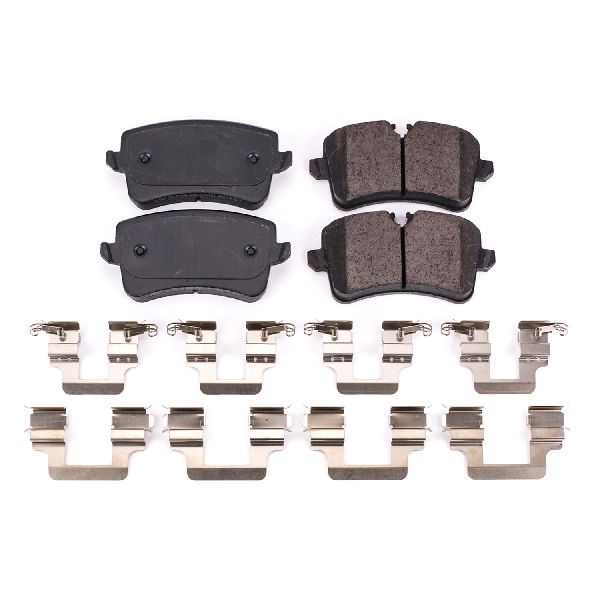
Aftermarket brake pads offer a wide variety of choices that can be better suited to your driving style than the stock pads. They are often more affordable and allow you to prioritize what's most important to you, whether that's low dust, silent operation, or ultimate stopping power. Aftermarket pads can be grouped into tiers:
Tier 1: Comfort & Low Dust (Daily Driving)
If your main goal is to reduce the constant wheel cleaning and noise associated with OEM pads, a high-quality ceramic pad is your best choice. These are perfect for daily driving.
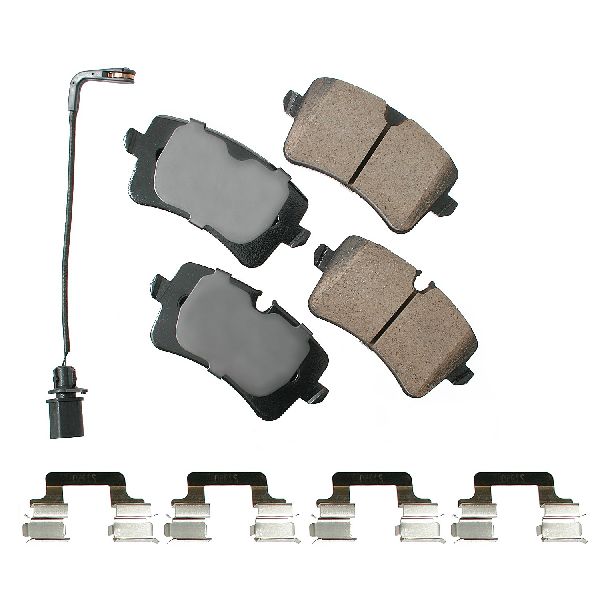
- Akebono EURO Ceramic: Highly recommended by Audi owners, these pads provide excellent stopping power for the street while being virtually silent and producing very little dust. They may have a slightly less aggressive initial "bite" than stock pads, which many drivers prefer for smoother stops.
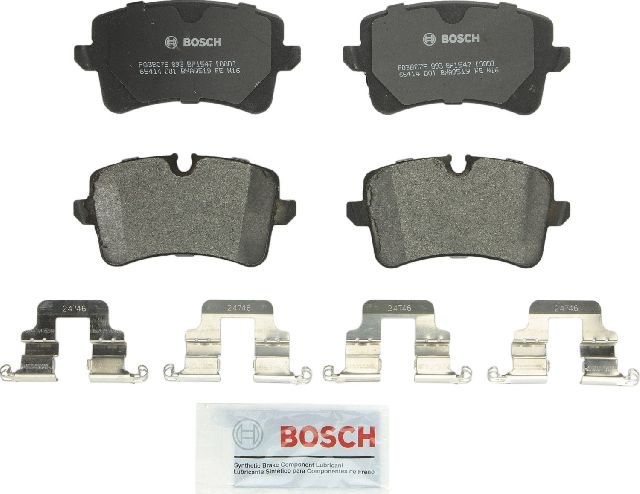
- Bosch QuietCast / Centric Posi-Quiet Ceramic: These are other popular ceramic options that focus on quiet, low-dust performance for everyday use.
Tier 2: Performance Street
For the owner who drives their RS7 enthusiastically and wants an upgrade in performance over stock without a huge increase in noise or dust.
- EBC Redstuff: A well-regarded performance ceramic pad that offers better high-speed stopping and fade resistance than OEM, with less dust.
- Hawk Performance HPS 5.0: These pads provide a noticeable increase in stopping power and pedal feel, designed for high-performance street driving. They are a good balance of performance and daily-driver comfort.
Tier 3: Aggressive Street / Occasional Track Use
These pads are for drivers who prioritize braking performance above all else and are willing to tolerate more dust and potential noise for maximum stopping power and heat resistance.
- EBC Yellowstuff: A great entry-level track pad that is still usable on the street. It offers a strong bite and excellent fade resistance at high temperatures.
- Hawk HP+: Known for their aggressive friction, these are suitable for autocross and light track duty. Expect more noise and dust than street-focused pads.
- Brembo / Pagid: Often the original manufacturer for Audi's factory parts, their aftermarket offerings provide OEM-level performance, sometimes at a lower cost.
Bedding-In Your New Pads is Crucial
Properly bedding-in your new brake pads is essential for performance and longevity. This process involves a series of controlled stops to transfer an even layer of friction material to the rotor. Always follow the manufacturer's specific break-in procedure to avoid noise and ensure optimal stopping power.
Frequently Asked Questions (FAQ)
Do I need special tools to change my RS7 brake pads?
Yes. While the front 6-piston calipers can be serviced with standard tools, the rear brakes have an electronic parking brake (EPB). You MUST use a diagnostic tool (like VCDS/VAG-COM) to put the rear calipers into service mode to retract the piston. Attempting to force the piston back without this tool will destroy the caliper. This makes the job more complex than a typical brake replacement.
Do I have to replace my brake rotors with the pads?
It is highly recommended, especially on a high-performance vehicle like the RS7. New pads on worn or uneven rotors can lead to poor performance, noise, and vibration. Most shops will insist on replacing pads and rotors together. Given the cost of labor, it is more economical to do both at once.
What are brake wear sensors and do I need to replace them?
Your RS7 uses electronic wear sensors, typically on the driver-side front and a rear wheel, to detect when the pads are low. When the pad wears down, the sensor makes contact with the rotor, completes a circuit, and triggers the warning light. The sensor is a one-time-use part and must be replaced along with your brake pads. Most quality aftermarket pad sets include new sensors or are sold with them as a kit.
Why are my new brakes squealing?
New brake squeal can be caused by several factors. It could be high-frequency vibrations, which can be dampened by using the included shims and applying brake grease to the correct contact points (NOT the pad surface). More often, it's because the pads were not bedded-in correctly, leading to glazed pads or uneven material transfer on the rotor. High-performance metallic pads may also have a tendency to squeal at low speeds by nature.
Technical Specifications
OEM Part Numbers: 4G0698151AC 4G0615121 4G0698451L
Front Caliper: 6-piston fixed caliper. Rear Caliper: Single piston with integrated Electronic Parking Brake (EPB). Wear Sensors: Electronic, typically on front-left and one rear wheel.
We Have This Part in Stock

The information in this article is provided for general reference and educational purposes only. Vehicle specifications, procedures, and part compatibility can vary by production date, trim level, and region. Always consult your vehicle's factory service manual and verify part numbers before purchasing or performing repairs. Safety-critical components such as airbags, seat belts, and braking systems should be installed by a qualified professional.
- Audi RS7:
- 🛍️ Shop This Part
- Is it Time to Replace Your RS7 Brake Pads?
- Listen to Your Brakes
- Known Issues: OEM Dust and Squeal
- Choosing the Right Aftermarket Brake Pads for Your RS7
- Tier 1: Comfort & Low Dust (Daily Driving)
- Tier 2: Performance Street
- Tier 3: Aggressive Street / Occasional Track Use
- Bedding-In Your New Pads is Crucial
- Frequently Asked Questions (FAQ)
- 🎟️ Get 5% Off