

A Guide to Replacing Steering Tie Rod Ends on the 2014-2018 Audi RS7
Restore your RS7's sharp steering feel and eliminate front-end clunking noises with the right replacement parts.
- A wheel alignment is mandatory after replacing tie rod ends to prevent unsafe handling and rapid tire wear.
- For a high-performance vehicle like the RS7, it is strongly recommended to use premium aftermarket brands (like Delphi, Moog) or OEM parts.
- Always replace tie rod ends in pairs (left and right) to ensure balanced steering and predictable handling.
- Symptoms like clunking noises, a loose steering feel, and uneven tire wear are strong indicators of a worn tie rod end.
Symptoms of a Failing Tie Rod End
As a wear-and-tear component on a high-performance car, the tie rod ends on your RS7 will eventually need replacement. The complex multi-link front suspension on the C7 platform is known for developing noises, and the tie rod ends are a common culprit. Look for these warning signs:
- Clunking or Knocking Noises: A distinct clunk or rattle from the front end, especially noticeable at lower speeds when turning or going over bumps.
- Loose or Vague Steering: A feeling of excessive play or looseness in the steering wheel. The car's immediate, sharp response may feel dull or delayed.
- Steering Wheel Vibration: A shimmy or vibration that you can feel in the steering wheel, which may get worse as you accelerate.
- Uneven Tire Wear: A worn tie rod end allows for play in the wheel, which disrupts the wheel alignment and can cause the inside or outside edge of your tires to wear down prematurely.
Is It Safe to Drive?
Driving with a worn tie rod end is not recommended. While the car may be drivable for short distances, steering control is compromised, increasing the risk of an accident. A complete failure of the tie rod end can lead to a total loss of steering control on one wheel. It is best to have the vehicle inspected and repaired as soon as symptoms appear.
Choosing the Right Aftermarket Tie Rod End
For a performance vehicle like the RS7, the quality of suspension components is not something to overlook. While OEM parts are always an option, several aftermarket brands offer quality replacements. They can generally be grouped into tiers.
Premium Aftermarket Brands
These brands are often original equipment (OE) suppliers to manufacturers like Audi or design their parts to meet or exceed OE specifications. For an RS7, this is the recommended tier for aftermarket parts.
- Delphi: Widely regarded as an OE-quality manufacturer. Delphi parts are known for their reliability and are a dependable choice for a direct replacement.
- Moog: Historically a top-tier aftermarket brand known for innovative, problem-solving designs that are often stronger than the original part, such as greaseable joints. However, some recent forum discussions mention variable quality, so it's wise to ensure you are purchasing from their premium line.
Value-Oriented Aftermarket Brands
These brands focus on providing a balance of affordability and quality. While they can be a good option for standard vehicles, they may not offer the same longevity or performance under the high loads experienced by an RS7.
- Mevotech: Offers a range of parts, including premium lines that can be a good value. However, their standard-grade parts are often seen as a budget option, with some user reviews reporting shorter lifespans.
- Vaico: A brand that produces a wide variety of parts, generally considered to be a mid-tier, serviceable option.
- Dorman: Known for providing a vast catalog of replacement parts at an affordable price. Quality can be variable, and they are generally considered a standard replacement rather than a performance upgrade.
- Suspensia: A budget-friendly option, but with less brand reputation information available from enthusiast forums.
Mechanic's Advice: For the Audi RS7, stick with premium aftermarket brands like Delphi or Moog's higher-end lines. The slight cost savings from a value brand is not worth the potential compromise in steering precision and durability on a 560+ horsepower sedan. Also, always replace tie rod ends in pairs to ensure even handling and wear.
Estimated Replacement Costs
| Part Type | Estimated Cost (Per Side) |
|---|---|
| New Aftermarket Tie Rod End | $38.17 - $69.89 |
| New OEM Tie Rod End | $100 - $160 |
| Shop Labor | $100 - $200 |
| Mandatory Wheel Alignment | $150 - $250 |
Frequently Asked Questions (FAQ)
Do I need a wheel alignment after replacing tie rod ends?
Yes, absolutely. Replacing a tie rod end will always change the vehicle's toe alignment setting. Driving without a proper alignment will cause poor handling and rapid, uneven tire wear. This step is mandatory.
Should I replace the inner and outer tie rods at the same time?
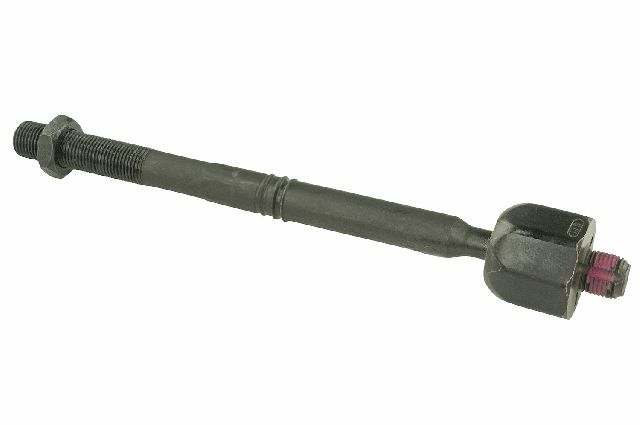
Not necessarily. The outer tie rod end is the most common failure point. An inspection will determine if the inner tie rod is also worn. If you are paying for labor, however, and the inner tie rod shows any signs of wear, replacing both at the same time can save money in the long run.
Were there any recalls for the RS7 tie rod ends?
No. Searches of the National Highway Traffic Safety Administration (NHTSA) database show no specific recalls for steering tie rod ends on the 2014-2018 Audi RS7. There were recalls for steering components on other Audi models, but they related to the power steering rack or steering shaft bolts, not the tie rods.
How difficult is this job for a DIY mechanic?
For an experienced DIYer, this is a manageable job. It requires safely lifting the vehicle, and you will need a special tool called a tie rod separator or pickle fork to separate the joint from the steering knuckle. It is crucial to count the number of rotations when removing the old tie rod to get the new one installed closely enough to drive safely to an alignment shop. Given the mandatory alignment, many owners choose to have a professional perform the entire service.
Technical Specifications
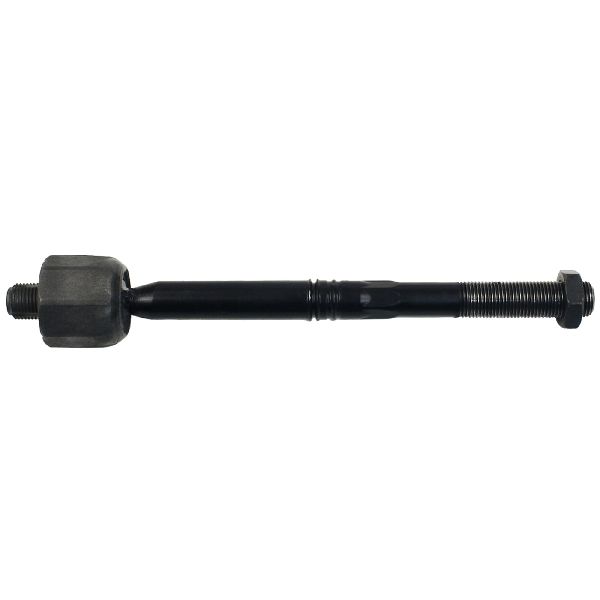
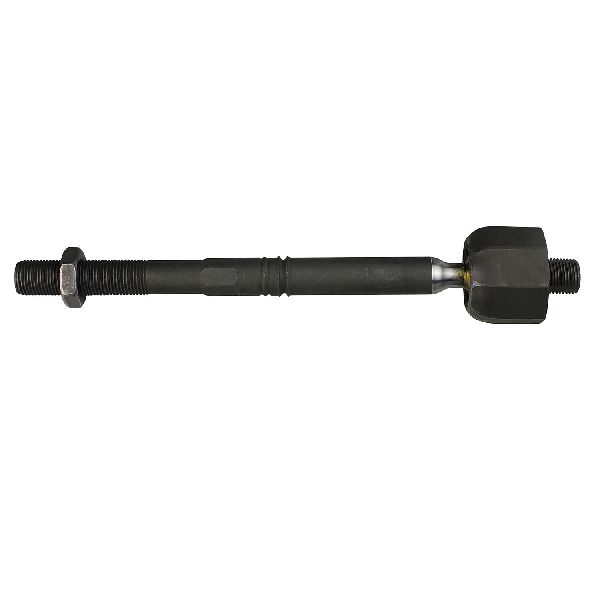
OEM Part Numbers: 4G0423811A 4G0423812A
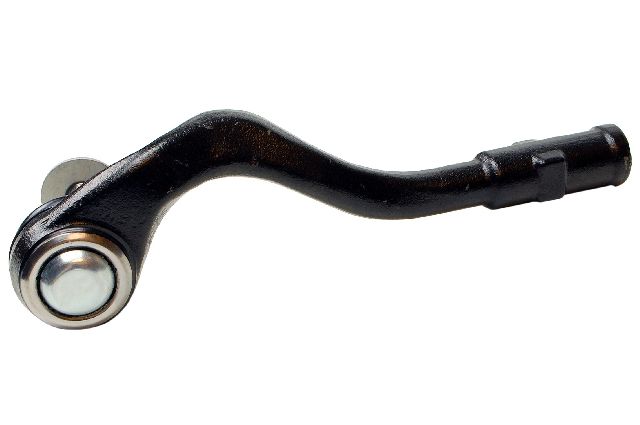
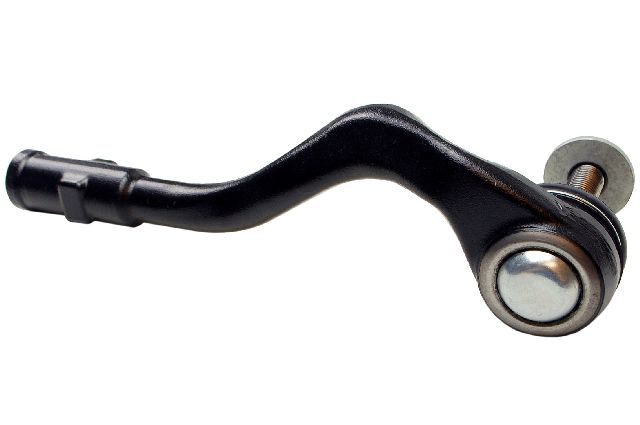
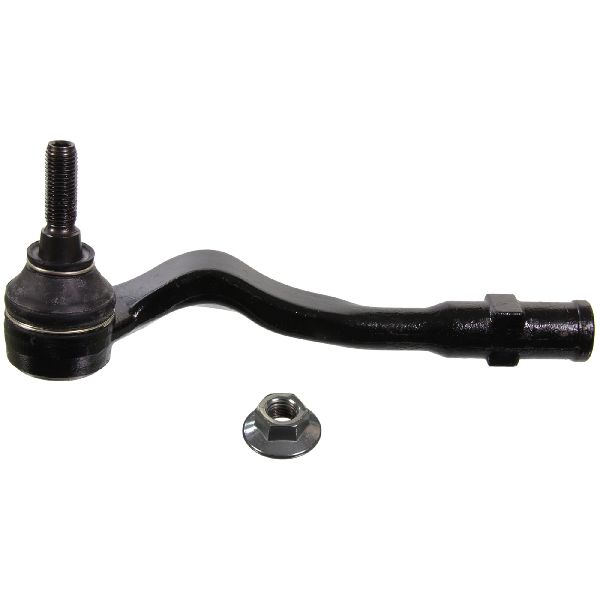
This guide covers the front outer steering tie rod ends. The Audi C7 platform uses a multi-link front suspension. Parts should be replaced in pairs. A professional wheel alignment is required after installation.
We Have This Part in Stock

The information in this article is provided for general reference and educational purposes only. Vehicle specifications, procedures, and part compatibility can vary by production date, trim level, and region. Always consult your vehicle's factory service manual and verify part numbers before purchasing or performing repairs. Safety-critical components such as airbags, seat belts, and braking systems should be installed by a qualified professional.
- Audi RS7: