

Toyota Corolla Engine Camshaft Position Sensor Guide for 2014-2018 Models
Learn about the critical role this sensor plays in your Corolla's engine and how to choose the right replacement.
- Your 2014-2018 Corolla has two camshaft sensors (intake and exhaust); it is highly recommended to replace them as a pair.
- This is a very easy DIY repair that most owners can perform in under 30 minutes with only a 10mm socket.
- Denso is the Original Equipment Manufacturer (OEM). Choosing Denso, Hitachi, or another reputable aftermarket brand is crucial for sensor reliability.
- There are no recalls or major TSBs for this part; failures are typically due to normal wear and tear over time.
Understanding Your Corolla's Camshaft Sensors

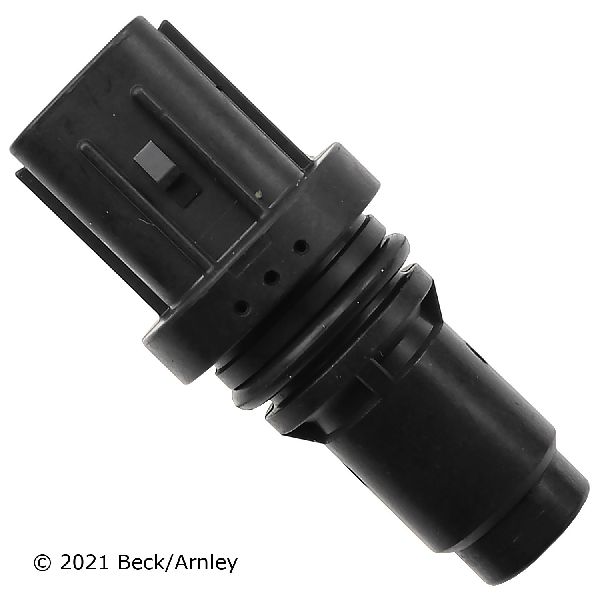
Your 2014-2018 Toyota Corolla is equipped with two camshaft position sensors, a key feature of its efficient 1.8L engine. There is one sensor for the intake camshaft (often called Sensor 'A') and one for the exhaust camshaft (Sensor 'B'). They are not interchangeable, so it's important to diagnose the correct one if you have a fault code. However, since they are the same age and have worked under the same conditions, it is often a good idea to replace them in pairs.
Symptoms of a Bad Camshaft Sensor

When a camshaft position sensor starts to fail, it sends incorrect information—or no information at all—to the engine computer. This can cause a variety of noticeable problems:
- Check Engine Light: This is the most common symptom. The computer will detect a problem with the sensor's signal and trigger a warning light.
- Engine Stalling: The engine may suddenly shut off while driving, especially at low speeds. This can be a serious safety issue.
- Trouble Starting: A bad sensor can make it difficult to start the engine, or it may not start at all.
- Rough Idle and Misfires: The engine may shake, vibrate, or sound uneven when you're stopped.
- Poor Acceleration: Your Corolla might feel sluggish or weak when you press the gas pedal.
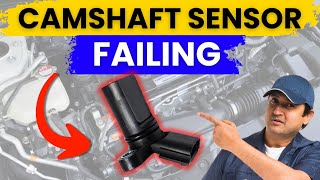
- Reduced Fuel Economy: When the engine timing is off, it burns more fuel than necessary. 🎬 Watch: A detailed breakdown of bad camshaft sensor symptoms
Choosing the Right Aftermarket Sensor

When it comes to electronic sensors, quality matters. While you don't have to buy the part from a Toyota dealership, choosing a reputable aftermarket brand is important for long-term reliability.
- OEM and Premium Brands (Denso, Hitachi, Delphi): Denso is the original equipment manufacturer for many Toyota parts, making it a top choice for a direct replacement in quality and fit. Hitachi is another highly respected Japanese manufacturer known for excellent electronics. Delphi also produces high-quality sensors that meet or exceed original specifications. These brands are your best bet for a fit-and-forget repair.
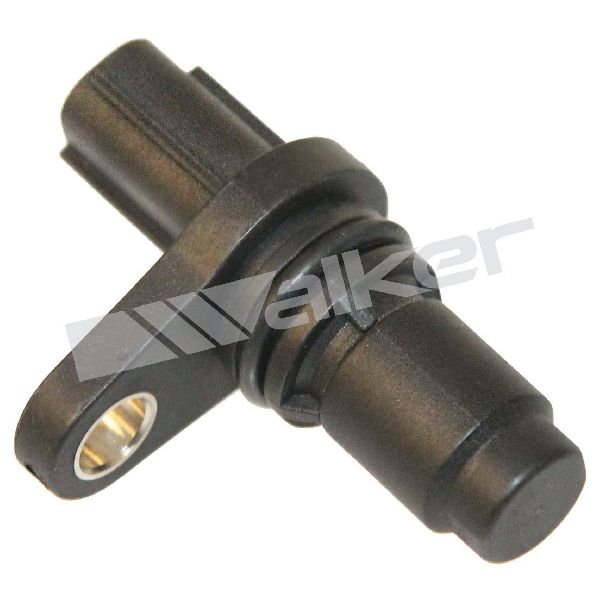
- Reliable Aftermarket Brands (Standard Ignition, NGK, Walker): Brands like Standard Ignition (SMP) and NGK specialize in ignition and engine management parts and have a solid reputation. They offer a good balance of quality and price.
- Economy Brands (Dorman, True Tech, Spectra): These brands offer a more budget-friendly option. While they can be a good choice if cost is your main concern, their lifespan and performance may not match that of the premium brands.
Cost to Replace a Camshaft Position Sensor (2014-2018 Toyota Corolla)

| Item | Estimated Cost |
|---|---|
| New OEM Sensor (per sensor) | $120 - $200 |
| New Aftermarket Sensor (per sensor) | $35 - $175 |
| Shop Labor | $50 - $150 |
| Total DIY Cost (2 Aftermarket Sensors) | $70 - $350 |
| Total Shop Cost (2 Aftermarket Sensors + Labor) | $120 - $500 |
Frequently Asked Questions
How many camshaft sensors does my 2014-2018 Corolla have?
Your Corolla has two sensors. One for the intake camshaft and one for the exhaust camshaft, located on the top of the engine.
🎬 See exactly where both sensors are located on your engineCan I replace just one sensor?
Yes, you can replace only the failed sensor. However, mechanics often recommend replacing both at the same time. Since they are identical in age and have endured the same conditions, the second sensor may not be far from failing. Replacing both as a pair can save you from a future breakdown and another repair job.
Is this a difficult repair for a DIYer?
No, this is one of the easiest repairs you can do. The sensors are easily accessible on top of the engine after removing the plastic cover. Each sensor is held by a single 10mm bolt. The job requires only basic hand tools and can be completed in under 30 minutes.
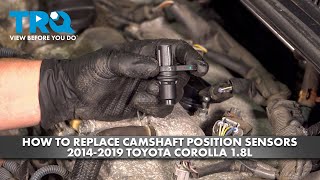
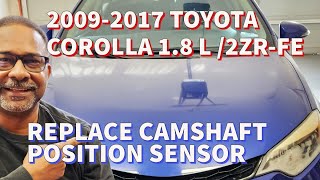
🎬 Watch this step-by-step walkthrough to replace your sensorsWhat are the OBD-II codes for a bad camshaft sensor?
The most common codes are P0340 for the Camshaft Position Sensor 'A' (Intake) Circuit Malfunction and P0365 for the Camshaft Position Sensor 'B' (Exhaust) Circuit Malfunction.
Are there any recalls for this part on my Corolla?
No, there are no specific recalls or widespread Technical Service Bulletins (TSBs) from Toyota for camshaft position sensor failure on the 2014-2018 Corolla. Failures are typically considered a result of normal vehicle age and mileage.
Helpful Videos
Technical Specifications
OEM Part Numbers: 90919-05060 90919-A5003
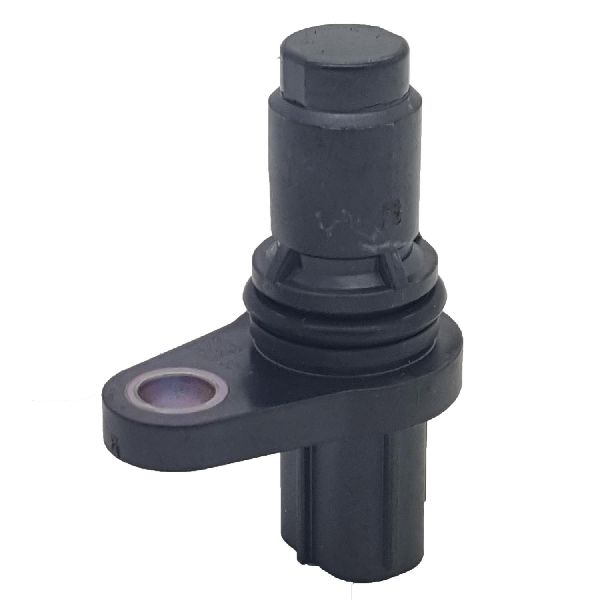
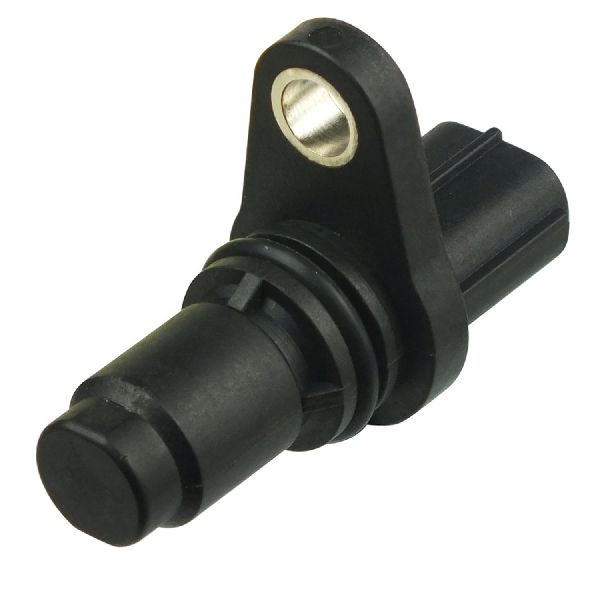
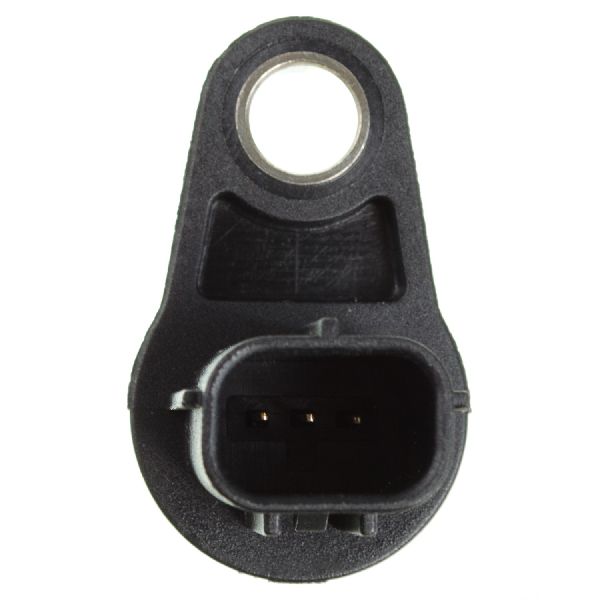
Type: Hall Effect Sensor. Connector: 3-Pin. Your vehicle uses two sensors, one for the intake camshaft and one for the exhaust camshaft.
We Have This Part in Stock


The information in this article is provided for general reference and educational purposes only. Vehicle specifications, procedures, and part compatibility can vary by production date, trim level, and region. Always consult your vehicle's factory service manual and verify part numbers before purchasing or performing repairs. Safety-critical components such as airbags, seat belts, and braking systems should be installed by a qualified professional.
- Toyota Corolla: