

A/C Receiver Drier Guide for the 2014-2019 Cadillac CTS
If your Cadillac's A/C isn't blowing cold, a small part called the receiver drier could be the key to fixing it.
- The receiver drier MUST be replaced any time the A/C system is opened for service to protect new components and validate warranties.
- Before buying, verify if your CTS has a separate drier or if it's integrated with the A/C condenser, as this changes the part you need.
- Symptoms of failure include weak cooling, musty smells from the vents, and rattling noises.
- Replacement requires special equipment to handle refrigerant and is a job for a professional mechanic.
Is Your CTS A/C Losing its Cool?
When the A/C in your 2014-2019 Cadillac CTS stops blowing cold, it's easy to assume the worst. However, the problem might be a failing A/C receiver drier. This component is essential for the health and performance of your entire A/C system. Replacing it is not just a good idea—it's a requirement whenever the A/C system is opened for any major repair, like a compressor or condenser replacement. In fact, most warranties for new compressors are voided if the receiver drier isn't replaced at the same time.
Important: Check Your Condenser Assembly
On many 2014-2015 Cadillac CTS models, the receiver drier is not a separate, standalone part. It is integrated into the A/C condenser as a single assembly. Before ordering, visually inspect your vehicle's A/C condenser. If the drier is built-in, you will need to purchase a complete condenser and receiver drier assembly.
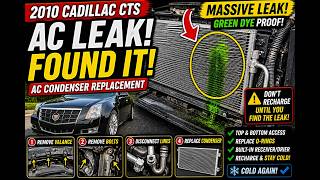
🎬 See a professional walkthrough of a Cadillac condenser and drier replacementSymptoms of a Bad A/C Receiver Drier
A failing receiver drier can cause several noticeable issues. Because its job is to filter refrigerant and remove moisture, a failure can impact the entire system.
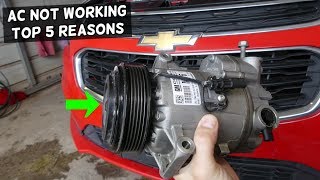
🎬 Watch: Top 5 reasons your Cadillac A/C isn't blowing cold- Poor Cooling Performance: The most common symptom is a noticeable decrease in cooling. A clogged drier can restrict the flow of refrigerant, preventing your A/C from cooling the cabin effectively.
- Musty or Moldy Smell: When the desiccant inside the drier becomes saturated, it can no longer absorb moisture. This can lead to mold and mildew growth inside your A/C system, causing a bad smell from the vents.
- Rattling Noises: If the drier is damaged internally or its mounting has come loose, you might hear a rattling sound from the engine bay when the A/C is on.
- Intermittent Cooling: Air that blows cold, then warm, then cold again can sometimes be traced back to moisture in the system freezing and thawing, a problem a failing drier can't prevent.
Choosing the Right Aftermarket Drier: Brand Tiers
For a part that must be replaced during any A/C service, a quality aftermarket receiver drier is a smart and budget-friendly choice. OEM parts offer a guaranteed fit but come at a higher price. Reputable aftermarket brands provide reliable performance for a fraction of the cost.
Pro Tip: The receiver drier is a disposable filter. Think of it like an oil filter—you change it with every service to protect the expensive components. Don't try to save a few dollars by reusing an old one.
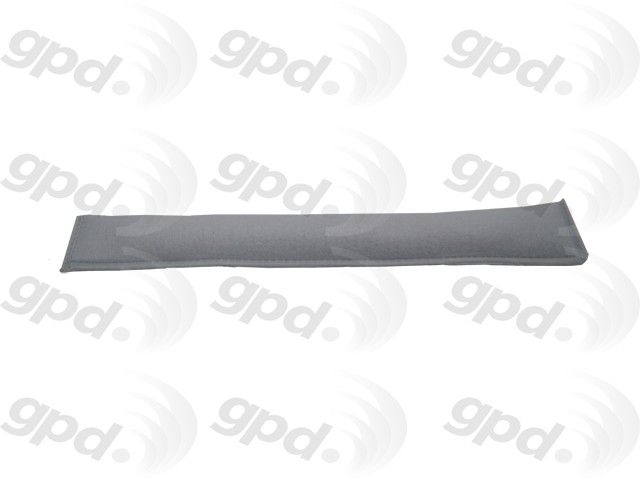
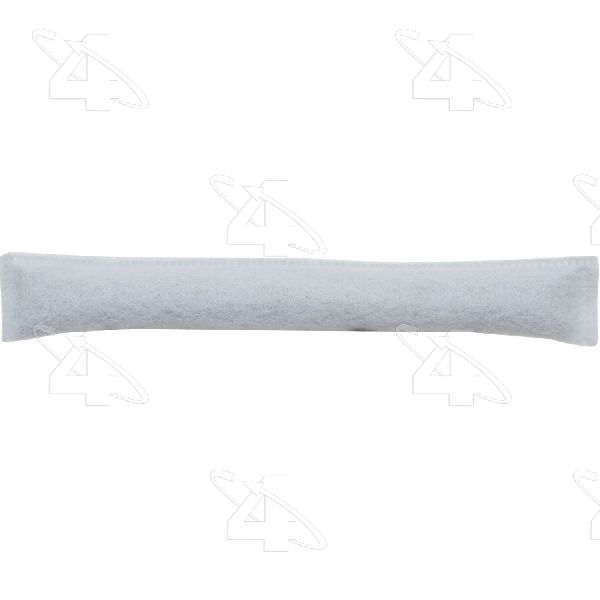
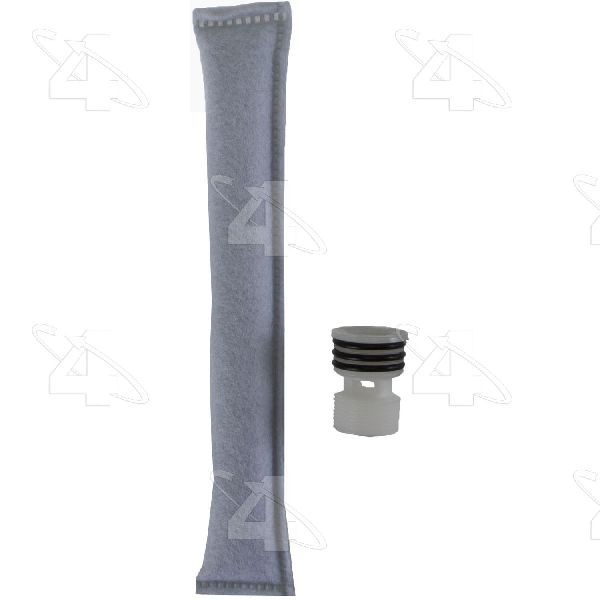
- Tier 1 (Quality Aftermarket): Brands like Four Seasons and Global Parts Distributors (GPD) are well-known in the industry. They manufacture parts that meet or exceed original equipment specifications for fit and function. Four Seasons is a major supplier with decades of experience, and their parts are produced in certified facilities. GPD also offers direct-fit components and convenient kits that include necessary O-rings and seals.
- Tier 2 (OEM): The original AC Delco part offers a perfect fit guarantee but at a premium price. For the CTS, this part is often integrated with the condenser, making it a very expensive replacement if only the drier has failed. Given that the drier is a routine replacement item, the high cost of an OEM part is often unnecessary unless the entire condenser assembly needs replacement.
| Part Type | Estimated Cost |
|---|---|
| New Aftermarket (Drier/Desiccant Element Only) | $13 - $23 |
| New Aftermarket (Condenser/Drier Assembly) | $150 - $250+ |
| New OEM (AC Delco) | $40 - $300+ (Varies if part of condenser) |
| Shop Labor (Evacuate & Recharge) | $150 - $300 |
Frequently Asked Questions
Can I replace the A/C receiver drier myself?
This is not recommended for the average DIY mechanic. Replacing any A/C component requires specialized equipment to safely recover the old refrigerant and then recharge the system with the precise amount of new refrigerant and oil. Working with refrigerants can be dangerous, and improper handling is harmful to the environment. This job is best left to a qualified professional.
Why do I have to replace the drier when I replace my compressor?
When an A/C compressor fails, it often sends tiny metal particles throughout the system. The receiver drier traps this debris. If you install a new compressor without changing the drier, that debris can get dislodged and immediately destroy the new compressor. Furthermore, opening the system exposes the old drier's desiccant to atmospheric moisture, saturating it instantly and making it useless.
Are there any recalls for the A/C system on the 2014-2019 CTS?
No. While there are several recalls for this generation of the Cadillac CTS, none of them pertain to the A/C compressor or the receiver drier.
What is a desiccant element?
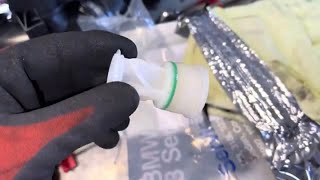
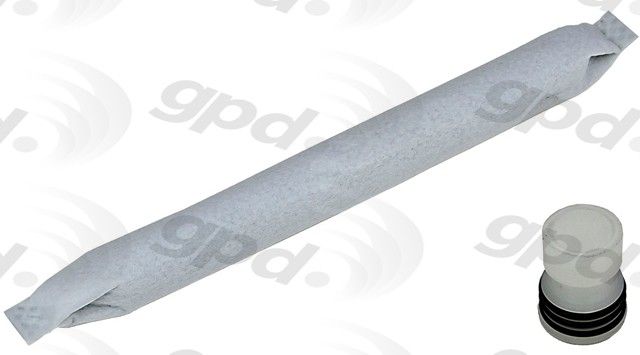
"Desiccant element" or "desiccant bag" is another name for the part of the receiver drier that absorbs moisture. Some modern A/C systems allow you to replace just the bag instead of the entire metal canister, but the principle and function are the same.
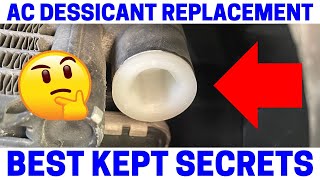
🎬 Watch: How to replace a refrigerant drier desiccant bagHelpful Videos
Technical Specifications
OEM Part Numbers: 22966150 GM3030300
This part is located on the high-pressure side of the A/C system. It is a canister containing desiccant material designed to filter refrigerant and absorb moisture. On some 2014-2015 models, this component is integrated into the A/C condenser assembly.
We Have This Part in Stock

The information in this article is provided for general reference and educational purposes only. Vehicle specifications, procedures, and part compatibility can vary by production date, trim level, and region. Always consult your vehicle's factory service manual and verify part numbers before purchasing or performing repairs. Safety-critical components such as airbags, seat belts, and braking systems should be installed by a qualified professional.
- Cadillac CTS: