

Ford Explorer Brake Master Cylinder Guide (2014-2019)
A soft brake pedal is a serious warning sign; here's what Explorer owners need to know about fixing it.
- A soft, spongy, or sinking brake pedal is a critical symptom of master cylinder failure and should be addressed immediately.
- Check for a known recall (NHTSA #16S24/16V345) related to master cylinders leaking into the brake booster, which affects some Ford models.
- Always choose a new aftermarket part over a remanufactured one for better reliability and safety.
- Properly bench bleeding the new master cylinder before installation is a non-negotiable step for a successful repair.
Is Your Explorer's Brake Pedal Spongy or Sinking?
One of the most common and serious signs of a failing brake master cylinder in a 2014-2019 Ford Explorer is a change in how the brake pedal feels. If the pedal feels soft, spongy, or sinks slowly to the floor when you hold it down, it's a major red flag. This happens because internal seals inside the cylinder wear out, allowing brake fluid to leak internally and preventing the system from holding pressure. You should not drive your vehicle if you are experiencing these symptoms, as it indicates a critical failure in the braking system.
Known Issue: Brake Fluid Leaks & Recalls
Ford has issued recalls for certain vehicles, including some Explorer models, due to problems with the brake master cylinder. A significant issue is brake fluid leaking from the master cylinder into the brake booster. This leak reduces the amount of fluid available for braking, which can lead to a loss of front brake function, longer stopping distances, and an increased risk of a crash. Drivers may notice a warning chime, a red brake warning light on the dash, and a change in brake pedal feel. While specific recalls may not cover all 2014-2019 Explorers, the issue of leaking master cylinders is a known problem for Ford SUVs from this era.
Choosing the Right Aftermarket Master Cylinder
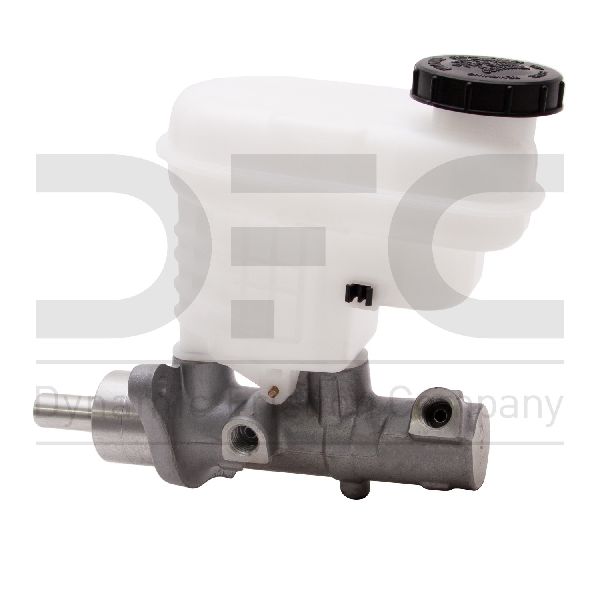
When replacing the master cylinder, you don't have to buy the expensive OEM part from a dealer. Quality aftermarket parts can offer reliable performance at a better price. For this generation of Explorer, two common aftermarket brands are Dorman and Dynamic Friction.
- Dorman: Dorman is a well-known aftermarket brand that often re-engineers parts to fix common factory flaws. Their brake master cylinders are generally considered a reliable, cost-effective alternative to OEM. While quality can sometimes be inconsistent across their vast catalog, their brake and hydraulic components have a decent reputation.
- Dynamic Friction: Dynamic Friction is another brand that produces new, not remanufactured, master cylinders. They are a viable option and are often priced competitively. While there are fewer direct reviews for this specific brand compared to Dorman, they are part of a market of aftermarket suppliers providing new components that meet original specifications.
Pro Tip: Always buy a NEW master cylinder, not a remanufactured one. New units are built with all-new components, including castings and high-quality EPDM rubber seals designed for modern brake fluids, ensuring better durability and safety.
Ford Explorer Master Cylinder Replacement Cost
The cost to replace a brake master cylinder can vary significantly based on whether you do it yourself or have a shop perform the work. Labor is a major part of the total cost.
| Part/Service | Estimated Cost |
|---|---|
| New OEM Part | $309 - $359 |
| New Aftermarket Part | $121 - $164 |
| Shop Labor | $228 - $335 |
| Total Professional Replacement | $537 - $694+ |
Frequently Asked Questions
Do I need to replace the brake booster too?
You should inspect the brake booster for any signs of brake fluid. If the master cylinder has been leaking externally at the rear seal, fluid can enter the booster, damaging its internal diaphragm. In cases related to Ford's recalls, the dealer is instructed to replace the booster if the master cylinder is found to be leaking. If you see fluid leaking down the front of the booster, it's a good idea to replace it along with the master cylinder.
What is "bench bleeding" and is it necessary?
Bench bleeding is the process of removing air from the new master cylinder before you install it in the vehicle. This is a critical step. Skipping it will make it extremely difficult, if not impossible, to bleed all the air out 🎬 See how to properly bleed brakes on Ford Utility models. of the brake system later. Most new master cylinders come with a bleeding kit containing plastic fittings and hoses to perform this procedure.
What kind of brake fluid does my 2014-2019 Explorer need?
Your Explorer requires DOT 4 brake fluid. This is usually printed on the cap of the brake fluid reservoir. Using the correct fluid is essential for the safety and longevity of the brake system components.
Can I do this replacement myself?
This is a moderately difficult job for a DIY mechanic. It requires properly bench bleeding the new part, carefully swapping the brake lines without cross-threading them, and then bleeding the entire brake system at all four wheels. 🎬 Learn how to bleed the brakes on your Ford Explorer. If you are not comfortable with hydraulic brake systems, it is best to leave this job to a professional mechanic.
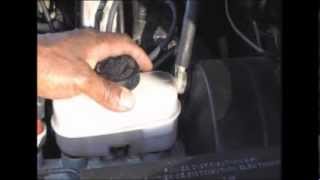
🎬 Watch a step-by-step guide on replacing an Explorer master cylinder.Helpful Videos
Technical Specifications
OEM Part Numbers: 6L2Z-2140-B
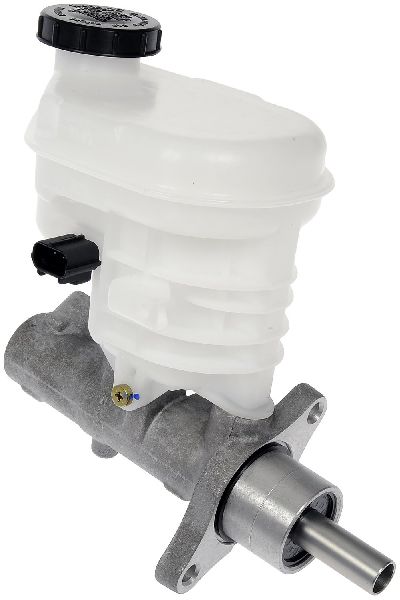
Requires DOT 4 Brake Fluid. The assembly includes the master cylinder and reservoir. The system must be fully bled after installation, starting with the wheel furthest from the master cylinder.
We Have This Part in Stock

The information in this article is provided for general reference and educational purposes only. Vehicle specifications, procedures, and part compatibility can vary by production date, trim level, and region. Always consult your vehicle's factory service manual and verify part numbers before purchasing or performing repairs. Safety-critical components such as airbags, seat belts, and braking systems should be installed by a qualified professional.
- Ford Explorer: