

2014-2019 Ford Fiesta Engine Coolant Temperature Sensor: A Complete Guide
Fixing overheating, poor fuel economy, or a check engine light on your Fiesta often starts with this critical sensor.
- A bad ECT sensor can cause overheating, poor fuel economy, a check engine light, and rough idling.
- Replacement is a simple, low-cost DIY job for most owners, taking less than an hour.
- For reliability, choose the OEM Motorcraft part or a premium aftermarket brand like NGK/NTK.
- A recall (17S09) for 2014-15 Fiesta STs added a coolant *level* sensor but is separate from this part.
Is Your Fiesta's Coolant Temp Sensor Failing?

A bad Engine Coolant Temperature (ECT) sensor can cause a surprising number of problems with your 2014-2019 Ford Fiesta. Because the sensor's reading affects so many engine functions, a false signal can make the car's computer take the wrong actions. For example, if the sensor incorrectly tells the computer the engine is cold, the computer will enrich the fuel mixture, leading to poor gas mileage and black smoke. If it fails to report a hot engine, the cooling fans may not turn on, leading to overheating.
Key Failure Symptoms
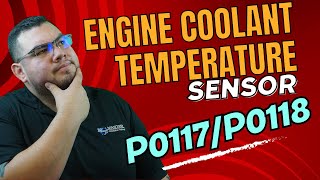
- Check Engine Light: Often the first sign. Common codes include P0117, P0118, and P0128. 🎬 Watch: How to test and replace sensors with these codes.
- Engine Overheating: The temperature gauge may climb high, especially in traffic, 🎬 See how a new sensor solved this Fiesta's overheating issues. or shoot to maximum immediately after starting the car.
- Cooling Fans Not Working: The fans may not turn on when the engine gets hot.
- Poor Fuel Economy: A false 'cold' signal makes the engine run rich, wasting gas.
- Rough Idle: The engine may idle poorly or surge, especially when cold.
- Black Smoke from Exhaust: This is a sign of an overly rich fuel mixture caused by a bad sensor reading.
A Note on Ford Recall 17S09
Ford issued a recall for 2014-2015 Fiesta ST models with the 1.6L EcoBoost engine due to a risk of cylinder head cracking from low coolant levels, which could lead to a fire. The fix involved installing a new coolant level sensor and warning system. This recall did not replace the original ECT sensor. Some owners have reported false overheating warnings and limp mode issues after this recall service, which may be related to the new wiring or software.
Choosing the Right Aftermarket Sensor

When replacing the ECT sensor, you have a choice between the original equipment (OEM) part and several aftermarket brands. For a critical sensor like this, quality matters.
OEM vs. Aftermarket Quality
Motorcraft is Ford's own brand, and the part (DY-1187 for the 1.6L engine) is a guaranteed fit and will perform to original specifications. For many owners, sticking with the OEM part provides peace of mind. However, high-quality aftermarket brands can offer similar performance at a lower cost.
Aftermarket brands can be grouped into tiers based on reputation and quality:
- Premium Aftermarket (Recommended): Brands like NGK (NTK) have a stellar reputation for sensors and electronics that meet or exceed OEM standards. Choosing a brand like this is a safe bet for reliability.
- Standard Aftermarket: This category includes well-known brands like Standard Ignition (SMP), Four Seasons, Walker Products, Motorad, and Holstein. These are generally reliable, widely available, and offer a good balance of price and quality. They are a common choice for everyday repairs.
- Economy Brands: The list of available parts includes brands like Calorstat, Global Parts, True Tech, and Vemo. While they are the most budget-friendly, less information is available about their long-term reliability. They may be a suitable choice for a budget-conscious repair, but quality can be inconsistent.
Pro Tip: The ECT sensor for the Fiesta is held in by a small retaining clip, not threads. Be careful not to lose this clip during removal. A small amount of coolant will spill when you pull the old sensor out, so have the new sensor ready to plug the hole quickly.
Typical Replacement Costs
The cost to replace the ECT sensor on a 2014-2019 Fiesta is relatively low, especially if you do it yourself. The part itself is inexpensive, and labor is minimal.
| Part/Service | Estimated Cost |
|---|---|
| New OEM (Motorcraft) Part | $40 - $65 |
| New Aftermarket Part | $14 - $64 |
| Shop Labor | $60 - $90 |
| Total Professional Replacement | $100 - $155 |
Frequently Asked Questions (FAQ)

Where is the engine coolant temperature sensor located on the Fiesta?
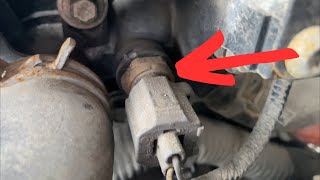
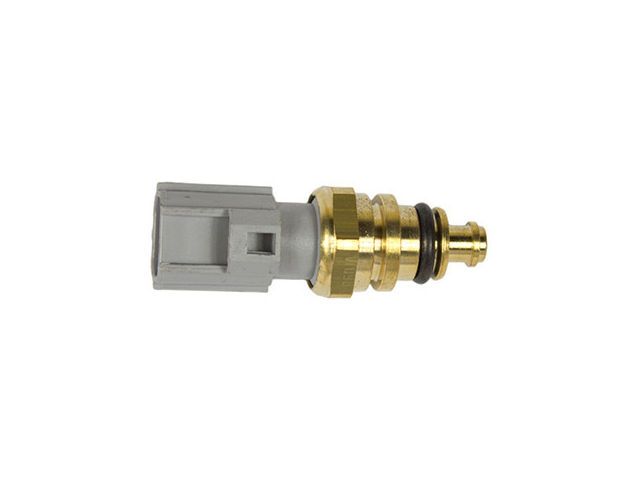
On the 1.6L engine, the sensor is on the right side (passenger side) of the engine, near the top, behind the throttle body. 🎬 Watch: Step-by-step location and replacement for the 1.6L engine. On the 1.0L EcoBoost engine, it is typically found in the thermostat housing. It is a small, two-wire sensor that plugs into the engine block or housing.
Can I replace this sensor myself?
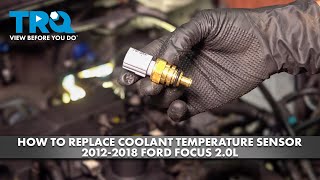
Yes, this is a very DIY-friendly job for most home mechanics. It involves disconnecting the electrical plug, pulling out a retaining clip, and swapping the old sensor for the new one. You will need basic hand tools, possibly a deep socket, and should let the engine cool down completely before starting to avoid burns and pressure in the cooling system.
What happens if I don't replace a bad ECT sensor?
Ignoring a bad ECT sensor can lead to more serious problems. Continued overheating can cause severe engine damage, such as a warped cylinder head. Constantly running rich will foul spark plugs, damage the catalytic converter over time, and result in very poor fuel economy. Since it's an inexpensive and simple fix, it's best to address it immediately.
Is there a difference between the ECT sensor and the cylinder head temperature (CHT) sensor?
Yes. While they perform a similar function of measuring temperature, the ECT measures the temperature of the liquid coolant, while a CHT sensor measures the temperature of the metal cylinder head itself. Some Ford vehicles use a CHT sensor instead of or in addition to an ECT. For most 2014-2019 Fiestas, the primary sensor for the ECU is the ECT sensor discussed in this article.
Helpful Videos

Technical Specifications
OEM Part Numbers: DY-1187
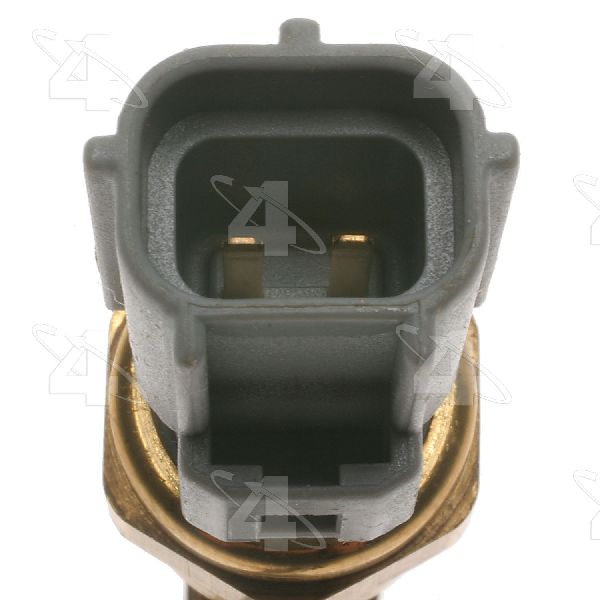
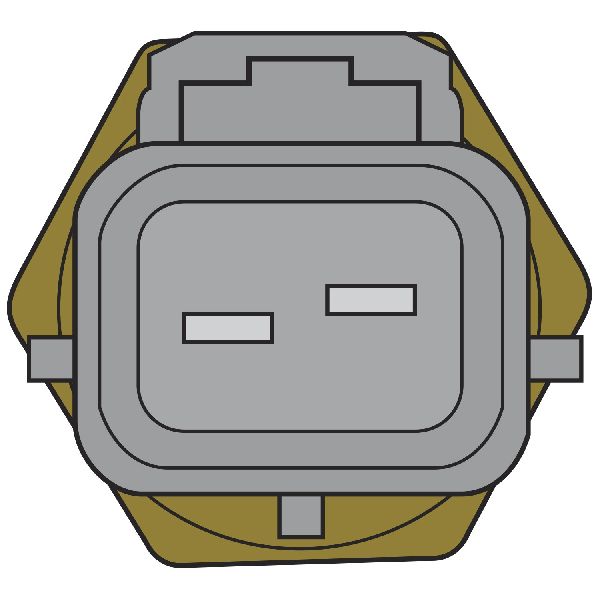
2-pin connector, held in by a retaining clip (not threaded).
We Have This Part in Stock


The information in this article is provided for general reference and educational purposes only. Vehicle specifications, procedures, and part compatibility can vary by production date, trim level, and region. Always consult your vehicle's factory service manual and verify part numbers before purchasing or performing repairs. Safety-critical components such as airbags, seat belts, and braking systems should be installed by a qualified professional.
- Ford Fiesta: