

A Comprehensive Guide to the 2014-2019 Hyundai Elantra Brake Light Switch
Solve issues like brake lights staying on or a no-start condition by understanding this critical, easy-to-replace part.
- A common failure is the small plastic stopper pad on the brake pedal, not the switch itself. Check for broken plastic on your floor mat first.
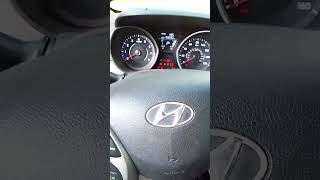
- Symptoms are serious and range from a no-start condition to brake lights failing, which is a critical safety issue.
- A recall was issued for the 2014 Elantra for the brake pedal stopper pad; check if your vehicle was repaired.
- This is an inexpensive and easy DIY replacement that can be done in under 30 minutes with basic tools.
Is It the Switch or the Stopper Pad?
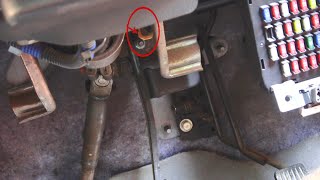
For the 2014-2019 Hyundai Elantra, one of the most common failures isn't the switch itself, but a small, inexpensive part called the brake pedal stopper pad. This is a small plastic or rubber bumper on the brake pedal arm that presses the switch's plunger when the pedal is released. Over time, this pad can become brittle and disintegrate, falling to the floor mat in pieces. When this happens, the switch is no longer pressed, and the car thinks the brakes are constantly being applied. This leads to brake lights that won't turn off and a drained battery.
Check for a Recall
Hyundai issued a recall (NHTSA Campaign ID: 17V769000, Hyundai Recall 170) for the 2013-2014 Elantra to replace the brake pedal stopper pad due to this issue. If you own a 2014 model, check with a Hyundai dealer to see if this recall work has been performed. While not under recall, later model years can still experience this common failure.
Choosing the Right Aftermarket Brake Light Switch

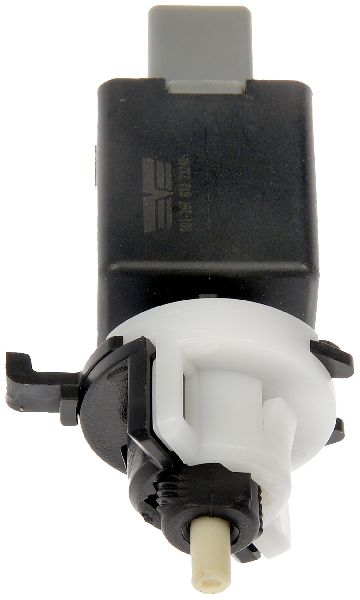
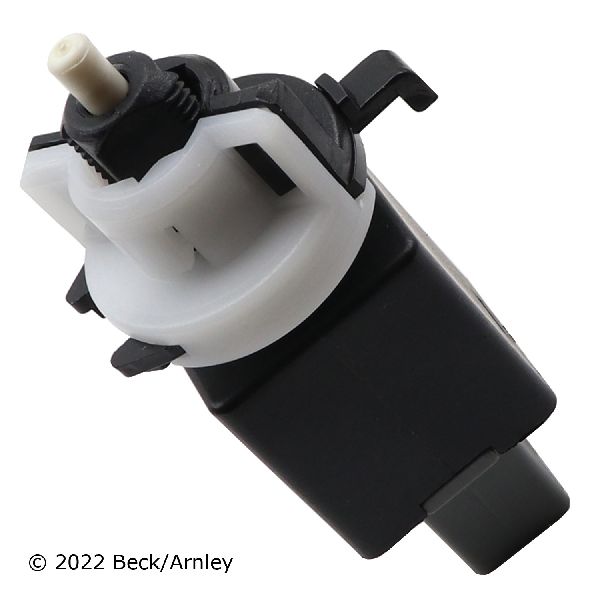
If you've confirmed the switch itself is faulty, several reliable aftermarket options are available. For a simple electronic part like this, a quality aftermarket switch often provides the same performance as the original at a better price. There is little functional difference between OEM and a good aftermarket replacement for this component.
- OEM-Equivalent Quality (Beck Arnley, Standard Ignition): Brands like Beck Arnley specialize in parts for import vehicles and are often sourced from the same manufacturers as the original parts. Standard Ignition (SMP) is a long-standing brand with a reputation for producing reliable electronic components. These are excellent choices if you want the highest level of confidence in fit and longevity.
- Standard Aftermarket (Dorman, Rostra Powertrain): Dorman is one of the most well-known aftermarket brands, providing a direct replacement for the original part. Rostra is another established supplier of automotive electronics. These brands offer a dependable, cost-effective solution for this repair.
Installation Tips

Replacing the brake light switch is a straightforward job for most DIYers and requires minimal tools.
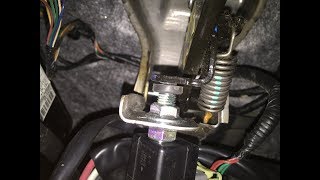
- Locate the Switch: The switch is mounted on a bracket above the brake pedal arm, under the driver's side dashboard.
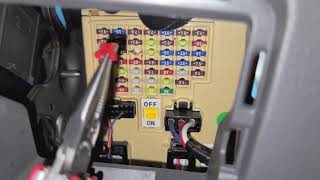
- Disconnect and Remove: First, disconnect the electrical connector. The switch is typically held in place by two nuts on a threaded body. Loosen the nuts with a 14mm wrench and unscrew the switch to remove it.
- Install New Switch: Thread the new switch into the bracket. Before tightening the nuts, ensure the proper gap and adjustment. The switch plunger should be fully depressed when the brake pedal is not touched, and it should release as soon as the pedal is pressed. Improper adjustment can cause the same symptoms as a failed switch.
- Test: Reconnect the battery if you disconnected it. Test the brake lights, cruise control, and the ability to shift from park to ensure everything functions correctly.
Pro Tip: Before ordering a new switch, check the driver's side floor mat for small, broken pieces of plastic. If you find them, you likely only need to replace the brake pedal stopper pad (a much cheaper part), not the entire switch.
Frequently Asked Questions

Why are my brake lights stuck on and draining my battery?
This is the most common symptom, and it's usually caused by a disintegrated brake pedal stopper pad, not a bad switch. The broken pad prevents the switch from being pressed, making the car think the brakes are always on. This keeps the lights activated and will drain your battery.
Why won't my push-button start Elantra start?
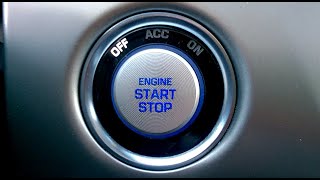
Your car requires a signal from the brake light switch to confirm the brake pedal is pressed before it will start. If the switch is faulty and not sending this signal, the engine will not crank when you press the start button.
Why did my ESC/Traction Control light turn on?
The Electronic Stability Control (ESC) system uses information from the brake light switch. If the switch provides an incorrect or intermittent signal (e.g., it says the brakes are on when they aren't), it can confuse the system and trigger the ESC warning light on your dashboard.
Is this a difficult part to replace myself?
No, this is considered an easy DIY repair. It usually takes less than 30 minutes and only requires basic hand tools, like a 14mm wrench. The main difficulty is the awkward position of working in the driver's footwell.
Helpful Videos
Technical Specifications
OEM Part Numbers: 93810-3S000
4-Pin Blade Type Connector
We Have This Part in Stock


The information in this article is provided for general reference and educational purposes only. Vehicle specifications, procedures, and part compatibility can vary by production date, trim level, and region. Always consult your vehicle's factory service manual and verify part numbers before purchasing or performing repairs. Safety-critical components such as airbags, seat belts, and braking systems should be installed by a qualified professional.
- Hyundai Elantra: