

Engine Coolant Thermostat Guide for the 2014-2019 Hyundai Sonata
Understanding the signs of a failing thermostat in your Sonata and how to choose the right replacement part.
- A P0128 check engine code almost always means your Sonata's thermostat is stuck open and needs replacement.
- If your engine is overheating, stop driving immediately to prevent catastrophic engine damage.
- Replacing the thermostat is a manageable DIY job that can save you hundreds in labor costs.
- Always replace the thermostat gasket or seal at the same time to prevent leaks.
Is Your Sonata's Thermostat Failing?

A faulty thermostat in the 2014-2019 Hyundai Sonata typically fails in one of two ways: stuck open or stuck closed. The most common failure is getting stuck open, which will usually trigger a check engine light.
Common Symptoms of a Bad Thermostat
- Engine is slow to warm up: The temperature gauge on your dashboard takes much longer than usual to reach the normal operating position (just below the halfway mark).
- Check Engine Light with code P0128: This is the most common code for a thermostat that is stuck open, indicating the engine coolant temperature is below its regulating temperature.
- Poor heater performance: If the engine isn't getting hot enough, the air blowing from your vents will be lukewarm or cold, especially on the highway.
- Engine overheating: If the thermostat sticks closed, coolant cannot get to the radiator. This is a serious condition that will cause the temperature gauge to spike into the red. You may see steam from the engine bay. Pull over and shut off the engine immediately if this happens.
- Decreased fuel economy: An engine that runs too cool is less efficient, leading to worse gas mileage.
Choosing the Right Aftermarket Thermostat

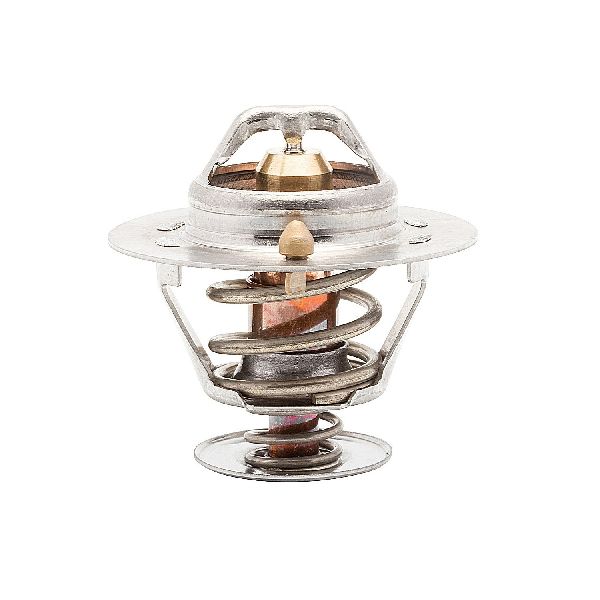
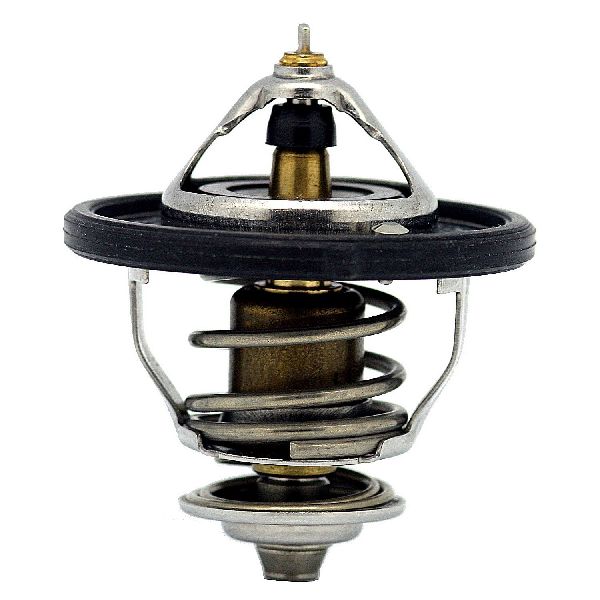
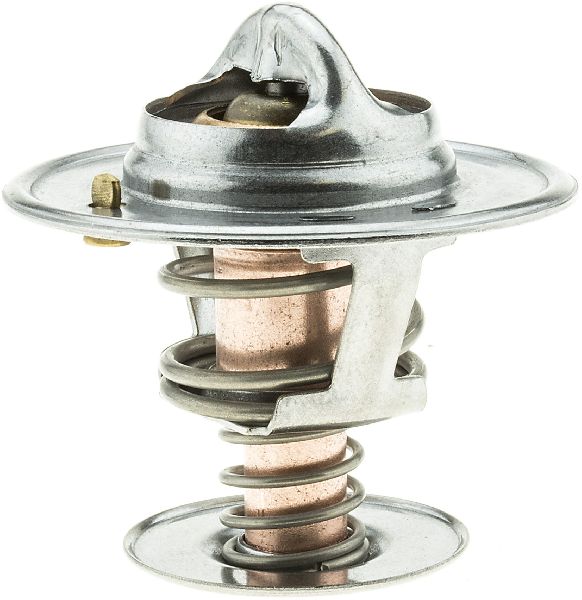
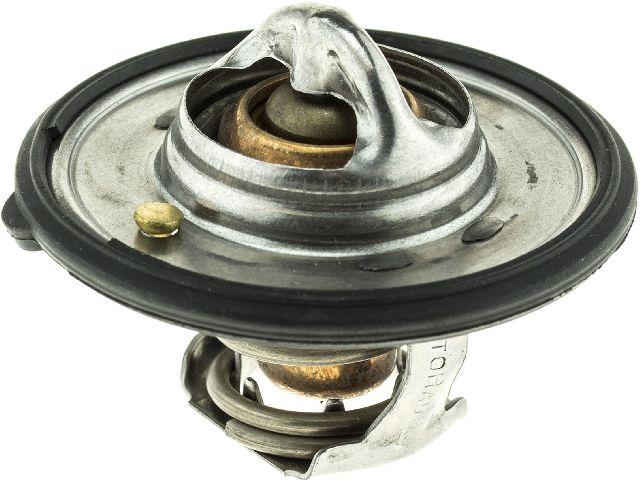
For the 2014-2019 Sonata, you don't always need to buy an expensive OEM part. Many aftermarket brands offer reliable quality at a lower price. When shopping, consider these tiers:
- Tier 1 - OEM Equivalent: Brands like Beck Arnley often source their parts from the same manufacturers that supply Hyundai. This can give you OEM quality without the dealership price tag. They are a strong choice for a direct-fit, reliable replacement.
- Tier 2 - Reputable Aftermarket: Brands like Gates and Motorad are well-known manufacturers of cooling system components. They are widely available and provide a good balance of cost and quality for this repair. While some forum users have noted occasional inconsistencies compared to OEM, they are generally considered a solid choice for most owners.
Known Issues, Recalls, or TSBs
Searches of the National Highway Traffic Safety Administration (NHTSA) database and for Technical Service Bulletins (TSBs) did not find any specific recalls or service campaigns for engine coolant thermostat failure on the 2014-2019 Hyundai Sonata. While there are engine-related recalls for this generation, they do not pertain to the thermostat itself. The P0128 trouble code is a widely recognized issue for this part across many Hyundai models.
Cost of Replacing a Hyundai Sonata Thermostat

| Part Type | Estimated Cost |
|---|---|
| New Aftermarket Thermostat | $17 - $67 |
| New OEM Thermostat | $25 - $50 |
| Shop Labor | $185 - $420 |
| Total Professional Replacement | $210 - $487 |
Note: Costs are estimates and can vary based on your location and the specific repair shop. Some shops may recommend replacing the entire thermostat housing, which increases the part cost but can prevent future leaks from the plastic housing.
Frequently Asked Questions

What does the P0128 code mean on my Sonata?
The P0128 code means "Coolant Temperature Below Thermostat Regulating Temperature." In simple terms, the car's computer has detected that the engine is not warming up as quickly as it should. The most common cause for this is a thermostat that is stuck in the open position, allowing coolant to circulate constantly.
Can I replace just the thermostat or do I need the whole housing?
For the 2014-2019 Sonata, you can typically replace just the thermostat itself, which sits inside the plastic housing. However, the plastic housing can become brittle over time. Many mechanics recommend replacing the entire housing assembly (which usually includes a new thermostat and seal) to prevent potential cracks and leaks in the near future.
Is an OEM thermostat better than aftermarket for my Sonata?
While OEM thermostats are guaranteed to fit and perform to factory standards, a quality aftermarket part is often sufficient for this repair. Brands that source from OEM suppliers, like Beck Arnley, can offer the same quality for less money. For a critical but simple part like a thermostat, the most important factor is choosing a reputable brand and ensuring it is installed correctly with a new gasket.
How difficult is it to replace the thermostat myself?
For a DIYer with some experience, this job is very manageable. It typically requires removing the air filter box and sometimes the battery to access the thermostat housing. You will need basic hand tools, a drain pan for coolant, and about 2-3 hours. The most important steps are ensuring you bleed the air out of the cooling system after refilling it.
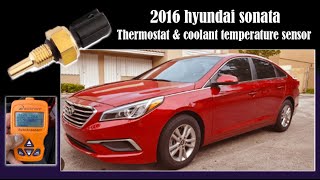
Helpful Videos
Technical Specifications
OEM Part Numbers: 25500-2G400 25620-2GGA5 25500-2E085
The standard thermostat for the 2014-2019 Sonata with the 2.4L or 2.0T engine is designed to start opening around 180°F (82°C).
We Have This Part in Stock


The information in this article is provided for general reference and educational purposes only. Vehicle specifications, procedures, and part compatibility can vary by production date, trim level, and region. Always consult your vehicle's factory service manual and verify part numbers before purchasing or performing repairs. Safety-critical components such as airbags, seat belts, and braking systems should be installed by a qualified professional.
- Hyundai Sonata: