

A Guide to Replacing Suspension Struts on the 2014-2019 Lexus ES350
Restore your Lexus's signature smooth ride by understanding when and how to replace your suspension struts.
- Failing struts cause a bouncy ride, clunking noises, and poor handling; they should be replaced in pairs.
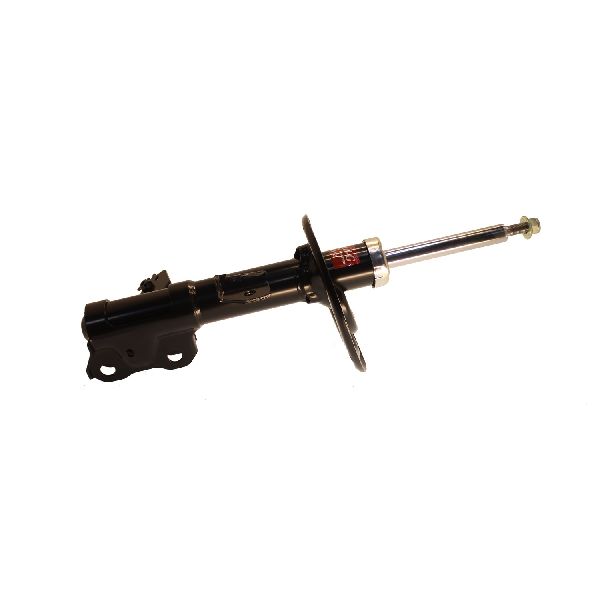
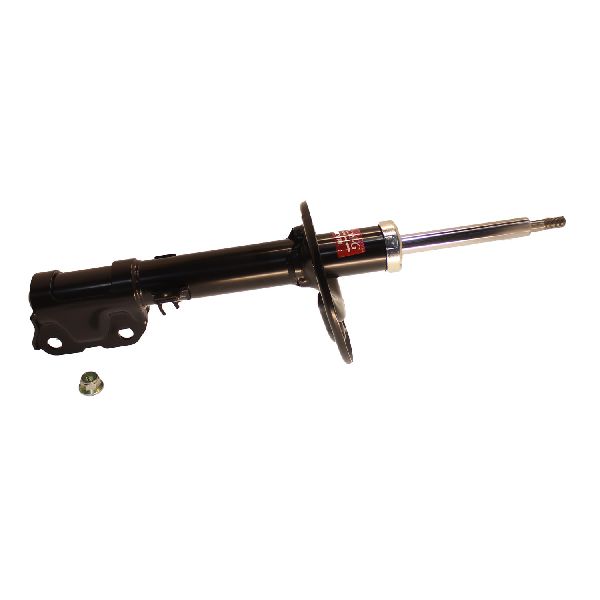
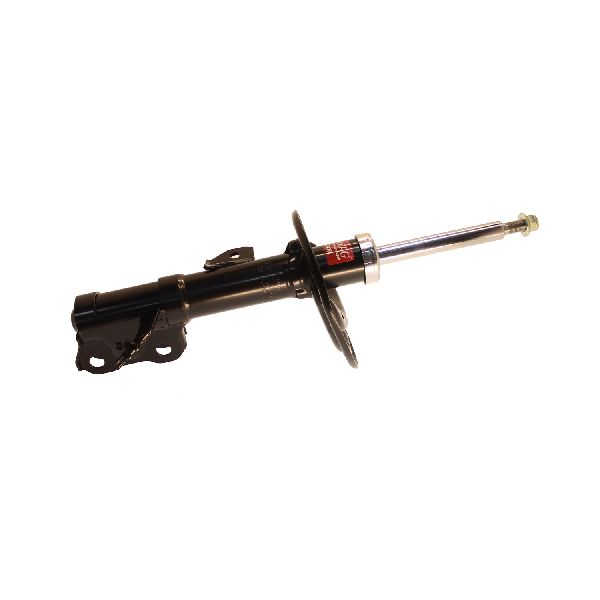
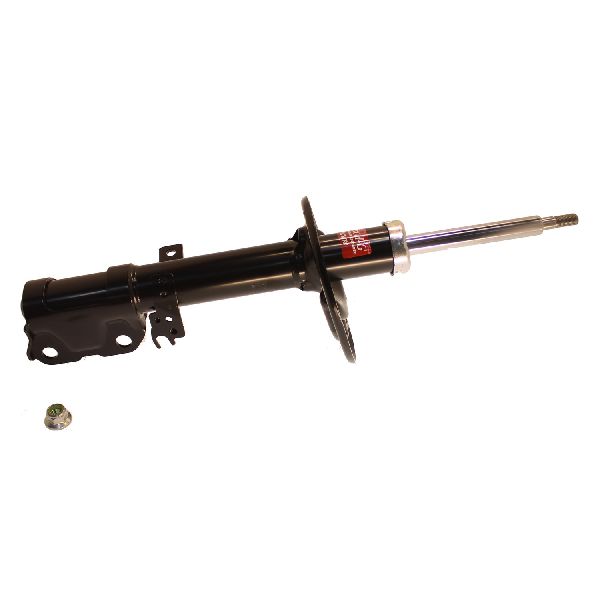
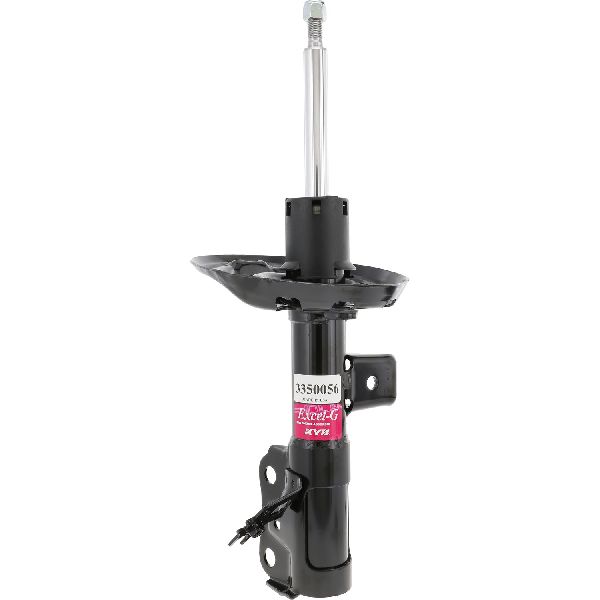
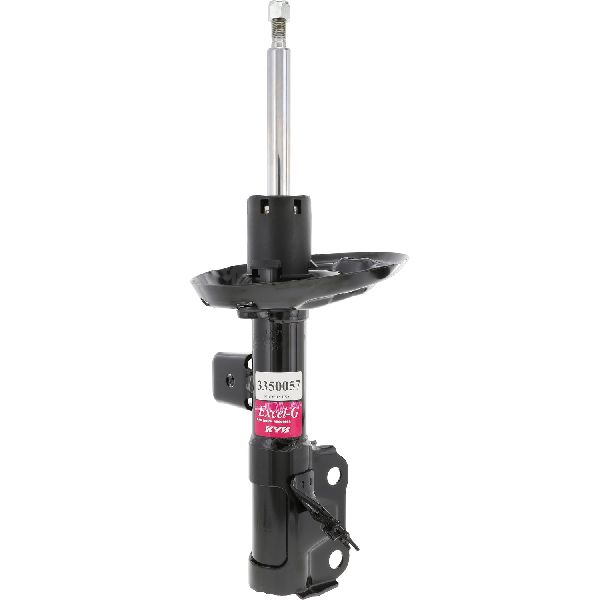
- KYB is an original equipment supplier for Lexus, making their aftermarket struts a high-quality, cost-effective alternative to expensive dealer parts.
- Aftermarket KYB struts may be slightly firmer than stock to compensate for wear on other suspension parts.
- A four-wheel alignment is mandatory after replacing front struts to prevent tire damage and ensure proper handling.
Is Your Smooth Ride a Bumpy Memory?


The Lexus ES350 is built for comfort. When the suspension starts to wear, you'll feel it. Worn struts can make your luxury sedan feel more like an old pickup truck. Ignoring the signs can lead to poor handling, reduced braking effectiveness, and uneven wear on your tires.
Symptoms of Failing Struts
- Clunking or Knocking Noises: A common sign is a 'clunk' or rattle from a corner of the car when driving over bumps or uneven pavement.
- Bouncy or Floating Ride: If your car continues to bounce up and down after hitting a dip or bump, the struts are likely worn out and no longer damping suspension movement.
- Nose-Diving and Body Roll: When you brake, does the front end of the car dip down excessively? Or does the body lean more than usual in corners? This indicates the struts are failing to control the vehicle's weight transfer.
- Visible Fluid Leaks: A strut is filled with hydraulic fluid. If you see oily fluid leaking down the side of the strut body, it is a definite sign of failure and needs immediate replacement.
- Uneven Tire Wear: Worn struts can cause a pattern of dips or 'cups' on your tires, which happens when the tire bounces as it rolls down the road.
Pro Tip: Is It the Strut or Something Else?
For the 2019 model year, Lexus issued a Technical Service Bulletin (TSB) for a clunking noise from the front of the vehicle that could be mistaken for a bad strut. The actual cause was a loose stabilizer bar link nut. Before replacing your struts, it's wise to have a mechanic check the stabilizer bar links, as this is a much simpler and cheaper repair.
Choosing Your Replacement Struts: OEM vs. Aftermarket

When replacing struts on your ES350, you have a choice between original equipment (OEM) from a Lexus dealer or aftermarket parts from brands like KYB. Your decision impacts both cost and ride quality.
OEM Struts
These are the exact same parts your car was built with. They guarantee the original ride feel that was engineered specifically for the ES350. However, they are the most expensive option, often costing two to three times more than aftermarket parts.
Aftermarket: The KYB Option
KYB is a well-respected brand that is a major OEM supplier for Toyota and Lexus. This means they have deep expertise in building parts for your vehicle. Many owners and technicians consider KYB the go-to aftermarket choice for Japanese vehicles.
- Quality: KYB aftermarket struts are built on the same assembly lines as their OEM parts. They are designed to restore the vehicle's original handling and control.
- Ride Feel: KYB has stated that their aftermarket struts are often valved to be about 10% firmer than the stock OEM parts. This is done intentionally to compensate for normal wear in other suspension components like bushings and mounts, helping to bring the overall feel back to 'like-new' specifications. Most drivers will not notice this slight firmness, but some purists prefer the exact feel of OEM.
- Complete Assemblies vs. Bare Struts: You can buy a 'quick strut' or complete assembly, which includes the strut, spring, and mount all in one piece. This makes installation much faster and safer, as you don't need a special tool to compress the spring. Alternatively, you can buy just the bare strut and reuse your original Lexus springs and mounts, which some mechanics prefer to maintain the original spring rate.
| Part Type | Estimated Cost (Part Only) | Notes |
|---|---|---|
| New OEM (Lexus) | $250 - $350 | Guarantees original ride feel, but at a premium price. |
| New Aftermarket (KYB) | $120 - $145 | Excellent quality, often from the OEM supplier, at a much lower cost. |
| Used OEM | $75 - $125 | A budget option, but the part's remaining lifespan is unknown. |
Frequently Asked Questions

Should I replace struts in pairs?
Yes, always. Struts should be replaced in pairs (both front or both rear) to ensure even handling and ride height. Replacing only one can cause unpredictable steering and handling characteristics.
Do I need a wheel alignment after replacing struts?
Yes. Replacing the front struts will always change the wheel alignment angles. A four-wheel alignment is required after the job is done to prevent crooked steering, poor handling, and rapid tire wear.
Are there any recalls for the 2014-2019 ES350 suspension?
No. While there have been recalls for this generation of ES350 for issues like the fuel pump and airbags, there are no active recalls specifically for the suspension struts or related components.
How long do struts last on a Lexus ES350?
There is no exact mileage, but struts are a wear item. You can expect to inspect them for wear around 80,000 miles, with replacement often occurring between 100,000 and 150,000 miles, depending on driving conditions. Rough roads will shorten their lifespan.
Helpful Videos

Technical Specifications
OEM Part Numbers: 48530-80706 48530-80640 48510-80606 48540-80019 48520-80320
The 2014-2019 Lexus ES350 uses a MacPherson strut setup for the front suspension and an independent strut-based suspension in the rear. The front struts are a complete assembly with an integrated coil spring and mount. The rear uses a separate shock absorber and coil spring. Note that part numbers can vary based on production date (before or after July 2015) and wheel size (17-inch vs. 18-inch).
We Have This Part in Stock

The information in this article is provided for general reference and educational purposes only. Vehicle specifications, procedures, and part compatibility can vary by production date, trim level, and region. Always consult your vehicle's factory service manual and verify part numbers before purchasing or performing repairs. Safety-critical components such as airbags, seat belts, and braking systems should be installed by a qualified professional.
- Lexus ES350: