

Toyota RAV4 Oxygen Sensor Guide: 2014-2019 Models
Everything you need to know about replacing the oxygen sensors on your fourth-generation Toyota RAV4.
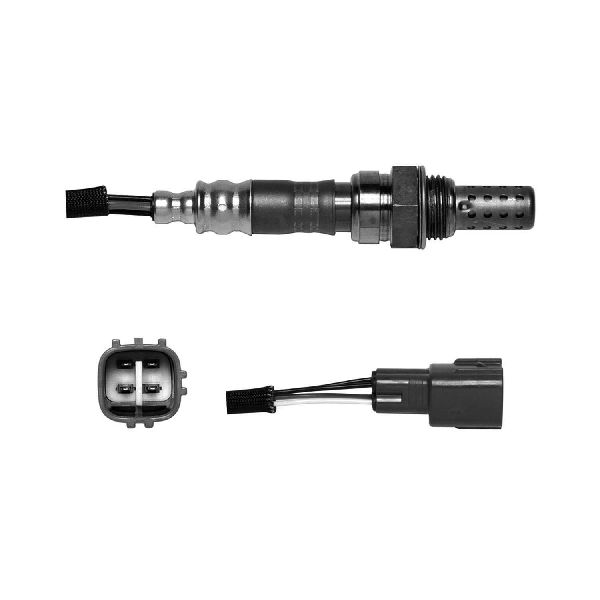
- For the best results, choose an aftermarket Denso or NGK/NTK oxygen sensor, as they are the original equipment manufacturers for Toyota.
- Your 2014-2019 RAV4 has two sensors: an upstream (Air/Fuel) and a downstream (Heated O2). They are not interchangeable.
- A failing O2 sensor will almost always turn on the Check Engine Light and can cause poor fuel economy and engine performance.
- Replacing the sensor is a manageable DIY task, but rust can make removal difficult, sometimes requiring heat.
Understanding Oxygen Sensor Failure in Your RAV4

When an oxygen sensor in your 2014-2019 Toyota RAV4 starts to fail, it can cause noticeable problems. The most common sign is the check engine light turning on. You might also experience worse gas mileage, a rough idle, or hesitation when you accelerate. In some cases, you could smell a rotten egg odor from the exhaust, which indicates a more serious issue that could damage your expensive catalytic converter. Ignoring a bad O2 sensor can lead to failed emissions tests and long-term engine problems.
Choosing the Right Aftermarket Oxygen Sensor

When replacing an O2 sensor, you have options besides the expensive dealership part. For Toyota vehicles, the choice is straightforward. Toyota's original equipment (OEM) sensors are most often made by Denso or NTK (a brand of NGK). Choosing an aftermarket sensor from these brands often means you're getting the exact same part that came with your RAV4 from the factory, just in a different box and at a lower price.
Pro Tip: OEM vs. Aftermarket Brands
Tier 1 (OEM Supplier): Denso & NGK/NTK
These are the brands Toyota uses to build your RAV4. For a guaranteed fit and performance without the dealer markup, Denso and NTK are your best choices. They are engineered specifically for your vehicle's engine and computer system.
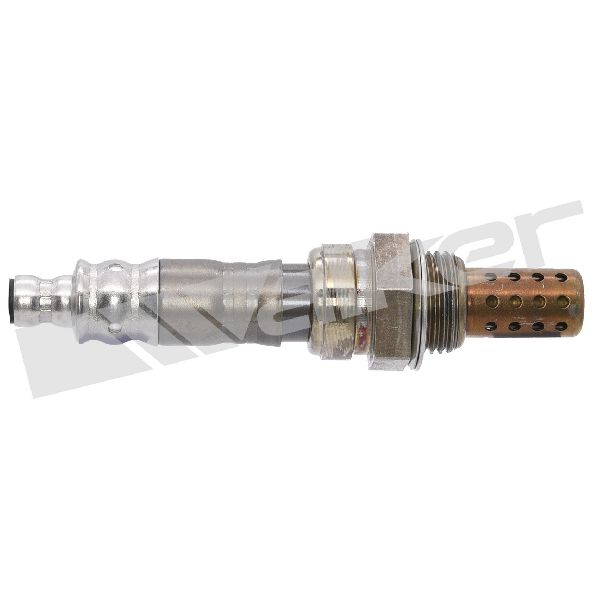
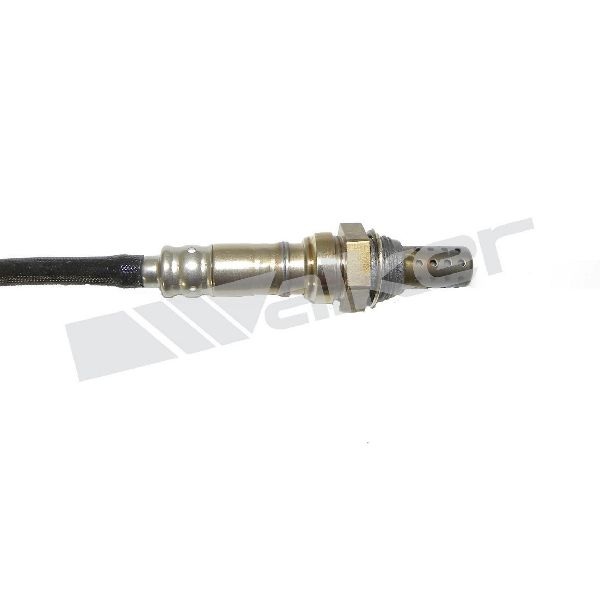
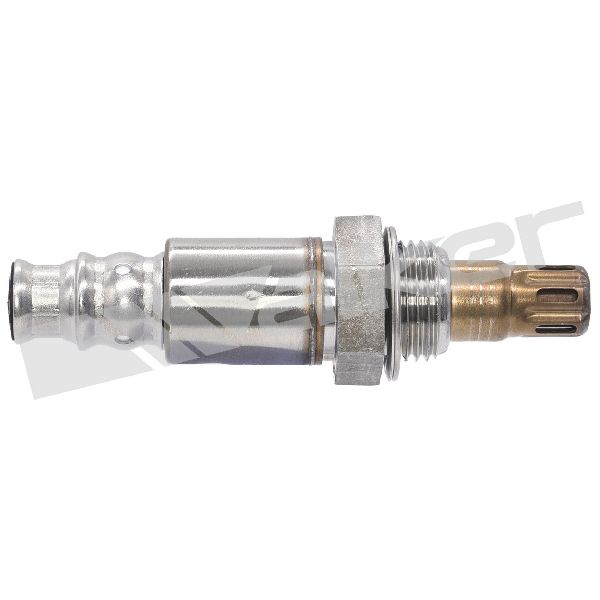
Tier 2 (Reputable Aftermarket): Bosch & Walker Products
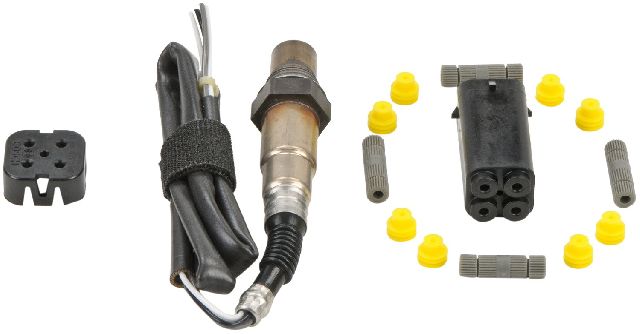
Bosch is a massive parts manufacturer that invented the O2 sensor. While they are a top-tier supplier for many European brands, some Toyota owners prefer to stick with the original Japanese brands (Denso/NTK) for perfect compatibility. Walker Products is a well-known aftermarket brand that offers a good balance of quality and value, with many positive reviews.
Tier 3 (Budget): DriveWire & Other Economy Brands
These brands offer the lowest prices. While they can work, their lifespan and precision may not match the higher-tier brands. For a critical component like an oxygen sensor that directly impacts fuel economy and engine health, it's generally recommended to invest in a Tier 1 or Tier 2 brand for your RAV4.
Upstream vs. Downstream Sensors

Your RAV4 has two primary oxygen sensors that perform different jobs. It's critical to order the correct one.
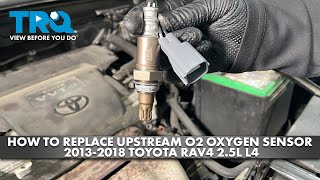
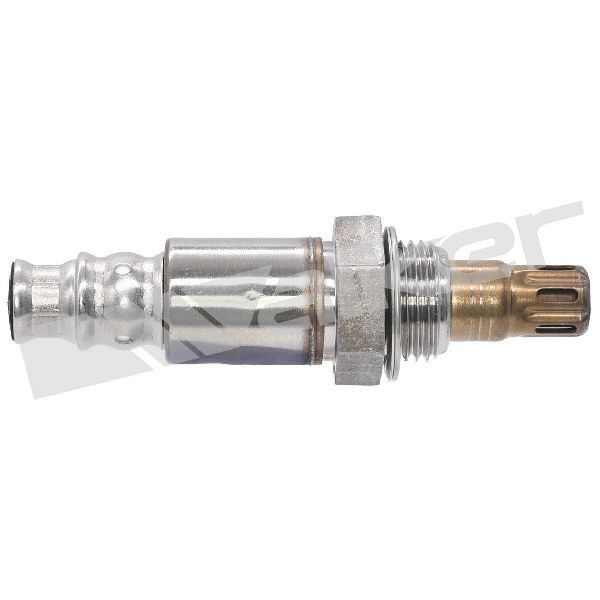
- Upstream Sensor (Bank 1, Sensor 1): Also called an Air/Fuel Ratio Sensor. This is located on the exhaust manifold before the catalytic converter. 🎬 Watch: Step-by-step guide to replacing the upstream air/fuel sensor. It is the primary sensor for adjusting the air-fuel mixture.
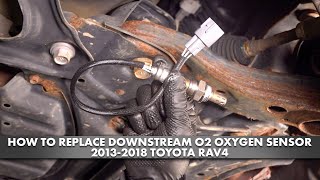
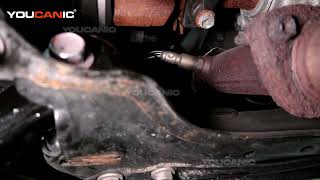
- Downstream Sensor (Bank 1, Sensor 2): Also called a Heated Oxygen Sensor. This is located after the catalytic converter. Its main job is to monitor the efficiency of the converter. A common trouble code for this sensor is P0138. 🎬 See how to swap out the Bank 1 Sensor 2.
Common Ordering Mistake
The most frequent error is ordering a downstream sensor when you need an upstream one, or vice-versa. They are not interchangeable. Always confirm the location of the failed sensor, either by its position on the vehicle or by the specific diagnostic trouble code (DTC) from a code reader.
Known Issues, Recalls, and TSBs
While there are no major recalls for the 2014-2019 RAV4 oxygen sensors, Toyota did issue a Special Service Campaign (SSC) for some 2015-2016 Sienna vehicles for an O2 sensor issue that could also trigger codes like P0136, P0137, and P0138. No specific TSBs or recalls were found for the 2014-2019 RAV4 itself in the searches, indicating the sensors are generally reliable. However, problems can still occur with age and mileage.
Cost of Replacing a Toyota RAV4 Oxygen Sensor
| Part/Service | Estimated Cost |
|---|---|
| New OEM (Dealer) | $250 - $400+ |
| New Aftermarket | $41 - $306 |
| Shop Labor | $119 - $175 |
| Total (DIY Aftermarket) | $41 - $306 |
| Total (Shop-Installed Aftermarket) | $160 - $481 |
Frequently Asked Questions

How many oxygen sensors does my 2014-2019 RAV4 have?
The standard 2.5L 4-cylinder engine in this generation has two primary oxygen sensors: one upstream (air/fuel ratio sensor) and one downstream (heated O2 sensor).
Can I replace an oxygen sensor myself?
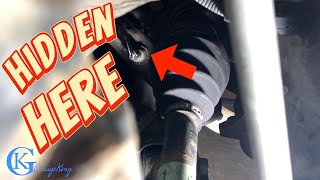
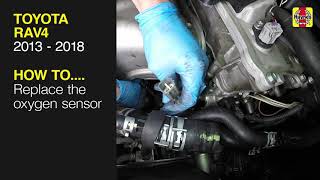
Yes, this is a DIY-feasible job for someone with basic mechanical skills. 🎬 Watch this video to see if you can DIY this repair. However, the sensors can be very tight in the exhaust pipe and may require heat and a special oxygen sensor socket to remove. Rust is your biggest enemy here.
What tools do I need to replace an O2 sensor?
You will need a special 22mm (7/8") oxygen sensor socket with a slit for the wire, a ratchet, and potentially a penetrating lubricant. In difficult cases, a torch to heat the exhaust around the sensor may be necessary to break it free.
Should I replace both sensors at the same time?
It's not always necessary. If only one sensor has failed, you only need to replace that one. However, if your vehicle has high mileage and one sensor fails, the other may not be far behind. Some owners choose to replace them in pairs for peace of mind, but it is not required.
Helpful Videos
Technical Specifications
OEM Part Numbers: 89465-0R040 89465-0R030
The 2.5L 2AR-FE engine uses two primary sensors: a wideband upstream Air/Fuel Ratio Sensor (Bank 1, Sensor 1) and a narrow-band downstream Heated Oxygen Sensor (Bank 1, Sensor 2). Both are typically 4-wire heated sensors with a 22mm (7/8") hex size.
We Have This Part in Stock

The information in this article is provided for general reference and educational purposes only. Vehicle specifications, procedures, and part compatibility can vary by production date, trim level, and region. Always consult your vehicle's factory service manual and verify part numbers before purchasing or performing repairs. Safety-critical components such as airbags, seat belts, and braking systems should be installed by a qualified professional.
- Toyota RAV4:
- 🎬 Helpful Videos
- 🛍️ Shop This Part
- Understanding Oxygen Sensor Failure in Your RAV4
- Choosing the Right Aftermarket Oxygen Sensor
- Pro Tip: OEM vs. Aftermarket Brands
- Upstream vs. Downstream Sensors
- Common Ordering Mistake
- Known Issues, Recalls, and TSBs
- Cost of Replacing a Toyota RAV4 Oxygen Sensor
- Frequently Asked Questions
- 🎟️ Get 5% Off