

A/C Receiver Drier and Desiccant Guide for the 2014-2020 Audi A4
Learn about the most critical part to replace during any A/C repair on your B8.5 or B9 Audi A4.
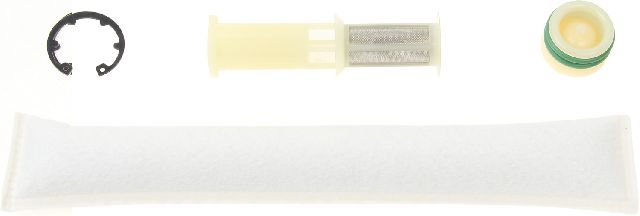
- On the 2014-2020 A4, this part is a desiccant bag inside the condenser, not a separate canister.
- It is mandatory to replace the desiccant bag anytime the A/C system is opened to the atmosphere.
- Replacement is a complex job best left to professionals due to the need for special tools and bumper removal.
- Before replacing, verify the A/C leak is not from the evaporator core, a common and more costly issue on these cars.
Understanding the A/C Drier on Your Audi A4
When your Audi A4's air conditioning stops blowing cold, many shops will recommend replacing the A/C receiver drier. On these specific models (covering both B8.5 and B9 generations), this isn't a simple, standalone part. It's a desiccant bag that fits into a special tube integrated into the A/C condenser at the very front of the car. Think of it as a filter that must be changed, but only when the system is already open for other repairs, like replacing a hose or the compressor. Its main job is to absorb water, which is the number one enemy of a modern A/C system.
Warning: Check for Evaporator Leaks First
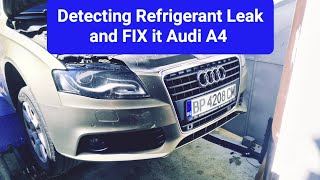
Many 2017-2020 Audi A4 models suffer from leaking A/C evaporators, a part located deep inside the dashboard. Audi has even issued Technical Service Bulletins (TSBs) for this issue. The symptom—loss of cooling—is the same as other leaks. Before assuming your problem is the condenser or drier, ensure a technician properly diagnoses the source of the leak. 🎬 See how a technician performs a professional refrigerant leak diagnosis. An evaporator replacement is a much more expensive and labor-intensive job.
Symptoms of A/C System Moisture
A bad desiccant bag doesn't have its own unique symptoms. Instead, you'll see signs of a larger A/C system problem that requires opening the system and, therefore, replacing the bag:
- Weak or No Cooling: If the desiccant bag becomes saturated, it can break down and clog the system, or it simply fails to remove moisture, leading to poor performance.
- A/C System Shuts Off: Pressure sensors in your Audi can detect incorrect pressures from a blockage or leak and will shut the compressor down to prevent damage.
- Musty Smells: While often caused by the evaporator, excess moisture in the system can contribute to mold and mildew growth, leading to bad odors from the vents.
Choosing the Right Aftermarket Drier
When replacing the desiccant bag, quality matters. A cheap, low-quality bag can fail and release desiccant beads into your A/C system, causing catastrophic damage. For your Audi A4, you have a couple of solid aftermarket choices.
Pro Tip: Always Replace, Never Reuse
The desiccant bag is a one-time-use part. The moment it is exposed to outside air, it starts absorbing moisture. It MUST be replaced any time the A/C system is opened for service. A new desiccant bag is cheap insurance against a future compressor failure.
Tier 1: Nissens
Nissens is a well-respected brand from Denmark that specializes in engine cooling and climate control parts. They are often considered an OEM-quality supplier, and many professional mechanics trust their parts for reliability and fit. For a sensitive system like your Audi's A/C, choosing a Nissens part is a safe bet for long-term performance.
Tier 2: Global Parts Distributors (GPD)
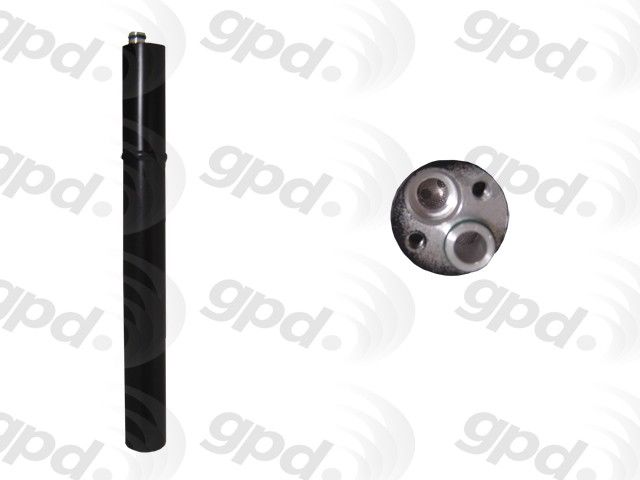
GPD is a large American supplier of aftermarket A/C components. They offer a wide range of parts that meet standard aftermarket quality levels. While perhaps not having the same OEM-supplier reputation as Nissens, GPD provides a cost-effective and reliable option for A/C repairs.
Cost to Replace the A/C Receiver Drier (Desiccant Bag)
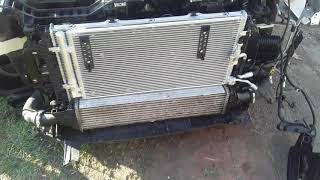
The part itself is inexpensive, but the labor is not. The cost comes from the time it takes to access the condenser, which involves removing the front bumper, and the 🎬 Watch this DIY walkthrough for removing the front end and condenser. specialized service of recovering and recharging the refrigerant.
| Item | Estimated Cost |
|---|---|
| New Aftermarket Part | $27 - $73 |
| New OEM Part | $80 - $120 |
| Shop Labor & A/C Service | $400 - $750 |
| Total Estimated Cost | $427 - $870 |
Frequently Asked Questions
Do I really have to replace the drier?
Yes. If your A/C system is opened for any reason (like replacing a hose, condenser, or compressor), the receiver drier must be replaced. It's exposed to air and immediately starts absorbing moisture, losing its effectiveness. Failing to replace it can void the warranty on a new compressor and lead to premature failure of the entire system.
Can I replace the A/C desiccant bag myself?
This is not recommended for a DIY beginner. The job requires legally mandated refrigerant recovery equipment, a vacuum pump, and manifold gauges. It also involves extensive disassembly of your Audi's front bumper and other components. This is a job best left to a qualified technician.
Where is the receiver drier on a 2014-2020 Audi A4?
It is a desiccant bag located inside a canister that is built into the side of the A/C condenser. 🎬 Watch this video to see how the desiccant bag is replaced. The condenser is at the very front of the car, in front of the radiator.
What is the difference between a receiver drier and an accumulator?
They do similar jobs but are used in different types of A/C systems. Your Audi A4 uses an expansion valve system, which requires a receiver drier (or in this case, a desiccant bag) on the high-pressure side. Systems with an orifice tube use an accumulator on the low-pressure side.
Helpful Videos

Technical Specifications
OEM Part Numbers: 8W0-898-191 4M0-898-039-A
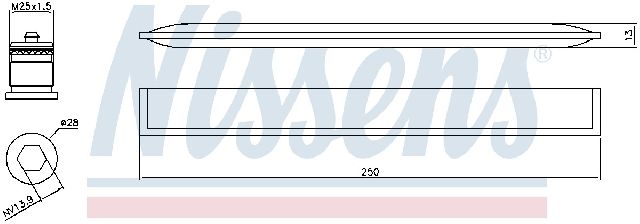
Cartridge/Desiccant Bag style integrated with A/C Condenser.
We Have This Part in Stock

The information in this article is provided for general reference and educational purposes only. Vehicle specifications, procedures, and part compatibility can vary by production date, trim level, and region. Always consult your vehicle's factory service manual and verify part numbers before purchasing or performing repairs. Safety-critical components such as airbags, seat belts, and braking systems should be installed by a qualified professional.
- Audi A4:
- 🎬 Helpful Videos
- 🛍️ Shop This Part
- Understanding the A/C Drier on Your Audi A4
- Warning: Check for Evaporator Leaks First
- Symptoms of A/C System Moisture
- Choosing the Right Aftermarket Drier
- Pro Tip: Always Replace, Never Reuse
- Cost to Replace the A/C Receiver Drier (Desiccant Bag)
- Frequently Asked Questions
- 🎟️ Get 5% Off