

A Guide to the Engine Oil Level Sensor for the 2014-2020 BMW X5
Learn about common failures with your X5's electronic oil sensor and how to choose the right replacement part.
- Your X5 has no dipstick; this electronic sensor is the only way to check your oil level.
- A faulty sensor is a risk because it may not warn you if the oil level becomes dangerously low.
- For 2019+ models, a failed oil level reading can be a symptom of a bad oil pump, not just a bad sensor.
- Replacement requires a full oil change, so factor that into the cost and timing of the repair.
Why is my BMW X5 giving an oil level warning?

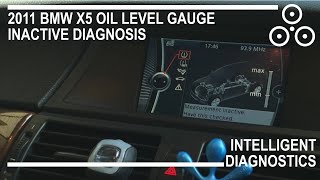
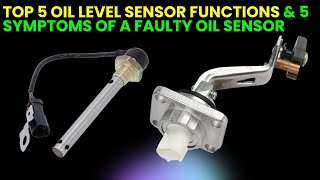
Your BMW X5 relies completely on an electronic sensor for oil readings, as it does not have a physical dipstick. When this sensor fails, it can cause a variety of confusing alerts on your dashboard. The most common sign of a problem is a yellow oil warning light or a message in the iDrive system like "Oil level sensor malfunction," even when the oil has been recently changed and is full. You might also notice that the oil level reading fluctuates wildly, showing full one moment and low the next. 🎬 Watch: 5 common symptoms of a faulty oil level sensor In other cases, the system may simply fail to complete a measurement, often getting stuck partway through the process.
🎬 Watch: Troubleshooting an inactive oil level gauge measurementSpecial Note for 2019-2020 X5 Owners (G05)
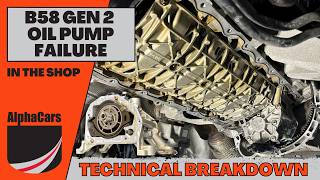
If you own a 2019 or newer X5, particularly with the B58 engine, and experience failed oil level readings, the problem may not be the sensor. Forum discussions with owners reveal a known issue where a failing oil pump can prevent the sensor from getting a reading. In these cases, replacing the oil level sensor will not fix the problem, and the oil pump itself will need to be diagnosed and replaced by a qualified mechanic.
🎬 See a technical analysis of B58 oil pump failureChoosing the Right Aftermarket Oil Level Sensor

When replacing the oil level sensor, you have the choice between a Genuine BMW part and several aftermarket options. Because this sensor is a critical electronic component and the labor involves a full oil change, reliability is key.
- OEM (Original Equipment Manufacturer): This is the part you would get from a BMW dealership. It offers the highest likelihood of working correctly without issues. The main drawback is the higher cost.
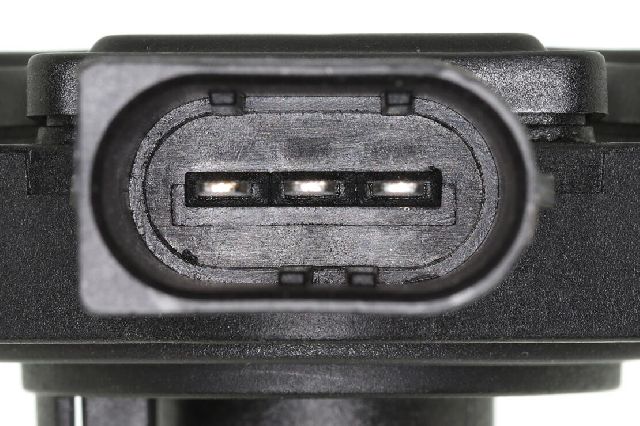
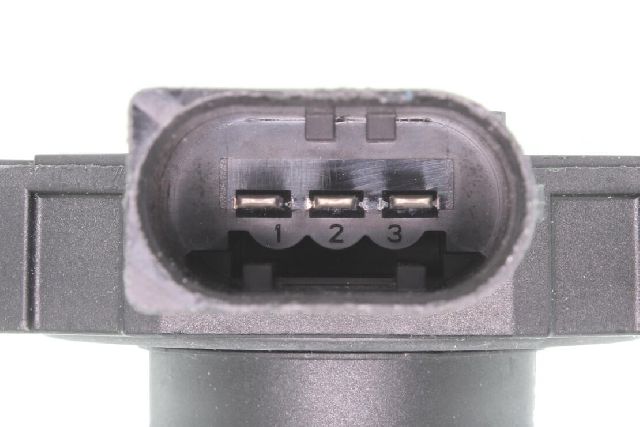
- Aftermarket Brands: Aftermarket sensors are more affordable but can be a gamble. For complex electronics on a BMW, some aftermarket parts may fail prematurely or be dead-on-arrival. When choosing an aftermarket part, it is crucial to verify that the electrical connector pins exactly match your old sensor, as variations exist.
- Vemo: Often considered a higher-tier aftermarket brand. Some user reviews state the quality is comparable to the original part. However, like any non-OEM electronic part, there is still a risk.
- Facet, Standard Ignition, Global Parts: These brands offer a cost-effective alternative. Facet is an Italian manufacturer. Standard Ignition is a widely available brand. There is less specific feedback from BMW owners on these brands for this particular sensor, so they carry a moderate risk compared to OEM.
Cost to Replace a BMW X5 Oil Level Sensor
| Part Type | Estimated Cost |
|---|---|
| New OEM | $250 - $300 |
| New Aftermarket | $151 - $387 |
| Shop Labor | $180 - $270 |
Frequently Asked Questions

Are there any recalls for the oil level sensor on the 2014-2020 X5?
No, there are no specific recalls for the engine oil level sensor on the 2014-2020 BMW X5. There is a recall for the 2019-2020 X5 related to the starter motor, but it does not involve the oil level sensor. A Technical Service Bulletin (TSB) does exist for fault codes related to the sensor, which may sometimes be fixed with a software update.
Can I replace the oil level sensor myself?
Yes, this is a feasible DIY project if you are comfortable performing an engine oil change. The sensor is located on the bottom of the oil pan and is held by three nuts. The job requires safely lifting the vehicle, draining the oil, removing a splash shield, and then swapping the sensor before refilling with fresh oil.
If the sensor is bad, will my car tell me if the oil is actually low?
No, and this is the biggest risk. If the sensor has failed, it cannot be trusted to provide an accurate reading. It may not warn you if your engine oil level becomes dangerously low. That's why it's important to address a faulty sensor promptly.
My mechanic replaced the sensor, but it's still not working. What now?
First, check the wiring and connector for corrosion or damage. If the wiring is fine, especially on a 2019 or newer model, the issue could be a failing oil pump, which prevents the sensor from taking a reading. In some cases, a vehicle software update may be required to resolve communication issues with the new sensor.
Helpful Videos
Technical Specifications
OEM Part Numbers: 12617607910 12618608781
The sensor is located on the bottom of the engine oil pan and is secured with three 10mm nuts. It uses a 3-pin electrical connector. Always confirm the pin layout matches the original part before installation.
We Have This Part in Stock


The information in this article is provided for general reference and educational purposes only. Vehicle specifications, procedures, and part compatibility can vary by production date, trim level, and region. Always consult your vehicle's factory service manual and verify part numbers before purchasing or performing repairs. Safety-critical components such as airbags, seat belts, and braking systems should be installed by a qualified professional.
- BMW X5: