

Chevrolet Impala Engine Coolant Temperature Sensor Guide (2014-2020)
Having engine issues with your 2014-2020 Impala? A faulty coolant temperature sensor could be the simple fix you need.
- A failing ECT sensor on your Impala can cause poor fuel economy, overheating, and a check engine light.
- Check for coolant leaking from the sensor connector, as a known TSB indicates this can cause wider electrical problems.
- For best results, choose an OEM-level brand like ACDelco or Delphi for the replacement part.
- Replacement is a simple DIY task for most owners, requiring only basic tools and less than an hour.
Is Your Impala Acting Up? It Might Be the Coolant Sensor

If your 2014-2020 Chevrolet Impala is experiencing issues like poor fuel economy, an erratic temperature gauge, or a check engine light, a failing Engine Coolant Temperature (ECT) sensor is a likely suspect. This sensor tells the car's computer how hot or cold the engine is, which affects everything from fuel injection to the cooling fans. When it fails, it can cause a range of problems, some of which can seem unrelated.
Known Issue: Coolant Leaking and Wicking
A GM Preliminary Information bulletin (PIC6460) highlights a specific issue where the ECT sensor can leak coolant internally. This coolant can then travel up the wiring harness (a process called wicking) all the way to the Engine Control Module (ECM). This can cause short circuits and trigger unrelated error messages, such as a "hood ajar" warning and the P257D trouble code. If you have strange electrical issues along with engine symptoms, inspect the sensor's connector for any signs of moisture or corrosion.
Symptoms of a Failing ECT Sensor

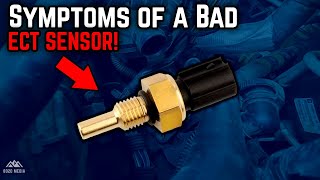
A bad ECT sensor can trick the engine's computer. It might send a signal that the engine is always cold, or always hot, regardless of the actual temperature. 🎬 Watch this video to see common symptoms of a bad sensor. Look out for these common signs:
- Check Engine Light: This is often the first sign. Common codes include P0117 (circuit low), P0118 (circuit high), and P0128 (thermostat rationality).
- Poor Fuel Economy: If the sensor tells the computer the engine is always cold, the computer will enrich the fuel mixture, causing the car to use more gas than necessary.
- Black Smoke from Exhaust: A very rich fuel mixture may not burn completely, leading to black smoke from the tailpipe.
- Engine Overheating or Running Too Cool: The sensor helps control the cooling fans. A bad signal can prevent them from turning on when needed, leading to overheating. Conversely, a false "hot" signal might make them run constantly.
- Rough Idle and Poor Performance: An incorrect fuel mixture and timing can cause the engine to run poorly, hesitate, or stall.
- Erratic Temperature Gauge: The gauge on your dashboard might not move, or it could fluctuate wildly.
Choosing the Right Aftermarket Sensor

For your Impala, you don't have to buy the part from a Chevrolet dealer to get reliable quality. Several aftermarket brands offer excellent alternatives.
Tier 1: OEM-Level Quality
- ACDelco & Delphi: ACDelco is GM's official parts brand, and Delphi was the original equipment manufacturer (OEM) for many GM parts. Often, a Delphi-branded sensor is the exact same part as the ACDelco one, just in a different box and sometimes at a lower price. Choosing either ACDelco GM Original Equipment or Delphi is the closest you can get to the factory part.
Tier 2: Trusted Aftermarket Brands
- NGK/NTK, Standard Motor Products (SMP), Hella, Walker Products: These are well-respected brands in the aftermarket industry. They produce reliable sensors that meet or exceed OEM specifications. An NTK or Standard sensor is a solid choice if you're looking for a balance of quality and price.
Tier 3: Budget-Friendly Options
- Brands like Facet, Four Seasons, and others fall into this category. While they offer a significant cost saving, their long-term reliability and consistency may not match the higher-tiered brands. They can be a viable option for a quick, budget-conscious repair, but for peace of mind, sticking with Tier 1 or 2 is recommended.
Pro Tip: Check the Connector
Sometimes the sensor itself is fine, but the electrical connector or the wiring (pigtail) is damaged or corroded. Always inspect the connector when you replace the sensor. If it looks brittle, cracked, or corroded, it's wise to replace it at the same time. Some owners report that replacing the pigtail fixed their issue when a new sensor did not.
| Part Type | Estimated Price Range |
|---|---|
| New OEM (Dealer) | $30 - $60 |
| New Aftermarket | $10 - $50 |
| Shop Labor | $75 - $150 |
Frequently Asked Questions
Where is the ECT sensor located on my 2014-2020 Impala?
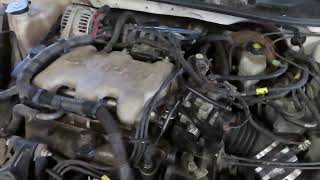
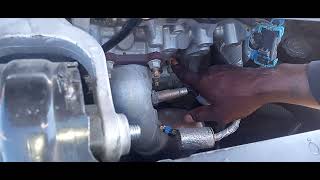
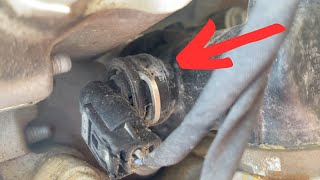
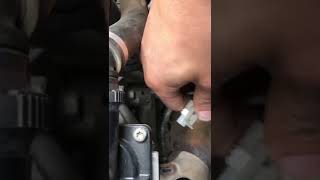
The ECT sensor is typically located on the cylinder head or thermostat housing. For the 2.5L engine, it's on the right side of the engine. 🎬 See how to replace the sensor on a 2.5L engine. For the 3.6L V6, it is located near the thermostat housing, and can be accessed with a 19mm deep socket or wrench. 🎬 Follow this guide for replacing the sensor on 3.6L models. You will need to remove the plastic engine cover to see it.
Can I replace the ECT sensor myself?
Yes, this is a very DIY-friendly job for most home mechanics. The difficulty is low, and it typically takes less than an hour. You'll need basic hand tools like a 19mm wrench or deep socket. Be prepared for a small amount of coolant to spill when you remove the old sensor; working quickly or partially draining the coolant can minimize the mess.
My Check Engine Light is on for code P0128. Is that the sensor?
Not always. Code P0128 means the engine coolant temperature is below the thermostat's regulating temperature. While a bad sensor can cause this, it's more often caused by a faulty thermostat that is stuck open. However, GM also issued a service bulletin (20-NA-167) for some vehicles indicating that a software glitch could cause a false P0128 code, which requires an ECM update at a dealership to fix. If you have this code, it's wise to check the thermostat as well.
Are there any recalls for this part?
As of late 2023, there are no specific recalls issued by the NHTSA for the Engine Coolant Temperature Sensor on the 2014-2020 Chevrolet Impala. However, there is a technical service bulletin (PIC6460) related to issues caused by the sensor leaking.
Helpful Videos
Technical Specifications
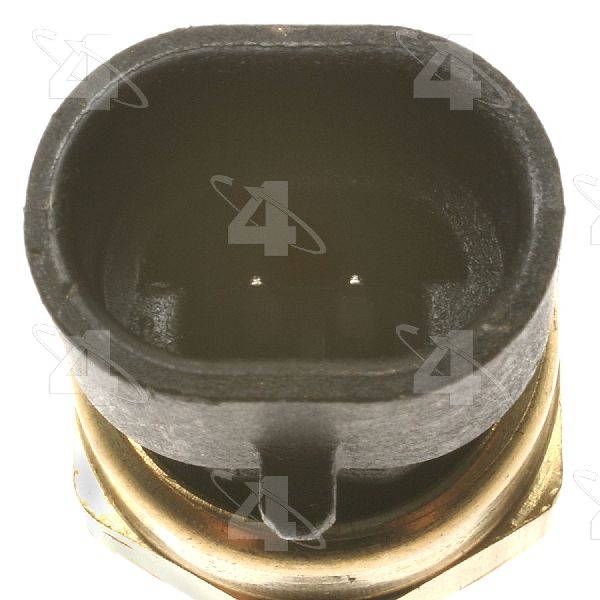
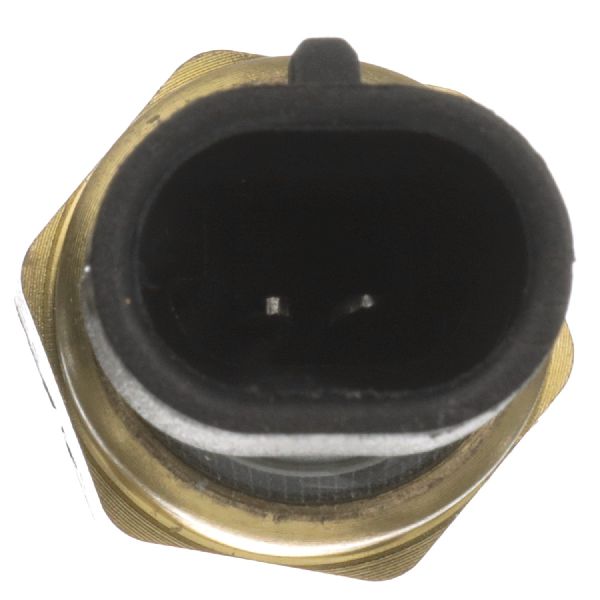
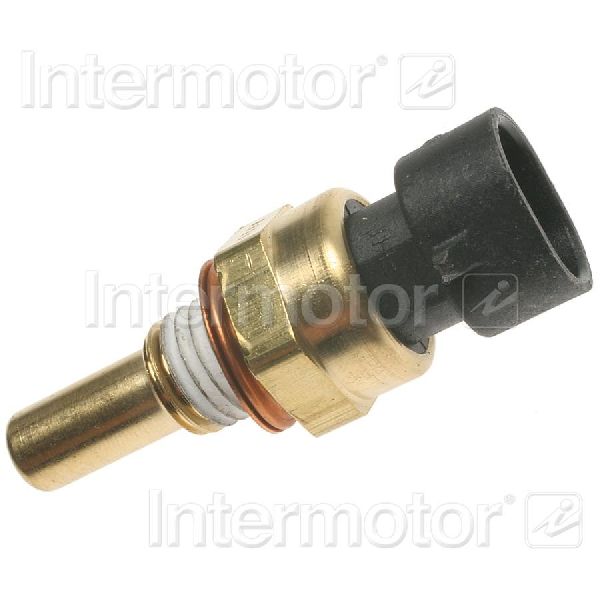
OEM Part Numbers: 12608814 213-4333 15326388 12650595
Typically uses a 3/8" NPT thread and requires a 19mm deep socket or wrench for removal and installation.
We Have This Part in Stock


The information in this article is provided for general reference and educational purposes only. Vehicle specifications, procedures, and part compatibility can vary by production date, trim level, and region. Always consult your vehicle's factory service manual and verify part numbers before purchasing or performing repairs. Safety-critical components such as airbags, seat belts, and braking systems should be installed by a qualified professional.
- Chevrolet Impala: