

Chevrolet Impala Ignition Knock Sensor Guide (2014-2020)
Address poor performance and bad fuel economy by understanding the knock sensor in your 2014-2020 Impala.
- The 3.6L V6 has two externally-mounted sensors; the 2.5L I4 has one.
- Replacement is an easy DIY job; the sensors are not under the intake manifold.
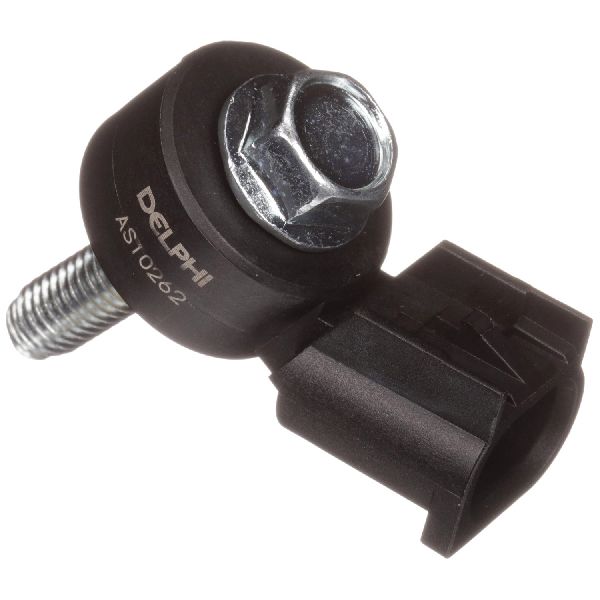
- Stick to trusted brands like ACDelco, Delphi, or NGK for this critical sensor.
- A bad sensor forces the engine into a safe mode, hurting both power and gas mileage.
Is a Faulty Knock Sensor Causing Your Impala Problems?

A failing knock sensor can be the source of frustrating engine issues. Because the engine's computer relies on this sensor for critical ignition timing data, a bad signal can make your car run poorly. If the sensor fails, the computer will typically switch to a 'safe' mode with retarded timing to prevent any possibility of engine damage, which results in reduced power and worse gas mileage.
Symptoms of Failure
- Check Engine Light: The most common sign is a check engine light with codes like P0325, P0327, or P0332. 🎬 Watch this walkthrough on fixing the P0325 circuit code.
- Reduced Acceleration: Your Impala may feel sluggish or slow to respond when you press the gas pedal.
- Poor Fuel Economy: The engine runs less efficiently, causing you to use more gas.
- Engine Pinging or Knocking: In some cases, you might hear a metallic pinging sound, especially during acceleration. This indicates the sensor is not working and the engine is detonating.
A Note on Engine Differences
A common mistake is ordering the wrong number of parts. Your 2014-2020 Impala with the 3.6L V6 engine has two knock sensors, one for each bank of cylinders. The 2.5L 4-cylinder engine has only one knock sensor. Always verify your engine type before purchasing.
Choosing the Right Aftermarket Knock Sensor

For a critical sensor like this, part quality matters. While the part itself isn't expensive, choosing a low-quality brand can lead to incorrect readings, persistent check engine lights, or premature failure. Based on owner feedback and brand reputation for GM vehicles, here is a breakdown of your options:
- Premium OEM-Grade (Recommended): Brands like ACDelco (the original GM part) and Delphi are top choices. Delphi was an original equipment supplier to GM, and their sensors are widely considered to be of equal quality. NGK (sometimes branded as NTK) is another top-tier manufacturer of sensors and is also a trusted choice.
- Quality Aftermarket: Standard Ignition (Standard Motor Products) is a well-respected aftermarket brand that offers a reliable alternative to OEM parts.
- Value Brands: Brands like Walker Products, Holstein, and Global Parts are budget-friendly options. While they may perform adequately, for a sensor that directly impacts engine timing and protection, investing in a premium or quality aftermarket brand is a safer bet for long-term reliability.
Pro Tip: Sometimes the sensor's wiring harness is the problem, not the sensor itself. Corrosion or damage to the connector can cause the same symptoms and error codes. Inspect the wiring and connector carefully during replacement.
🎬 See how to properly diagnose sensor and wiring circuit issues.Cost to Replace a 2014-2020 Impala Knock Sensor

Fortunately, on both the 2.5L and 3.6L engines in this Impala generation, the knock sensors are located on the exterior of the engine block and are relatively easy to access. This makes the replacement much cheaper than on other V6 engines where the sensors are buried under the intake manifold.
| Part/Service | Estimated Cost |
|---|---|
| New Aftermarket Sensor | $27 - $67 |
| New OEM (ACDelco) Sensor | $50 - $90 |
| Shop Labor | $120 - $225 |
| Total Estimated Cost (Shop) | $147 - $315 (per sensor) |
Frequently Asked Questions

How many knock sensors does my 2015 Impala have?
If you have the 3.6L V6 engine, you have two knock sensors. If you have the 2.5L 4-cylinder engine, you have one.
Is it hard to replace the knock sensor on a 2014-2020 Impala?
No, it is a relatively simple job for a DIYer with basic tools. On the 3.6L V6, the sensors are located on the side of the engine block, with one near the starter. They are not located under the intake manifold, which makes the job much easier than on many other V6 engines. The 2.5L 4-cylinder sensor is also in an accessible location.
Are there any recalls for the knock sensor on this Impala?
No, as of late 2024, there are no specific recalls or widespread Technical Service Bulletins (TSBs) from GM for knock sensor failure on the 2014-2020 Chevrolet Impala.
What does code P0327 mean on my Chevy Impala?
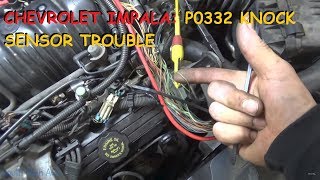
Code P0327 indicates "Knock Sensor 1 Circuit Low Input." This means the computer is seeing a voltage from the sensor that is lower than expected, which usually points to a failed sensor or a problem with the wiring/connector for the front cylinder bank (or the only sensor on a 4-cylinder).
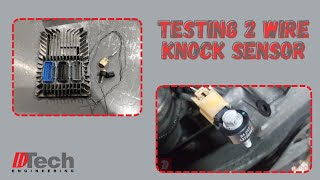
🎬 Watch a technician troubleshoot a P0332 low voltage code.Helpful Videos

Technical Specifications
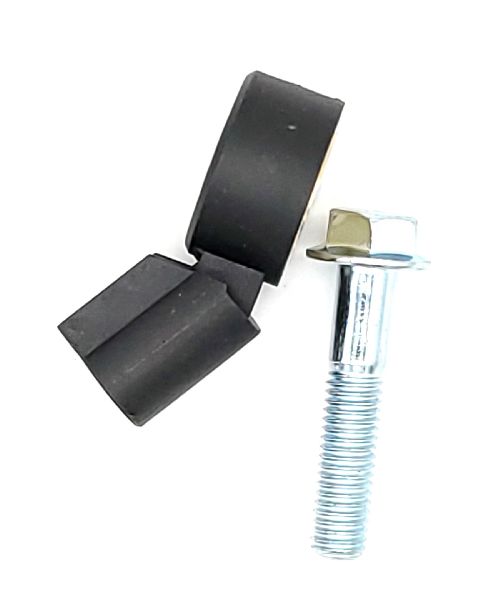
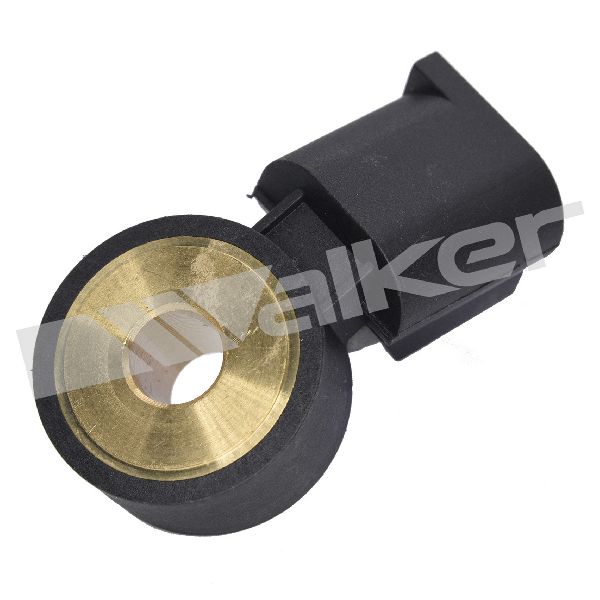
OEM Part Numbers: 12623095 12642524
The 2014-2020 Impala uses two-wire piezoelectric knock sensors. The 3.6L V6 (LFX) engine requires two sensors, while the 2.5L 4-Cylinder (LKW) engine requires one. The sensors are located on the exterior of the engine block for direct access.
We Have This Part in Stock


The information in this article is provided for general reference and educational purposes only. Vehicle specifications, procedures, and part compatibility can vary by production date, trim level, and region. Always consult your vehicle's factory service manual and verify part numbers before purchasing or performing repairs. Safety-critical components such as airbags, seat belts, and braking systems should be installed by a qualified professional.
- Chevrolet Impala: