

Chevrolet Impala Oxygen Sensor Guide for 2014-2020 Models
Everything you need to know about replacing the oxygen sensors on your 2014-2020 Chevrolet Impala.
- A bad oxygen sensor will turn on your Check Engine Light and hurt your gas mileage.
- Ignoring a bad sensor can lead to costly damage to your catalytic converter.
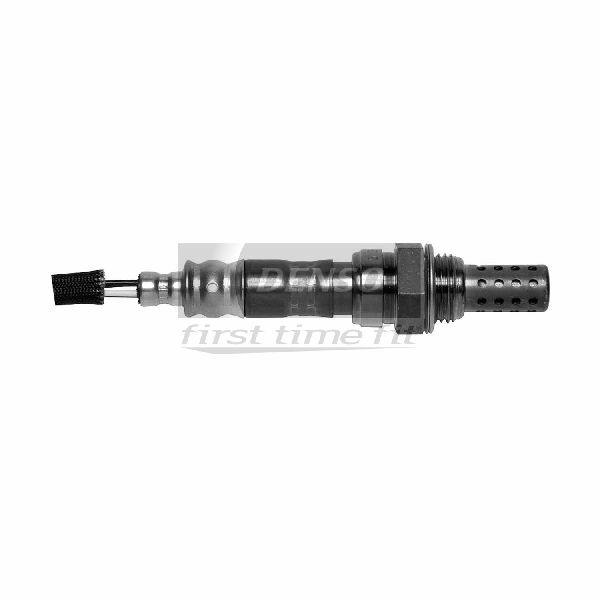
- For best results, choose a direct-fit sensor from an OE-supplier brand like Denso, Delphi, or NGK.
- Your Impala has two sensors if it's a 4-cylinder and four sensors if it's a V6.
Understanding Your Impala's Oxygen Sensors

A failing oxygen sensor can cause real problems for your 2014-2020 Chevrolet Impala. It can hurt your gas mileage, make the engine run rough, and even damage expensive parts like the catalytic converter over time. This article will help you understand the symptoms of a bad sensor, choose the right aftermarket replacement, and know what to expect during the replacement process.
Your Impala has one of two engine options, which determines how many oxygen sensors you have:
- 2.5L 4-Cylinder: This engine has two oxygen sensors. One upstream (Bank 1, Sensor 1) and one downstream (Bank 1, Sensor 2).
- 3.6L V6: This engine has four oxygen sensors. Two upstream sensors (Bank 1, Sensor 1 and Bank 2, Sensor 1) and two downstream sensors (Bank 1, Sensor 2 and Bank 2, Sensor 2). Bank 2 is the cylinder bank closer to the firewall.
Symptoms of a Failing Oxygen Sensor

When an oxygen sensor goes bad, your car will usually let you know. Here are the most common signs:
- Check Engine Light: This is the most common symptom. The light will come on when the computer detects a problem with the sensor's signal. Common trouble codes include P0131, P0135, P0171 (System Too Lean), and P0174.
- Poor Fuel Economy: A bad sensor can't provide the right information, often causing the engine to use more fuel than it needs.
- Rough Idle and Misfires: The engine may run rough, hesitate, or misfire because the air-fuel mixture is incorrect.
- Failed Emissions Test: A bad O2 sensor is a common reason for failing a smog check.
- Bad Smell: In some cases, you might notice a harsh, rotten-egg smell from the exhaust, which indicates the catalytic converter is not working efficiently due to the bad sensor data.
Choosing the Right Aftermarket Oxygen Sensor

Not all aftermarket brands are the same. For a critical part like an oxygen sensor, quality matters. Here’s a breakdown of the available brands, from top-tier to budget-friendly.
Tier 1: OEM and Premium Aftermarket
These brands are known to be Original Equipment (OE) suppliers for GM or have a reputation for matching or exceeding OE quality. They are the safest bet for reliability and performance.
- ACDelco: This is GM's official brand. However, it's widely known that ACDelco often sources its sensors from other manufacturers, primarily Denso. You are paying for the GM-approved part, which is often a re-boxed Denso sensor.
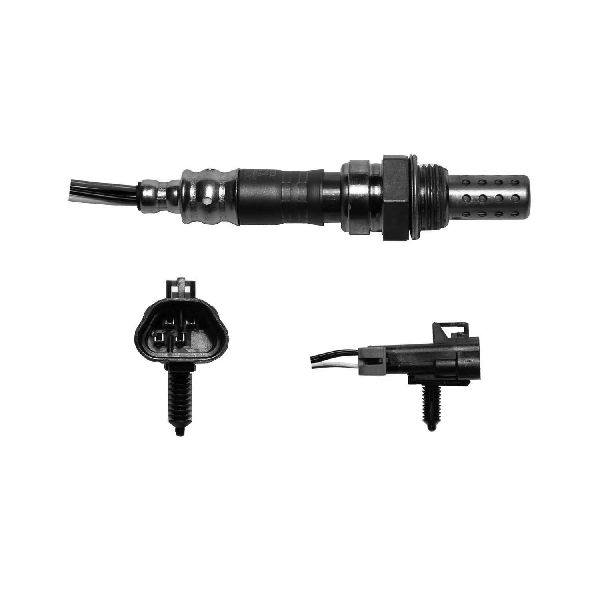
- Denso: A major OE supplier for many carmakers, including GM. Many in the GM community consider Denso the go-to replacement, as you are often buying the exact same part as the ACDelco one, but without the higher price.
- Delphi: Historically a primary parts supplier for General Motors. Delphi sensors are considered a high-quality, OE-level choice with a strong reputation.
- NGK / NTK: NTK is the sensor division of NGK. They are a world-leading OE sensor manufacturer and are known for their high quality and reliability, putting them on par with Denso.
Tier 2: Reputable Aftermarket
These brands are well-known in the aftermarket and offer a good balance of quality and price. They are a solid choice for most repairs.
- Bosch: Bosch invented the modern oxygen sensor and is a massive OE supplier worldwide. However, some GM owners in forums have reported mixed results, suggesting potential calibration differences with GM computers. While many use them without issue, sticking with Denso, Delphi, or NGK is often seen as a safer bet for GM vehicles.
Tier 3: Budget Brands
These brands focus on providing the lowest-cost option. While they can work, their longevity and the precision of their readings may not match the higher-tier brands.
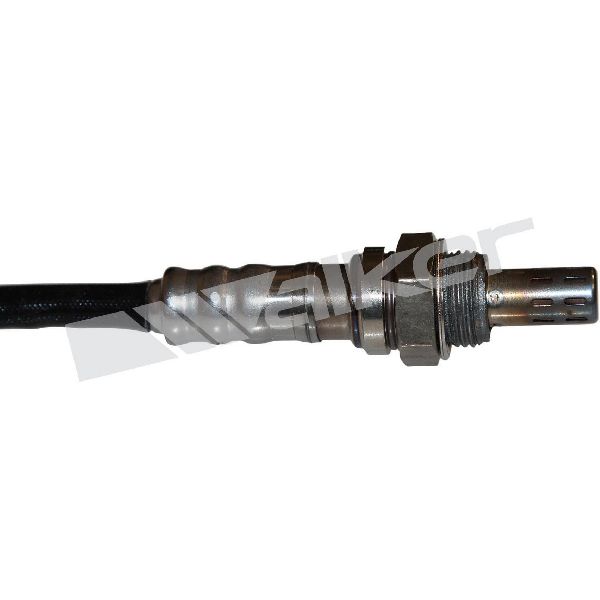
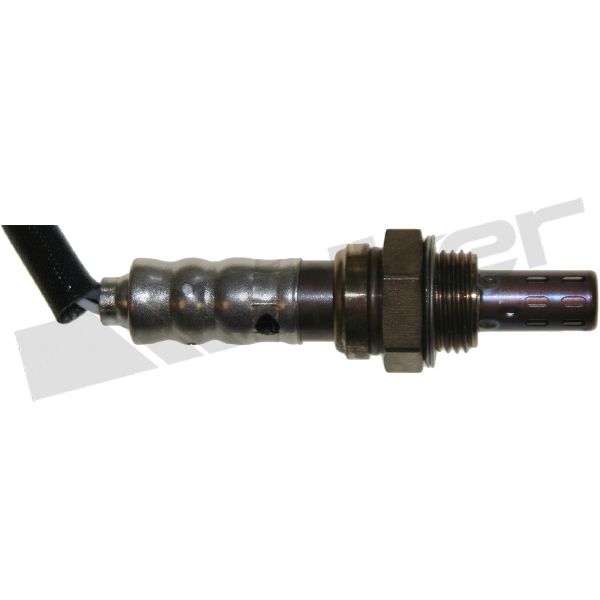
- Walker Products: A well-known exhaust and emissions parts company offering budget-friendly options.
- DriveWire: Another brand focused on affordability.
Cost to Replace an Impala Oxygen Sensor
| Part or Service | Estimated Cost |
|---|---|
| New Aftermarket Oxygen Sensor | $47 - $195 (per sensor, depending on brand and position) |
| Shop Labor | $75 - $200 (per sensor, depending on location) |
| DIY Cost (Part Only) | $47 - $195 |
| Shop Replacement (Parts + Labor) | $122 - $395 (per sensor) |
Frequently Asked Questions

How many oxygen sensors does my 2014-2020 Impala have?
If you have the 2.5L 4-cylinder engine, you have two sensors. If you have the 3.6L V6 engine, you have four sensors.
What's the difference between an upstream and downstream sensor?
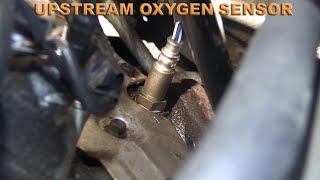
The upstream sensor (Sensor 1) is located before the catalytic converter and is crucial for controlling the engine's air-fuel mixture. The downstream sensor (Sensor 2) is after the catalytic converter and its main job is to monitor the converter's health.
Can I replace just one oxygen sensor?
Yes. You only need to replace the sensor that has failed. Your mechanic can identify the faulty sensor using a diagnostic scan tool. However, oxygen sensors wear out over time, so if your car has high mileage (over 100,000 miles), it's sometimes recommended to replace them in pairs (both upstream or both downstream on a V6) or all at once as preventative maintenance.
Is it hard to replace an Impala oxygen sensor myself?
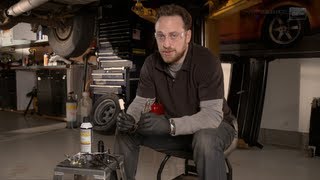
It depends on the sensor's location. Downstream sensors are usually accessible from under the car and are relatively easy to change. Upstream sensors can be much harder, especially the one on the rear cylinder bank of the V6 engine, which is tucked against the firewall. You will need a special oxygen sensor socket (22mm or 7/8 inch) and likely some penetrating fluid to loosen the old sensor.
Are there any recalls for the oxygen sensors on this Impala?
Based on searches of the NHTSA database and other public information, there are no active recalls specifically for oxygen sensor failure on the 2014-2020 Chevrolet Impala.
Helpful Videos
Technical Specifications
OEM Part Numbers: 12640453 12661898
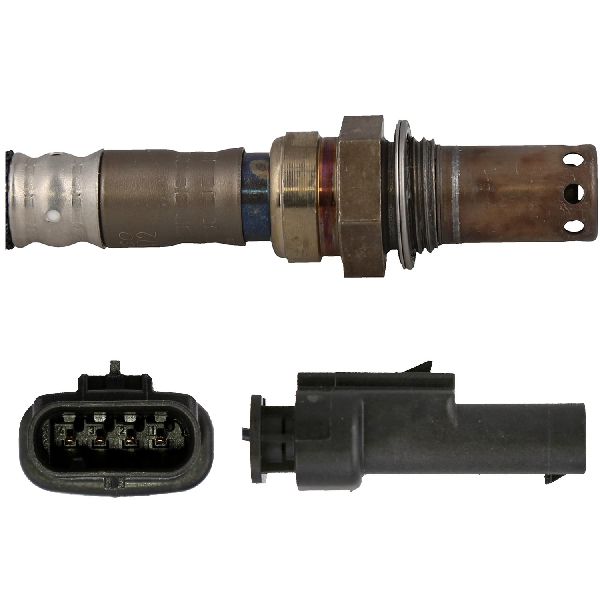
Number of Sensors: 2 (2.5L I4) or 4 (3.6L V6). Sensor Type: Heated. Wrench Size: 22mm or 7/8 inch.
We Have This Part in Stock


The information in this article is provided for general reference and educational purposes only. Vehicle specifications, procedures, and part compatibility can vary by production date, trim level, and region. Always consult your vehicle's factory service manual and verify part numbers before purchasing or performing repairs. Safety-critical components such as airbags, seat belts, and braking systems should be installed by a qualified professional.
- Chevrolet Impala:
- 🎬 Helpful Videos
- 🛍️ Shop This Part
- Understanding Your Impala's Oxygen Sensors
- Symptoms of a Failing Oxygen Sensor
- Choosing the Right Aftermarket Oxygen Sensor
- Tier 1: OEM and Premium Aftermarket
- Tier 2: Reputable Aftermarket
- Tier 3: Budget Brands
- Cost to Replace an Impala Oxygen Sensor
- Frequently Asked Questions
- 🎟️ Get 5% Off